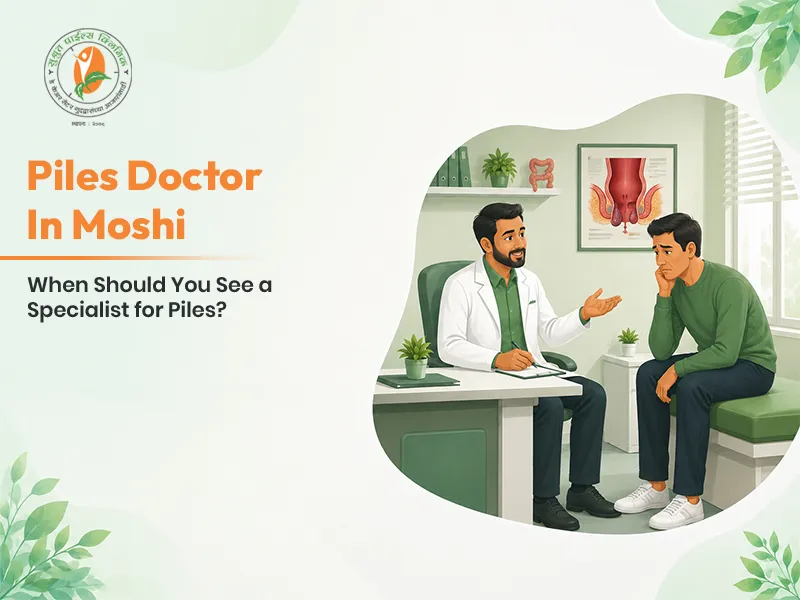


Piles are common, but that does not mean every symptom around the anus should simply be ignored.
When symptoms are mild, people often start with basic measures such as increasing fibre, drinking enough water, keeping bowel movements regular, and avoiding excessive straining. These steps can sometimes help.
The bigger concern is when the same problem keeps returning.
Repeated bleeding, ongoing discomfort, swelling, or tissue coming out during bowel movements can be signs that it is time to stop guessing and get the problem properly evaluated.
Why Recurring Symptoms Matter
Hemorrhoids can cause bright-red bleeding, itching, swelling, discomfort, or a lump around the anus. Internal hemorrhoids may also prolapse during bowel movements, while external hemorrhoids can become swollen or painful.
But hemorrhoids are not the only possible explanation.
An anal fissure, fistula, abscess, infection, or another condition can produce symptoms that look similar. Assuming that every episode of bleeding or pain is automatically piles can therefore be a mistake.
The first step should be finding out what is actually causing the symptoms.
Bleeding Should Not Always Be Assumed to Be Piles
Bright-red blood during or after a bowel movement is a common symptom of internal hemorrhoids.
However, recurring rectal bleeding deserves attention, particularly when it becomes heavier or occurs with other symptoms.
Instead of repeatedly treating the bleeding at home, a medical evaluation can help determine whether hemorrhoids are actually responsible.
What If Something Comes Out While Passing Stool?
Some people notice a lump or tissue coming out during bowel movements.
This may occur with prolapsed internal hemorrhoids. The tissue can sometimes return inside by itself, while in other cases it may need to be pushed back or remain outside.
If you are experiencing this, this detailed guide to seeing a piles doctor in Moshi explains how hemorrhoid prolapse is classified and what factors doctors consider when evaluating the condition.
The grade of a hemorrhoid is useful information, but it does not by itself determine which treatment is appropriate.
Persistent Pain Needs a Closer Look
Pain around the anus can have several possible causes.
A blood clot inside an external hemorrhoid can cause significant pain, but anal fissures, abscesses, fistulas, and other conditions can also produce persistent or severe discomfort.
A rapidly increasing lump or swelling is another reason to seek medical attention rather than assuming the problem will resolve on its own.
Does Seeing a Specialist Mean You Need Surgery?
Not necessarily.
This is an important misconception.
A piles consultation is primarily about understanding the condition and deciding what treatment, if any, is appropriate.
Depending on the diagnosis and severity, management may include dietary and lifestyle changes, constipation management, medicines, office-based procedures, minimally invasive treatments, or surgery for selected advanced cases.
The treatment should match the patient's condition. There is no single procedure that is appropriate for everyone.
Constipation and Straining Can Keep the Problem Going
Recurring piles symptoms can sometimes be linked with hard stools, constipation, and repeated straining during bowel movements.
Improving bowel habits can therefore be an important part of long-term management.
Eating enough fibre, drinking adequate fluids, keeping bowel movements regular, and avoiding unnecessary straining may help reduce irritation.
However, these measures should not be used to delay evaluation when symptoms are persistent, severe, or worsening.
When Should You Seek Prompt Medical Attention?
Some symptoms should be assessed promptly.
These include:
- Heavy or persistent rectal bleeding
- Severe or rapidly increasing anal pain
- A rapidly enlarging lump
- Fever with anal pain or swelling
- Pus or unusual discharge
- Symptoms that are becoming worse
These signs can occur with conditions other than ordinary hemorrhoids and should not simply be assumed to be piles.
What Happens During a Specialist Consultation?
A doctor will generally want to understand what you have been experiencing and how long it has been happening.
Questions may include whether you have bleeding, constipation, pain, itching, swelling, prolapse, or repeated symptoms after previous treatment.
Depending on the situation, an appropriate examination or further evaluation may be recommended.
The purpose of the consultation is to identify the likely cause and severity of the problem.
It does not automatically mean surgery.
For People Searching for a Piles Doctor in Moshi
If you are looking for a piles doctor in Moshi because your symptoms keep returning, getting a proper assessment can help you understand what is happening rather than continuing to guess.
A specialist can consider symptoms such as bleeding, prolapse, pain, swelling, constipation, and previous unsuccessful treatments before discussing appropriate management.
The important thing is to choose treatment based on the diagnosis rather than simply choosing the newest or least invasive option.
Final Takeaway
Mild hemorrhoid symptoms may sometimes improve with appropriate lifestyle and bowel-habit changes.
But recurring bleeding, persistent pain or swelling, prolapse, or symptoms that do not improve should not become something you simply learn to live with.
A specialist consultation does not automatically mean surgery. It is the first step toward understanding the cause and severity of the symptoms and deciding what treatment is appropriate.
Read the complete guide to when you should see a piles doctor in Moshi for a detailed look at warning signs, diagnosis, consultation, and treatment considerations.





























Sign in to leave a comment.