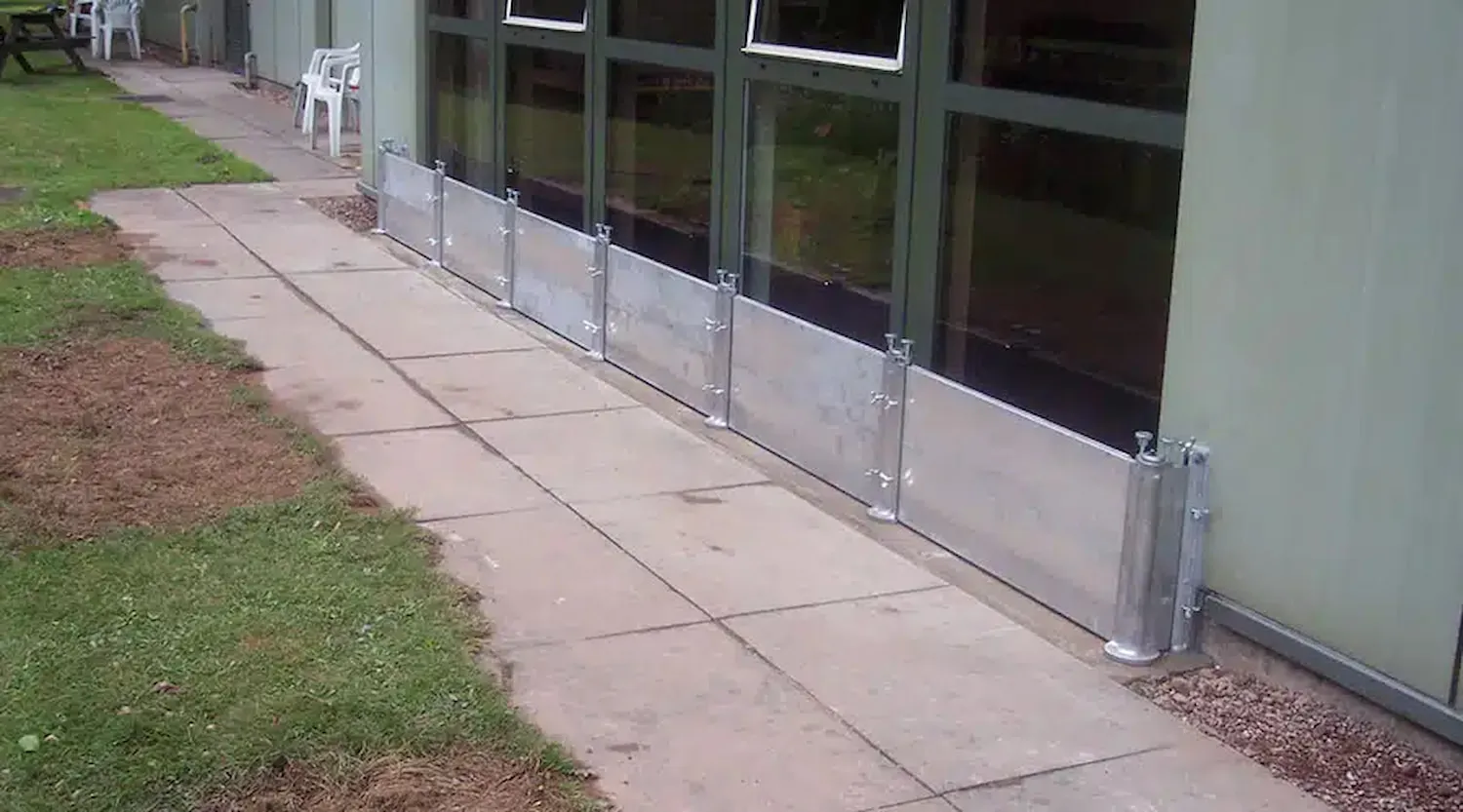

Modern properties can face increasing challenges from heavy rainfall, surface water, overflowing drainage systems, and rising water levels. Residential, commercial, and industrial buildings may contain valuable structures, equipment, documents, stock, and technology that require protection from potential water damage. Flood protection systems can provide a structured approach to reducing water entry through vulnerable areas and improving overall property preparedness. Effective planning considers the building's location, design, openings, surrounding drainage, potential flood depth, and operational requirements, helping property owners establish suitable measures before severe weather creates immediate risks.
Understanding Property Flood Risks
Effective flood protection begins with understanding how water may approach and enter a property. Flood risk can vary significantly depending on the building's elevation, nearby water sources, surface drainage, local terrain, and surrounding development. A property may be vulnerable through doors, windows, loading bays, basement entrances, ventilation points, or other low level openings. Identifying these pathways allows property owners to consider suitable protection measures. A detailed assessment can also reveal weaknesses that may not be obvious during normal dry conditions.
Assessing Vulnerable Building Openings
Building openings should receive particular attention during a flood risk assessment. Doors and other access points can create direct routes for water to enter internal areas, especially when thresholds are positioned close to external ground levels. Property owners can review the size, location, condition, and surrounding drainage of each opening. Commercial and industrial properties may have larger loading entrances that require specialised consideration. Identifying these vulnerable points early allows suitable protective measures to be planned and prepared before flooding becomes an immediate concern.
Choosing Suitable Protection Measures
Different properties require different approaches to flood protection. A residential doorway may need a different solution from a warehouse loading bay or commercial service entrance. Property owners should consider the expected water depth, duration of exposure, opening dimensions, frequency of access, and installation requirements when evaluating available options. The objective is to select measures that fit the property's specific risks rather than applying a generic solution. Proper planning can improve the practical value of flood protection while allowing normal building access to continue when conditions are safe.
Considering Expected Water Levels
Expected flood depth is an important consideration when planning physical protection. A barrier designed for limited water exposure may not be suitable where significantly higher levels are possible. Property owners should use available flood information and site assessments to understand potential water levels around vulnerable areas. The duration of exposure should also be considered because prolonged contact with water can place additional demands on protective systems. Understanding these factors helps ensure that selected measures are appropriate for the property's anticipated flood conditions.
Protecting Residential Properties
Homes can contain important possessions, electrical systems, furniture, documents, and personal belongings that may be difficult or expensive to replace after flooding. Residential flood preparedness can focus on protecting entrances, garages, utility areas, and other low level openings. Property owners can also move valuable items away from floors and store important documents securely. Physical protection can provide an additional layer of defence when combined with sensible household preparation. Regular inspections can ensure that protective measures remain accessible and suitable as property conditions change.
Protecting Doors and Garages
External doors and garage entrances may provide direct pathways for floodwater to enter residential buildings. These areas can be assessed for threshold height, surrounding drainage, and the direction in which surface water may flow. Suitable barriers can help restrict water entry where appropriate. Garage contents, electrical equipment, tools, and stored belongings should also be considered when planning protection. Keeping protective equipment accessible and ensuring residents understand how it should be deployed can improve preparedness when severe rainfall or flood warnings occur.
Protecting Commercial Properties
Commercial properties often require broader flood planning because they may contain employees, customers, machinery, stock, technology, and operational infrastructure. Flooding can interrupt normal activities even when structural damage is limited. Businesses can identify critical areas and establish priority protection for entrances, storage rooms, electrical spaces, server rooms, and production facilities. Physical measures can be combined with emergency procedures, asset protection, drainage maintenance, and business continuity planning. This layered approach can help organisations prepare for potential disruption while supporting safer and more organised responses.
Protecting Critical Operational Areas
Certain areas may be particularly important to continued business operations. Server rooms, workshops, production areas, warehouses, and electrical rooms may contain equipment that is expensive or difficult to replace. Property managers can assess these locations and determine whether additional flood protection is necessary. Important equipment can also be raised or relocated where practical. Combining physical protection with sensible asset positioning can reduce potential water exposure and support faster recovery if flooding affects other parts of the property.
Protecting Industrial and Large Properties
Industrial properties may present complex flood protection requirements because of their size, layout, machinery, storage areas, and multiple access points. Large entrances, loading bays, vehicle access routes, and external storage areas can create additional vulnerabilities. A comprehensive assessment can identify how water may move across the site and where protection should be prioritised. Industrial properties may require several complementary measures rather than relying on a single barrier. Planning should account for operational access so protective measures do not unnecessarily interfere with normal activities.
Managing Loading and Service Areas
Loading bays and service entrances can be difficult areas to protect because they are often wide and frequently used. Their thresholds may also be lower than surrounding internal floors, increasing potential exposure. Businesses can assess these areas for drainage problems and consider suitable protective arrangements. Equipment should be stored where it can be accessed quickly, while responsible employees should understand deployment procedures. Maintaining clear access around loading areas can also help staff install protection without unnecessary delays when severe weather creates increased flood risk.
Combining Physical Protection With Drainage
Physical flood protection works best when combined with effective site drainage management. Blocked drains, damaged channels, overflowing gutters, and poorly maintained external surfaces can increase water accumulation around buildings. Property owners should regularly inspect drainage features and clear obstructions where appropriate. External ground levels should also be reviewed to understand whether water naturally flows toward vulnerable openings. Combining drainage management with barriers and other protective measures can create several layers of defence, helping reduce the pressure placed on individual protection points.
Managing Surface Water
Surface water can develop quickly during intense rainfall, particularly when drainage systems become overwhelmed. Property owners can identify areas where water tends to collect and assess whether changes to drainage or surface management are required. External storage should not obstruct established water routes, while gutters and drainage channels should remain clear. These measures can complement physical barriers by helping control the volume and direction of water around the building. Regular inspections before periods of heavy rainfall can identify problems before they contribute to increased flood exposure.
Protecting Valuable Assets
Floodwater can damage furniture, machinery, stock, electrical equipment, documents, and digital infrastructure. Property owners should identify assets that are particularly valuable, difficult to replace, or essential to daily activities. Where practical, vulnerable items can be raised above potential flood levels or relocated to safer areas. Important records should also be backed up and stored securely. Physical flood protection can complement these measures by helping prevent water from reaching internal areas. A combination of asset management and physical protection can strengthen overall property preparedness.
Safeguarding Electrical Equipment
Electrical equipment can present significant safety concerns when exposed to floodwater. Electrical rooms, distribution boards, generators, and communication systems should be assessed for their position relative to vulnerable openings. Property owners should establish clear procedures for safely managing affected electrical systems and ensure employees do not enter dangerous areas without appropriate professional guidance. Physical protection around potential entry points can help reduce water exposure. Regular inspection of electrical infrastructure and surrounding areas can also help identify vulnerabilities before severe weather develops.
Planning for Emergency Deployment
Flood protection measures need to be ready before water reaches vulnerable areas. Property owners should establish clear procedures for checking weather information, inspecting equipment, protecting assets, and deploying barriers. Equipment should be stored in an accessible location and responsible personnel should know where it is kept. Businesses and larger properties may benefit from assigning specific responsibilities to trained employees. Preparing in advance allows protective actions to be completed more safely and efficiently, reducing the pressure associated with installing equipment during rapidly changing flood conditions.
Establishing Clear Responsibilities
A flood response plan should identify who is responsible for key actions before an emergency occurs. Responsibilities may include monitoring warnings, inspecting barriers, clearing drainage routes, moving vulnerable assets, and communicating with employees or residents. Alternative personnel should also be identified in case primary contacts are unavailable. Clear responsibilities can reduce confusion during an emergency and help ensure that important tasks are completed in the correct order. Plans should be reviewed periodically to account for changes in staffing, building layouts, and operational requirements.
Maintaining Flood Protection Equipment
Regular maintenance helps ensure that flood protection remains ready when required. Barriers, seals, fixings, storage cases, and other components should be inspected for damage, deterioration, or missing parts. Maintenance should follow the manufacturer's recommendations and should be documented where appropriate. Equipment that is damaged or unsuitable should be repaired or replaced before the next period of increased flood risk. Routine checks can prevent businesses and property owners from discovering equipment problems only when an emergency is already developing.
Storing Equipment Correctly
Protective equipment should be stored in a clean, accessible, and suitable location. If barriers are difficult to locate or retrieve, deployment may be delayed when rapid action is required. Storage arrangements should also protect equipment from unnecessary deterioration. Instructions and essential components should remain together where practical. Responsible personnel should know exactly where the equipment is stored and how it should be accessed. Periodic checks can confirm that all required components remain available and that storage arrangements continue to suit the property's needs.
Supporting Employee and Occupant Safety
Flood protection planning should always consider the safety of people using the property. Floodwater can create slippery surfaces, contaminated conditions, electrical hazards, damaged structures, and blocked access routes. Employees, residents, and visitors should have clear instructions about where they can safely move during severe weather. Physical protection should only be deployed when conditions allow safe installation. Emergency plans should identify evacuation routes and safe areas where necessary. Protecting people should remain the priority while property protection measures are being implemented.
Improving Emergency Awareness
People are more likely to respond effectively when they understand what to do before flooding occurs. Businesses and property managers can provide clear guidance about warning systems, evacuation procedures, protective equipment, and emergency contacts. Regular training can help employees become familiar with their responsibilities and reduce uncertainty. New staff or occupants should also receive relevant information when they join a property. Maintaining awareness ensures that flood preparedness remains part of everyday risk management rather than becoming an unfamiliar procedure during an emergency.
Reviewing Flood Protection Plans
Flood risk can change over time due to building alterations, nearby development, drainage changes, climate conditions, and modifications to property use. For this reason, flood protection plans should be reviewed periodically. Property owners can reassess vulnerable areas, equipment suitability, emergency procedures, and asset locations. Lessons from previous flooding or severe rainfall can also provide useful information. Regular reviews help ensure that protective arrangements continue to match the actual characteristics of the property and can identify areas where additional measures may be appropriate.
Learning From Previous Flooding
Previous flood events can reveal important information about how water behaves around a property. Property owners can document where water collected, which entrances were affected, how quickly conditions developed, and which protective actions were successful. This information can support future planning and help identify weaknesses. Even properties without previous flood damage can use local flood information and site assessments to understand potential exposure. Learning from available evidence allows protection plans to become more specific and responsive to the property's actual circumstances.
Supporting Long Term Property Resilience
Flood preparedness should be treated as an ongoing process rather than a one time installation. Effective planning involves regular inspections, equipment maintenance, drainage management, staff training, asset protection, and updates to emergency procedures. Property owners should consider how changes to building use or surrounding conditions could affect flood exposure. A layered approach can provide broader protection than relying on a single measure. Over time, continuous review and improvement can help modern properties remain better prepared for changing flood risks and potential water related disruption.
Updating Protection After Building Changes
Extensions, renovations, new entrances, landscaping changes, and alterations to drainage can all affect how water moves around a property. Any significant building change should therefore prompt a review of existing flood protection arrangements. New openings may require additional barriers, while changes to ground levels could alter water flow. Businesses should also review protection when operational areas change. Keeping flood planning aligned with the current property layout ensures that vulnerable points are not overlooked as buildings evolve.
Conclusion
Modern properties can face a range of flood risks that require careful preparation and ongoing management. Effective flood protection systems can help restrict water entry, safeguard valuable assets, support occupant safety, and reduce potential disruption when combined with suitable drainage, emergency planning, and maintenance. Property owners should regularly assess vulnerable areas and ensure that protective equipment remains accessible and suitable for current conditions. Flood Technologies Ltd supports practical flood protection approaches designed to help property owners prepare vulnerable areas and strengthen long term resilience. Regular reviews and layered protection can help modern buildings remain better prepared for potential flooding.

























Sign in to leave a comment.