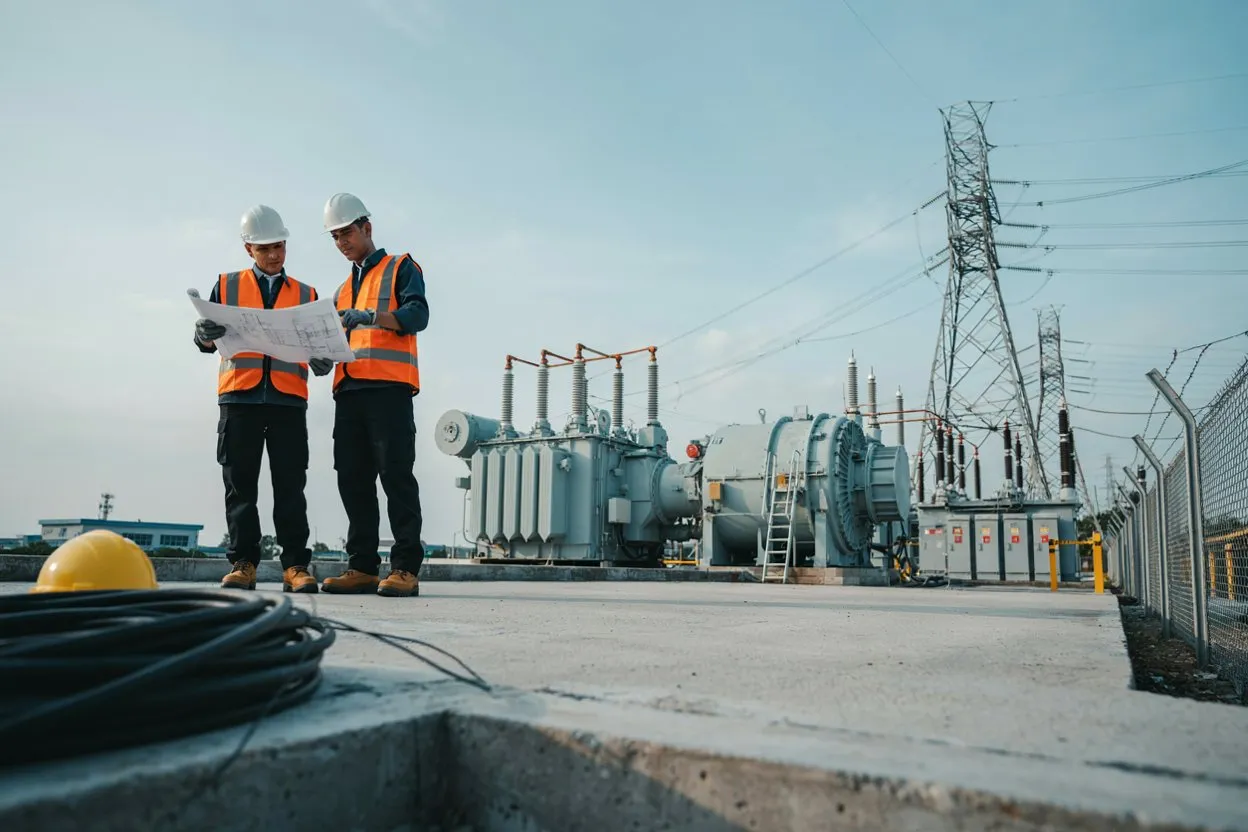

Developing a new power generation facility involves much more than selecting generating equipment and connecting it to the electrical grid. Every project requires careful planning across electrical, mechanical, civil, protection, control, environmental, and operational disciplines. Decisions made during the early engineering stages can significantly influence project cost, reliability, safety, efficiency, and long-term performance.
A well-engineered facility should be designed around its generation technology, operating requirements, grid connection, site conditions, applicable standards, and future expansion needs. For developers and project owners, a coordinated engineering approach helps identify technical challenges before construction begins and supports a more predictable project lifecycle.
1. Start With Clear Generation and Site Requirements
The first step in developing a power generation facility is establishing clear technical and operational requirements. Engineers need to understand the expected generation capacity, operating profile, technology type, fuel source, voltage levels, and anticipated connection to the transmission or distribution network.
Site selection is equally important. Available land, terrain, soil conditions, access roads, water availability, environmental constraints, and proximity to transmission infrastructure can all affect facility design.
For renewable facilities, factors such as solar resource, wind conditions, battery requirements, and land availability may influence equipment configuration. Conventional generation projects may require additional considerations related to fuel transportation, cooling systems, emissions control, and auxiliary systems.
Early feasibility studies can help compare potential configurations and identify site-specific constraints before detailed engineering begins.
2. Develop a Coordinated Electrical Design
Electrical engineering is at the center of every generation project. The electrical system must safely transfer generated power from the generators to the facility’s high-voltage connection while maintaining acceptable voltage, frequency, protection, and power quality.
A comprehensive power generation engineering approach typically considers generator and transformer selection, medium- and high-voltage equipment, switchgear, bus configurations, auxiliary power systems, grounding, cable systems, and interconnection facilities.
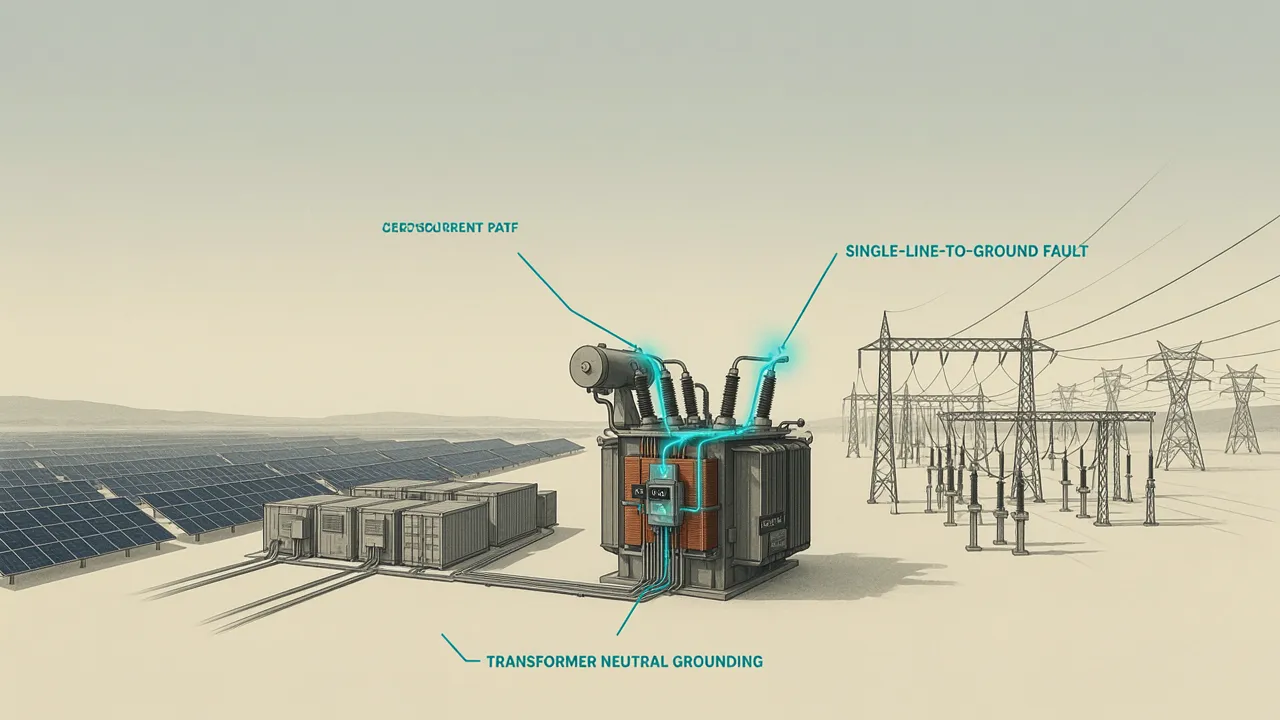
Engineers also perform studies such as load flow analysis, short-circuit analysis, grounding studies, protection coordination, and arc-flash assessments where applicable. These studies provide the technical basis for selecting equipment ratings and protection settings.
The electrical design should also account for normal operation, startup conditions, outages, equipment failures, and other abnormal operating scenarios. Designing only for steady-state conditions can leave important reliability issues undiscovered.
3. Plan Equipment and Facility Layout Carefully
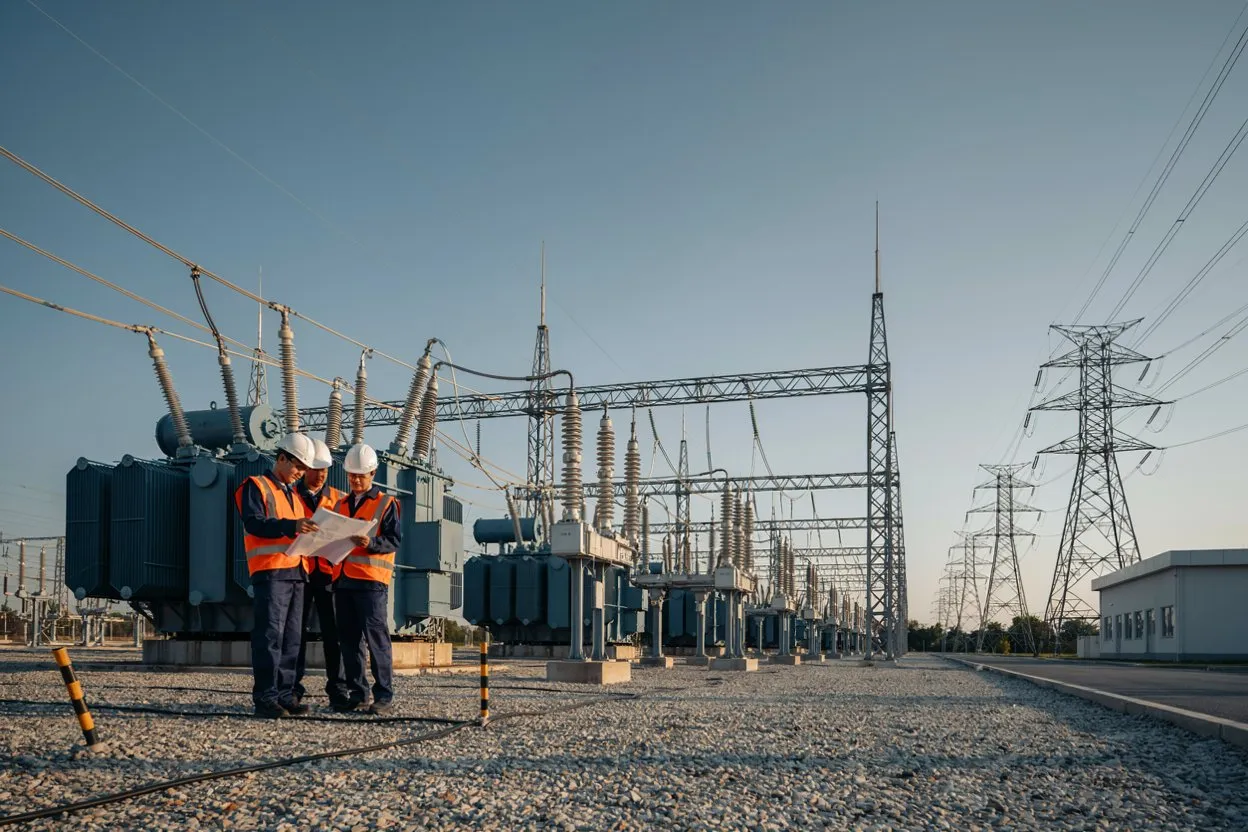
Equipment selection and physical layout have a direct impact on constructability, maintenance, safety, and operational reliability. Generators, transformers, switchgear, control systems, cooling equipment, auxiliary systems, and protection equipment need to be positioned according to electrical clearances, accessibility, environmental conditions, and maintenance requirements.
Effective electrical plant planning considers both current requirements and the possibility of future modifications. For example, sufficient space for additional transformers, switchgear bays, generation units, or energy storage systems can make future expansion considerably easier.
Engineers should also evaluate equipment transportation and installation requirements during the design stage. Large transformers and generators may require specialized transportation routes, lifting equipment, reinforced foundations, and carefully planned access areas.
A practical layout balances electrical performance with civil, mechanical, safety, and maintenance requirements rather than treating each discipline independently.
4. Address Grid Interconnection and System Performance
A generation facility does not operate independently from the wider power system. Its connection to the grid must satisfy applicable utility and transmission requirements, interconnection agreements, and technical standards.
Grid studies help determine how the proposed facility will behave under different operating conditions. Depending on the project, engineers may evaluate load flow, short-circuit levels, transient stability, voltage stability, dynamic performance, harmonics, and other power-system characteristics.
Generator models and control-system representations may also be required for interconnection studies and compliance processes. Accurate models are particularly important when evaluating facilities that include inverter-based resources, battery energy storage, wind generation, or solar generation.
Good power facility engineering therefore extends beyond the physical plant. It considers how the facility interacts with neighboring transmission assets and the broader electrical network.
5. Integrate Protection, Controls, Safety, and Compliance
Protection and control systems are essential for detecting faults, isolating damaged equipment, and maintaining safe and reliable operation. Protective relays, circuit breakers, instrument transformers, communication systems, and control equipment should be coordinated as part of an integrated protection philosophy.
Modern facilities may also incorporate SCADA, automation, digital relays, remote monitoring, and advanced control systems. These technologies can improve operational visibility while providing engineers and operators with valuable system information.
Safety should be incorporated from the beginning rather than added after the main design is complete. Grounding, electrical clearances, equipment access, fire protection, emergency systems, arc-flash hazards, and safe maintenance procedures should all be considered during engineering.
Projects must also address applicable industry standards, utility requirements, environmental regulations, and grid compliance obligations. Identifying these requirements early can reduce redesign and approval delays later in the project.
6. Design for Reliability, Maintainability, and Future Growth
A power generation facility may operate for decades, making long-term reliability an important design objective. Engineers should consider equipment redundancy, spare capacity, maintenance access, replacement strategies, environmental exposure, and expected operating cycles.
Reliability studies can help identify critical components and potential single points of failure. Where appropriate, redundant systems can be incorporated for essential controls, auxiliary power, protection, communications, and other critical functions.
Maintainability is another important consideration. Equipment should be accessible for inspection, testing, repair, and replacement without creating unnecessary operational risks. Clear labeling, practical cable routing, adequate working space, and well-organized control systems can make a significant difference during the facility’s operational life.
Future expansion should also be considered where there is a reasonable possibility of increased generation capacity, additional energy storage, or changes to the grid connection.
Conclusion
Designing a new power generation facility requires coordinated engineering across multiple disciplines. From initial site evaluation and electrical system studies to equipment selection, grid interconnection, protection, safety, and long-term maintenance, every design decision contributes to the facility’s overall performance.
A structured engineering process allows project developers to identify technical risks early, optimize equipment and layouts, support regulatory requirements, and create infrastructure capable of reliable long-term operation. By combining detailed technical studies with practical project planning, modern generation facilities can be developed with greater confidence, flexibility, and operational resilience.





















Sign in to leave a comment.