

Maintaining a comfortable home throughout the year requires more than adjusting the thermostat whenever outdoor temperatures change. Heating and cooling equipment needs regular attention to perform reliably during both winter and summer. Homeowners who plan ahead can address maintenance needs, identify developing concerns, and prepare their systems before seasonal demand becomes intense. Professional heating and cooling services can support this approach by helping households maintain dependable equipment and consistent indoor conditions. A year round comfort strategy also gives homeowners greater awareness of system performance, potential repairs, energy use, and future equipment needs before problems become disruptive.
Understanding Seasonal Heating Needs
Winter places substantial demands on residential heating equipment because systems may operate for extended periods each day. Before colder weather arrives, homeowners can benefit from having heating equipment inspected and serviced by a qualified professional. This can provide an opportunity to identify worn components, restricted airflow, thermostat concerns, or other issues that could affect performance. Preparing early can also make it easier to schedule necessary repairs before service demand increases. A well planned heating routine helps households approach colder months with greater confidence and reduces reliance on last minute solutions when temperatures fall.
Preparing for Summer Cooling
Cooling systems require similar preparation before summer temperatures create heavy demand. Air conditioning equipment that has been inactive for several months may develop issues that are not immediately obvious until the system is needed regularly. Professional inspection can help identify concerns involving filters, electrical components, airflow, refrigerant related issues, and other system functions. Addressing appropriate maintenance needs before extreme heat arrives can support more dependable operation. Homeowners who schedule cooling service early may also have more flexibility when selecting appointment times, rather than waiting until widespread summer demand creates longer service schedules.
Maintaining Consistent Indoor Comfort
Consistent indoor temperatures are an important part of year round comfort. A heating or cooling system that cycles irregularly, produces uneven temperatures, or struggles to reach the thermostat setting may require professional evaluation. Several factors can contribute to inconsistent comfort, including equipment condition, airflow restrictions, ductwork concerns, insulation, or thermostat performance. Professional assessment can help determine where the problem originates. Instead of repeatedly changing thermostat settings to compensate, homeowners can address underlying concerns and create a more stable indoor environment that remains comfortable across changing outdoor conditions.
Improving System Efficiency
Heating and cooling equipment can use significant energy when operating for long periods. Poor maintenance, restricted airflow, dirty components, or mechanical problems may cause equipment to work harder than necessary. Professional service can help identify conditions that may interfere with efficient operation and determine whether cleaning, adjustments, repairs, or other attention is appropriate. Better maintained equipment is generally better positioned to perform as intended. Homeowners should not expect maintenance alone to guarantee specific energy savings, but keeping systems in suitable condition can support responsible energy use and more predictable household operation.
Scheduling Preventive Maintenance
Preventive maintenance is easier to manage when it becomes part of a regular yearly routine. Homeowners can schedule heating service before winter and cooling service before summer, allowing each system to receive attention before its busiest operating period. Regular inspections can help technicians identify developing concerns and provide recommendations based on equipment condition. A consistent maintenance schedule also helps homeowners remember important service needs instead of relying on memory. Planning maintenance around seasonal transitions creates a practical structure for keeping both heating and cooling equipment ready throughout the entire year.
Identifying Problems Early
Small changes in system behavior can sometimes provide an early indication that professional attention is needed. Unusual noises, strange odors, weak airflow, frequent cycling, delayed startup, or inconsistent temperatures should not automatically be ignored. While some changes may have simple explanations, persistent symptoms can indicate a developing issue. Professional evaluation allows homeowners to understand whether a concern requires repair or further monitoring. Addressing problems earlier may help prevent them from becoming more complicated, expensive, or disruptive. Early attention is therefore an important part of maintaining dependable year round comfort.
Protecting Equipment Performance
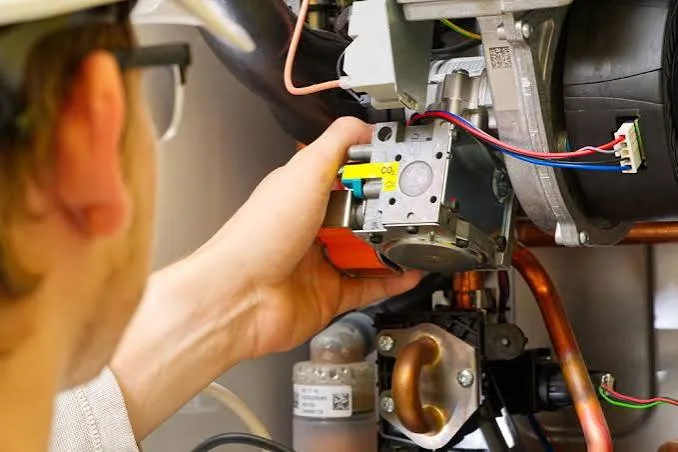
Heating and cooling systems contain numerous components that must work together for reliable performance. Regular service provides an opportunity to inspect these components and address conditions that could affect operation. Electrical connections, moving parts, filters, controls, and airflow related components may all influence system performance depending on the equipment type. Certain manufacturers, including Trane, provide specific recommendations for equipment care and maintenance. Following appropriate service practices can help homeowners protect their investment and maintain equipment performance. Proper care cannot eliminate normal wear, but it can support more dependable operation over time.
Supporting Better Airflow
Airflow plays a major role in how effectively conditioned air moves throughout a home. Restricted filters, blocked vents, ductwork concerns, or equipment problems can contribute to uneven temperatures and reduced comfort. Professional technicians can evaluate relevant components when airflow problems occur and determine whether corrective action is needed. Homeowners may notice that certain rooms remain warmer or cooler than others when airflow is not properly balanced. Addressing the underlying cause can help the system distribute conditioned air more effectively and may also reduce unnecessary strain on heating and cooling equipment.
Maintaining Thermostat Performance
The thermostat acts as an important control point for residential heating and cooling systems. If it is inaccurate, improperly configured, or experiencing a technical problem, the equipment may not operate according to household needs. Homeowners can ask professionals to evaluate thermostat operation during routine service, especially when indoor temperatures do not match expectations. Understanding appropriate settings can also help households avoid unnecessary adjustments. Whether a home uses a traditional thermostat or a modern programmable model, proper operation supports better control over indoor temperatures and helps coordinate heating and cooling equipment throughout changing seasons.
Planning Around Equipment Age
The age and condition of heating and cooling equipment can influence year round planning. Older systems may require more frequent repairs or become less practical to operate as components wear over time. Professional inspections can provide homeowners with information about equipment condition and potential future needs. If replacement appears likely, advance planning allows households to research suitable options and consider installation requirements without the pressure of an unexpected breakdown. Understanding equipment age does not mean replacement is immediately necessary, but it can help homeowners make better decisions when maintenance needs begin to increase.
Preparing for Unexpected Repairs
Even well maintained equipment can experience unexpected problems. Homeowners can reduce disruption by knowing which professional to contact and understanding how repair services are handled before an emergency occurs. Keeping service records, equipment information, and previous repair details available can make communication easier when assistance is required. A proactive relationship with a qualified service provider may also help homeowners receive clearer guidance when a system develops an unusual problem. Preparation cannot prevent every breakdown, but it can make the response more organized and less stressful when heating or cooling equipment stops operating properly.
Balancing Comfort and Energy Use
Year round comfort does not require homeowners to operate heating and cooling equipment without considering energy use. Reasonable thermostat settings, clean filters, appropriate maintenance, and properly functioning equipment can all contribute to responsible operation. Homeowners can also discuss system performance with a professional when certain rooms consistently require more heating or cooling than others. Addressing efficiency concerns should focus on the specific characteristics of the home and equipment rather than relying on generic assumptions. A balanced approach allows households to maintain comfortable indoor conditions while remaining mindful of ongoing operating expenses.
Considering Indoor Air Quality
Heating and cooling equipment can influence indoor air circulation, making air quality another consideration in year round comfort planning. Filters should be replaced or cleaned according to the equipment manufacturer's recommendations, while persistent odors, excessive dust, or unusual airflow may warrant professional evaluation. A technician can help determine whether the HVAC system is contributing to an indoor air concern or whether another factor should be investigated. Maintaining clean and properly functioning components can support better air circulation. Homeowners with specific air quality concerns may also benefit from discussing additional solutions with a qualified professional.
Creating a Year Round Service Routine
A simple annual service routine can make heating and cooling responsibilities easier to manage. Homeowners can place heating inspections before the winter season and cooling inspections before summer on a recurring household calendar. Filters and other routine tasks can be monitored between professional visits according to equipment requirements. Keeping records of completed services can also help identify recurring problems and provide technicians with useful background information. A structured routine reduces the chance that important maintenance will be forgotten and gives homeowners a clearer picture of how their systems perform throughout the year.
Choosing Qualified Professionals
The quality of professional service can influence the reliability of heating and cooling equipment. Homeowners should consider experience, qualifications, service range, communication, customer feedback, and the ability to explain recommended work clearly. Written estimates can be useful when repairs or replacement projects are involved because they provide a clearer understanding of expected costs and services. Choosing a provider based solely on the lowest price may overlook important differences in workmanship or support. A thoughtful evaluation can help homeowners select professionals who are prepared to address both seasonal maintenance and unexpected system concerns.
Planning for Long Term Comfort
Long term comfort planning involves looking beyond individual repairs and considering the overall condition of a home's heating and cooling systems. Homeowners can review maintenance history, equipment age, recurring repair needs, indoor comfort patterns, and future household requirements. This information can help determine whether continued maintenance remains practical or whether replacement planning should eventually begin. Professional guidance can provide useful perspective when homeowners are uncertain about the condition of their equipment. Taking a long term approach allows households to make decisions gradually rather than waiting for a major failure to force an immediate choice.
Benefits of Proactive Seasonal Planning
Proactive planning can make heating and cooling responsibilities more predictable throughout the year. Instead of waiting for extreme temperatures to reveal equipment problems, homeowners can schedule inspections and address concerns during periods of lower demand. This approach can support comfort, equipment reliability, maintenance organization, and better household budgeting. Seasonal preparation also gives homeowners time to consider recommendations without feeling pressured by an urgent breakdown. Although no maintenance plan can guarantee uninterrupted operation, regular professional attention can reduce avoidable risks and help households remain better prepared for the changing demands of every season.
Conclusion
Year round comfort depends on consistent attention to heating and cooling equipment rather than occasional service only when a problem appears. Seasonal inspections, preventive maintenance, airflow checks, thermostat evaluation, timely repairs, and long term equipment planning can all contribute to a more dependable home environment. Young's Home Comfort can be considered by homeowners seeking professional assistance with heating and cooling needs throughout the year. By planning ahead and working with qualified professionals, households can better prepare their systems for seasonal demands while maintaining comfort, reliability, and efficient operation across changing weather conditions.
























Sign in to leave a comment.