


India is a country of remarkable contrasts, where centuries-old monuments stand beside modern cities, colorful markets fill historic streets, and different cultures come together through food, architecture, and traditions. For international travelers visiting India for the first time, deciding where to begin can feel overwhelming. With so many destinations to explore, choosing a route that offers a balanced introduction to the country is important.
One of the best ways to experience North India's cultural and historical heritage is by exploring Delhi, Agra, and Jaipur. Commonly known as the Golden Triangle, this popular tourist circuit brings together three fascinating cities, each offering a different perspective on India's history, architecture, and everyday life.
Whether you are interested in Mughal monuments, royal palaces, traditional markets, or authentic Indian cuisine, the Golden Triangle offers an enjoyable introduction to India's diverse attractions.
Understanding India's Golden Triangle Tourist Circuit
The Golden Triangle connects three major North Indian destinations: Delhi, Agra, and Jaipur. When viewed on a map, these cities form a triangular route covering approximately 700–720 kilometres, depending on the roads and travel route selected.
Each destination contributes something unique to the overall experience.
- Delhi: India's capital offers a fascinating combination of historic monuments, Mughal architecture, bustling markets, and modern urban attractions.
- Agra: Famous worldwide for the Taj Mahal, Agra showcases the architectural achievements and cultural legacy of the Mughal Empire.
- Jaipur: Known as the Pink City, Jaipur attracts visitors with its magnificent forts, royal residences, traditional handicrafts, and colorful bazaars.
The route is particularly convenient because all three destinations are connected by established road and rail networks. Travelers can comfortably explore the major attractions without taking multiple domestic flights.
Delhi: Discover India's Historic and Modern Capital
Delhi is generally the starting point for a Golden Triangle holiday because of its international airport and extensive transport connections.
The city has a fascinating history shaped by several dynasties and empires. Visitors can explore ancient structures, religious landmarks, colonial-era architecture, and lively commercial districts.
Some popular attractions include:
- Red Fort: A magnificent Mughal fortress that reflects India's imperial history.
- Qutub Minar: A UNESCO World Heritage Site known for its impressive Indo-Islamic architecture.
- Humayun's Tomb: An important Mughal monument that influenced the architectural development of the Taj Mahal.
- India Gate: A prominent war memorial surrounded by attractive public spaces.
- Jama Masjid: One of India's largest historic mosques.
For a more immersive experience, visitors can explore Chandni Chowk, where narrow lanes are filled with traditional shops, street food vendors, spice markets, and historic buildings.
Delhi also provides an excellent opportunity to experience Indian cuisine, from traditional parathas and kebabs to popular sweets and regional delicacies.
Agra: Experience the Timeless Beauty of the Taj Mahal

After exploring Delhi, most travelers continue towards Agra, approximately 230 kilometres away by road, depending on the starting point and route.
Agra is internationally recognized for the Taj Mahal, a magnificent white-marble mausoleum commissioned by Mughal emperor Shah Jahan in memory of his wife Mumtaz Mahal.
The monument is particularly beautiful during the early morning hours when softer sunlight creates subtle reflections across its marble surfaces.
However, Agra offers more than just the Taj Mahal. Visitors should also consider exploring:
Agra Fort
This UNESCO-listed fortress served as an important residence and administrative centre for Mughal emperors. Its impressive gates, palaces, courtyards, and views towards the Taj Mahal make it an essential stop.
Itmad-ud-Daulah's Tomb
Often called the Baby Taj, this elegant marble tomb is known for its delicate stone inlay work and detailed architectural decoration.
Mehtab Bagh
Located across the Yamuna River, this garden provides a different perspective of the Taj Mahal, particularly around sunset.
Travelers who want to experience the city's major attractions efficiently can explore a Delhi to Agra Taj Mahal and Agra sightseeing tour. Choosing a suitable guided itinerary can make transportation, monument visits, and local sightseeing easier to organize.
For travelers with additional time, spending a night in Agra is worthwhile. An overnight stay allows visitors to experience the Taj Mahal at sunrise rather than rushing through the city during a short day trip.
Jaipur: Explore Rajasthan's Royal Heritage
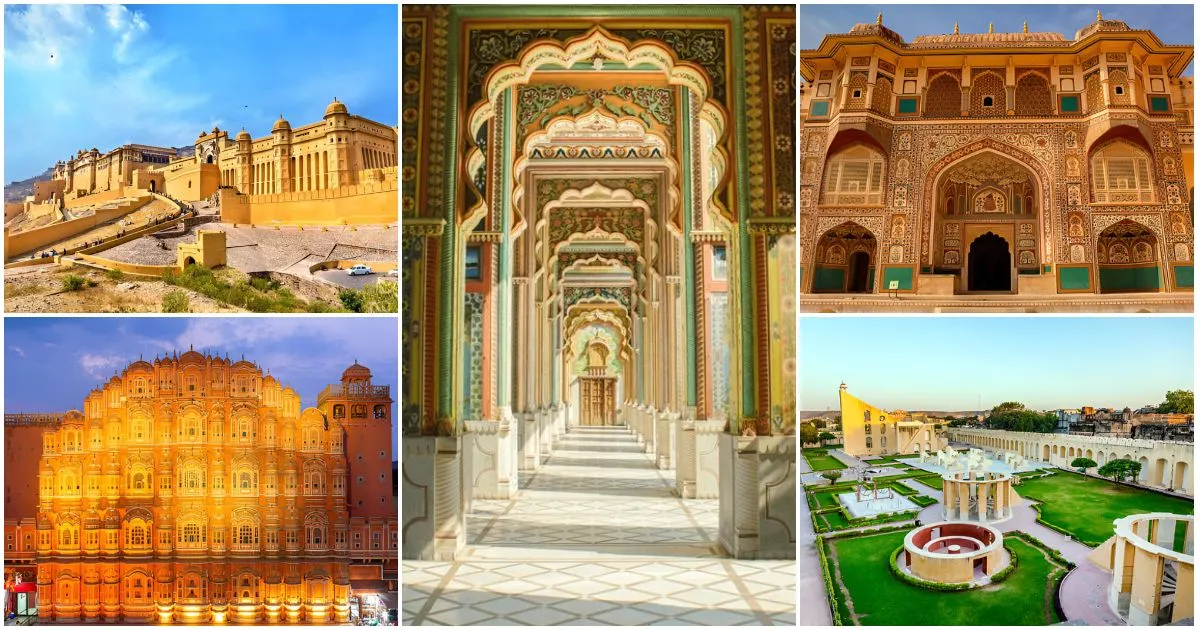
The final destination of the Golden Triangle is Jaipur, the capital of Rajasthan. Known for its pink-colored historic buildings, royal architecture, and traditional markets, Jaipur offers a completely different atmosphere from Delhi and Agra.
The city's most popular attractions include:
Amber Fort
Situated on a hill overlooking Maota Lake, Amber Fort is famous for its grand courtyards, decorated gateways, mirror work, and impressive palace architecture.
Hawa Mahal
Also known as the Palace of Winds, this five-storey structure is one of Jaipur's most recognizable landmarks. Its numerous small windows were designed to allow royal women to observe street activities while maintaining privacy.
City Palace
Located in the heart of the old city, City Palace combines traditional Rajput and Mughal architectural influences. Some sections continue to serve as royal residences, while others are open to visitors.
Jantar Mantar
This UNESCO World Heritage Site features remarkable astronomical instruments developed to observe celestial movements and measure time.
Jaipur is also an excellent destination for shopping. Visitors can explore Johari Bazaar for jewelry, Bapu Bazaar for textiles and traditional footwear, and local markets for handicrafts and souvenirs.
Those interested in experiencing Rajasthan beyond Jaipur can consider extending their holiday to destinations such as Udaipur, Jodhpur, Pushkar, or Jaisalmer.
How Many Days Should You Spend Exploring the Golden Triangle?
The ideal duration depends on your travel preferences, available time, and sightseeing interests.
A short trip of three or four days is possible, but it requires careful planning and limited sightseeing. Travelers who prefer a more comfortable experience should consider spending five or six days across the three destinations.
A general travel plan could look like this:
- Day 1: Arrive in Delhi and explore selected historical attractions.
- Day 2: Continue sightseeing in Delhi before travelling to Agra.
- Day 3: Visit the Taj Mahal, Agra Fort, and other local attractions.
- Day 4: Travel to Jaipur and explore the city's local surroundings.
- Day 5: Visit Amber Fort, City Palace, Hawa Mahal, and other attractions.
- Day 6: Enjoy additional sightseeing or return towards Delhi.
For travelers who want a structured route with sufficient time for the major attractions, a 5-day Golden Triangle tour can be a practical option.
An additional day can make the experience more relaxed, particularly for international visitors adjusting to a new time zone.
Best Time to Visit Delhi, Agra, and Jaipur
Weather conditions can significantly influence your sightseeing experience.
The most comfortable period for exploring the Golden Triangle is generally October to March.
October to November: Temperatures become more pleasant after the monsoon season. The surroundings are often greener, making this an attractive time for sightseeing.
December to February: Winter offers relatively comfortable daytime temperatures, although mornings and evenings can be cold, particularly in Delhi and Agra. Fog may occasionally affect early-morning road and rail journeys.
March: Early spring is another pleasant period, although temperatures gradually increase towards the end of the month.
April to June: Summer can be extremely hot, with temperatures sometimes exceeding 40°C. Travelers should plan outdoor sightseeing for early mornings and late afternoons.
July to September: The monsoon season brings rainfall and increased humidity. However, visitors may enjoy greener landscapes and comparatively fewer international tourists.
For first-time international travelers, November, February, and early March are often attractive choices.
Choosing the Best Transportation for Your Journey
Transportation is an important consideration when planning a Golden Triangle holiday. The three cities are connected by highways and railway services, allowing travelers to choose between different travel styles.
Private Car with Driver
A private vehicle provides flexibility and convenience, particularly for families, couples, and small groups. Travelers can adjust sightseeing schedules, take breaks, and visit additional attractions along the route.
Train Travel
India has several railway services connecting Delhi, Agra, and Jaipur. Air-conditioned trains can provide a comfortable alternative to road travel, although passengers should consider station transfers and fixed departure schedules.
Organized Guided Tours
A guided tour can simplify arrangements by combining transportation, sightseeing, accommodation, and local assistance. This can be particularly useful for international visitors who are unfamiliar with Indian roads, railway stations, and local travel arrangements.
The best option depends on your budget, travel dates, and preferred level of flexibility.
Important Travel Tips for First-Time Visitors to India
A little preparation can make your Golden Triangle experience significantly more comfortable.
1. Plan Your Monument Visits in Advance
Some popular attractions have specific opening days, ticketing arrangements, and visiting hours. The Taj Mahal, for example, is generally closed to visitors on Fridays, so plan your Agra sightseeing accordingly.
2. Wear Comfortable Clothing
Choose lightweight and breathable clothes during warmer months. Comfortable walking shoes are especially important because historic forts and monuments often involve considerable walking.
3. Stay Hydrated
Carry drinking water during sightseeing and avoid drinking untreated tap water. Choose reputable food establishments, particularly during your first few days in India.
4. Respect Local Customs
When visiting religious places, dress appropriately and follow local instructions regarding footwear, photography, and visitor conduct.
5. Keep Some Cash Available
Although digital payments and cards are widely accepted in major tourist areas, keeping a small amount of Indian currency is useful for local purchases, tips, and smaller establishments.
6. Allow Enough Travel Time
Traffic conditions can vary considerably, particularly around Delhi and Jaipur. Avoid scheduling important activities too close to your expected arrival time.
7. Book Reputable Accommodation and Transport
Choose established hotels, verified drivers, and reliable tour operators. Confirm inclusions, cancellation policies, and transport arrangements before making a booking.
Should You Extend Your Golden Triangle Holiday?
Although Delhi, Agra, and Jaipur offer plenty of attractions, travelers with additional time can explore other destinations in North India.
Some interesting extensions include:
- Ranthambore: An excellent choice for wildlife enthusiasts interested in guided tiger safaris.
- Udaipur: Famous for its beautiful lakes, historic palaces, and romantic atmosphere.
- Jodhpur: Known for Mehrangarh Fort, blue-painted houses, and traditional Rajasthani culture.
- Varanasi: One of India's oldest living cities, offering a fascinating introduction to spiritual traditions along the River Ganges.
Adding another destination allows visitors to experience a broader range of India's landscapes, traditions, and regional cultures.
However, it is worth balancing the number of destinations with the time available. Spending enough time in each city often creates a more rewarding travel experience than trying to cover too many places in a single holiday.
Final Thoughts
The Golden Triangle is an excellent introduction to India for travelers visiting the country for the first time. From Delhi's historic streets and Agra's magnificent Taj Mahal to Jaipur's royal palaces and colorful bazaars, the journey offers a wonderful combination of architecture, culture, history, and local experiences.
A well-planned itinerary of five to six days generally provides enough time to explore the major attractions without making the journey unnecessarily hectic.
Whether you prefer independent exploration, private transportation, or a guided holiday, choosing the right travel arrangements will help you enjoy the best of North India's most celebrated destinations.




















Sign in to leave a comment.