
If you package beer or beverages in cans, it's worth understanding exactly where plastic ring packaging stands legally right now, because the picture is shifting faster than most breweries realize.
Here's an accurate, current breakdown of what's actually banned, what's proposed, and what breweries should do about it.
What's actually banned today
Maine is currently the only state with an outright ban on plastic six-pack rings. Canada banned them nationally in 2023.
Most other states don't ban plastic rings outright. Instead, older laws from the 1990s (passed after wildlife entanglement became a national concern) require that plastic rings be degradable, recyclable, or photodegradable. By 1990, more than 25 states had adopted some version of this requirement, and a federal mandate followed shortly after.
The problem is that "degradable" and "photodegradable" aren't well defined or independently certified in most states, and meeting them doesn't mean the packaging is actually accepted in curbside recycling. In practice, most plastic rings that meet the letter of these older laws still aren't recyclable or compostable, and they're a growing source of microplastics as they break down.
What's changing right now
Several states have introduced (but not yet passed) stricter legislation specifically targeting plastic rings:
- Delaware introduced Senate Bill 263 in 2024, which would ban plastic container rings, shrink wraps, and connector tops outright. It has not yet passed.
- New York and Rhode Island have both considered similar bills.
- Broader state-level packaging laws (extended producer responsibility fees, plastic reduction targets, and PFAS restrictions) are also expanding in states like California and Colorado, and some of this legislation affects packaging materials more generally, even when it doesn't name plastic rings specifically.
So while an outright nationwide ban isn't in place yet, the regulatory direction is clear, and treating a ban as a live possibility in specific states is more accurate than assuming it won't happen.
Why this matters even if your state hasn't passed anything yet
Three reasons breweries get caught off guard:
- Distribution crosses state lines. If you ship or distribute outside your home state, you're subject to the packaging rules of every state you sell into, not just your own.
- Retailers are getting ahead of the law. Some grocery chains and distributors are starting to prefer or require compostable packaging regardless of what's legally required, simply because it reduces their own brand risk.
- Laws move faster than packaging changeovers. Switching suppliers, retooling a line, and using up existing inventory takes months. Waiting until a bill actually passes to start that process usually means scrambling.
What "actually compliant" packaging looks like
Because "degradable" is loosely defined, it's worth looking past the label. Can carriers that hold up under both current and proposed laws tend to be:
- Home compostable, not just labeled "biodegradable" (a term with little legal or practical meaning in most states)
- Curbside recyclable without special drop-off requirements
- Free of plastic coatings or laminates, since a thin plastic layer on cardboard still counts as plastic packaging under most proposed bans
- Backed by real documentation, not just marketing language
What breweries can do now
- Check the packaging rules in every state you distribute to, not just your home state.
- Ask your current packaging supplier directly whether their product is home compostable and curbside recyclable, and ask for documentation, not just a label claim.
- Start the transition on your own timeline. Switching packaging before you're forced to is far cheaper and less disruptive than switching under a compliance deadline.
Where Earthrings fits in
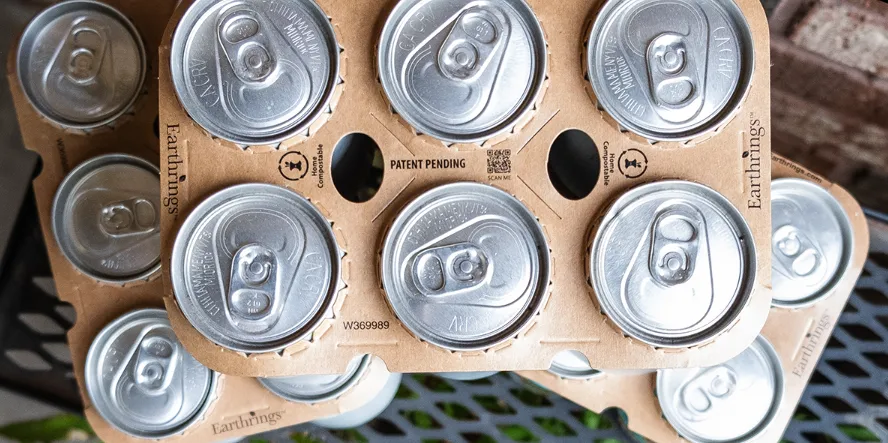
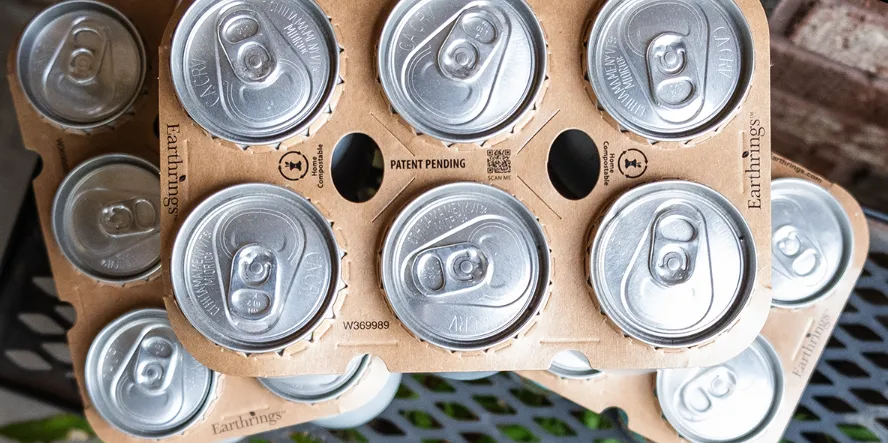
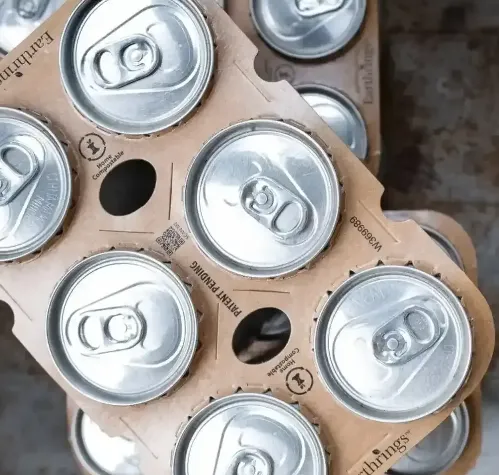
Earthrings makes curbside-recyclable, home-compostable can carriers from sustainable cardboard, with a biodegradable, moisture-resistant coating and no plastic film. They're built to meet the direction packaging law is heading, not just what's required today, and they cost less per unit than most other plastic free alternatives on the market.
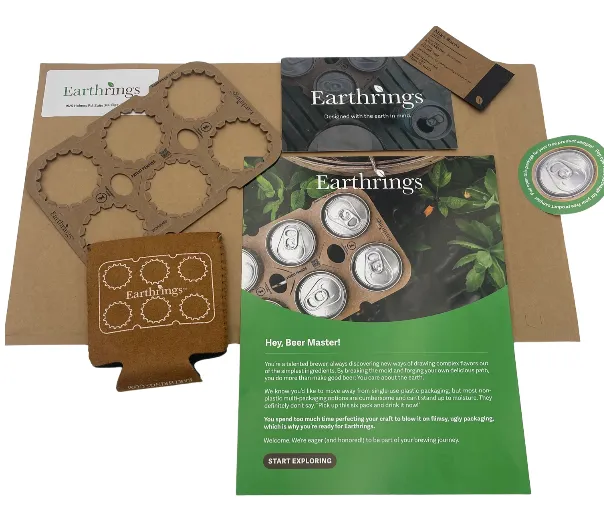
If you want to see how your current packaging compares, or just want a free sample to test on your own line, you can request one at earthrings.com.
This article is for general informational purposes and isn't legal advice. Always confirm current packaging regulations with your state's environmental agency or legal counsel before making compliance decisions.


























Sign in to leave a comment.