

A practical guide to sourcing quality plastic jars in Mumbai — from material grades and compliance to choosing the right manufacturing partner for your specific application.
Every year, a food processing unit in Thane places a bulk order for plastic jars, receives the consignment, and only then discovers the lids don't seal properly under high humidity. The reorder costs, the delay, the spoiled product — all avoidable had they known what to ask before signing the purchase order. This guide exists precisely for that reason.
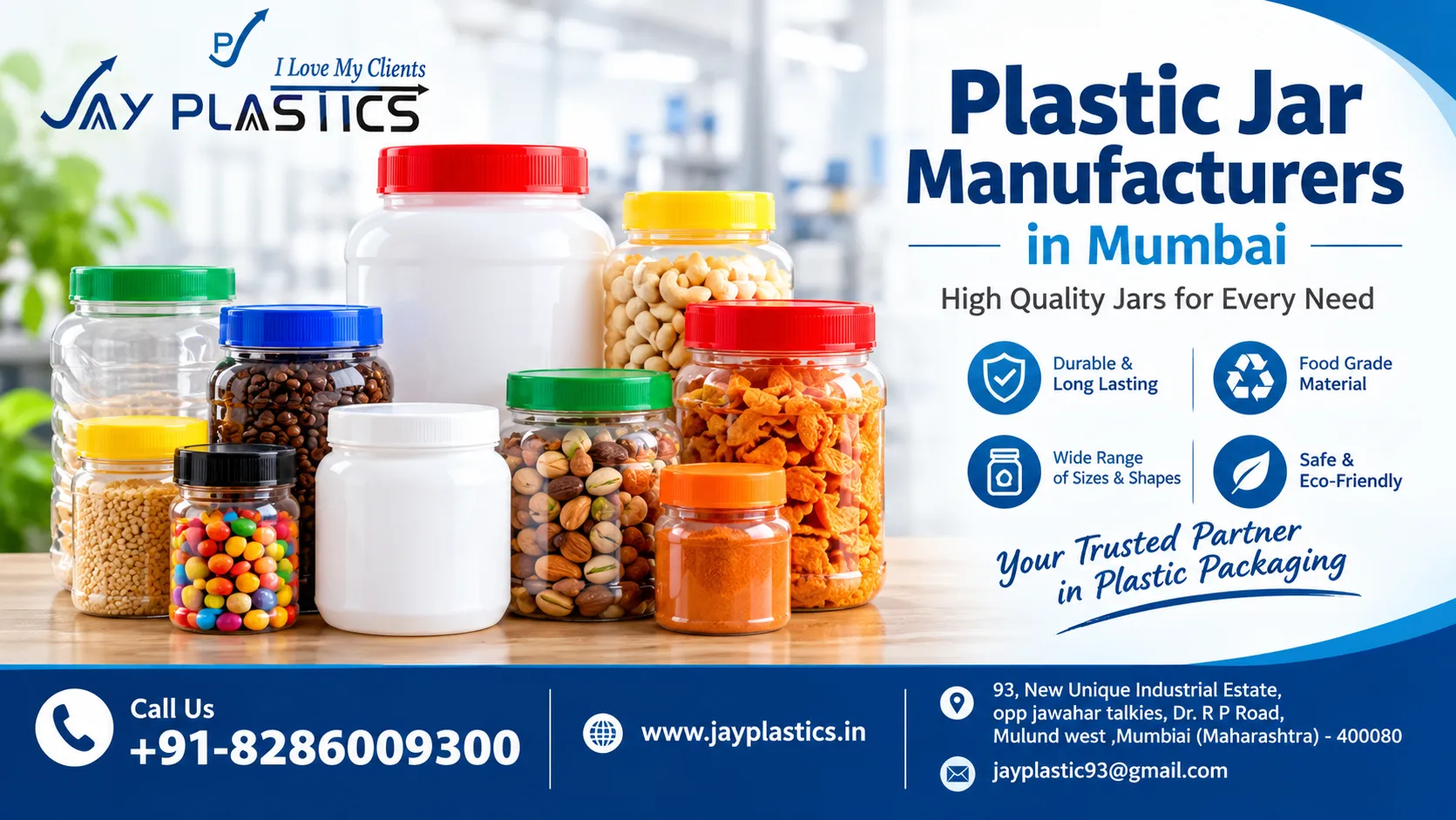
Mumbai's manufacturing ecosystem is dense and competitive. Plastic jar manufacturers in Mumbai range from small job shops running one blow moulding machine to mid-scale facilities capable of producing millions of units monthly. Knowing how to read that difference matters enormously.
Why Material Grade Determines Everything
The jar you see on a shelf is the end result of a material decision made weeks earlier on a factory floor. High-Density Polyethylene (HDPE) is preferred for chemical storage, agrochemical formulations, and floor cleaning concentrates because of its superior resistance to moisture vapour and most solvents. PET works better for food-grade applications where clarity is a commercial requirement.
According to the Plastic Export Promotion Council of India, HDPE packaging accounts for nearly 35% of the rigid plastic packaging market in the country — a figure driven largely by pharmaceutical, FMCG, and agrochemical demand. Getting the resin selection wrong at the procurement stage affects shelf life, regulatory approvals, and ultimately, your end customer's trust.
A reliable manufacturer will ask about your product's chemical composition before quoting a material. If they don't, that itself is a red flag.
Compliance Is Not Optional in 2025
The Plastic Waste Management Rules 2016, amended in 2022, impose specific obligations on manufacturers — minimum thickness standards, recycling markings, and restrictions on certain single-use formats. Any credible plastic jar manufacturer in Mumbai operating today should be supplying jars with appropriate BIS markings and resin identification codes.
Food-contact applications carry additional scrutiny. IS 10146 governs polyethylene for food packaging; jars meant for spice blends, dry snacks, or edible oils must meet its stipulations. Buyers in the food and pharmaceutical categories should ask for a declaration of compliance before signing off on a sample.
Capacity, Lead Times, and Why MOQs Matter
Mumbai's geography creates a hidden advantage for local buyers: proximity. Manufacturers based in industrial clusters like Mulund, Bhiwandi, and Andheri can fulfil repeat orders within 5 to 10 working days for standard SKUs — a turnaround that import or out-of-state sourcing simply cannot match.
Minimum Order Quantities vary sharply. Smaller buyers — startups, regional distributors, D2C brands — often find that large-scale facilities set MOQs beyond their immediate capacity. Mid-scale plastic jar manufacturers in Mumbai typically offer more flexible batch sizes without sacrificing the tooling quality that defines a professional-grade jar.
Industry data from FICCI's packaging sector reports indicates that the Indian rigid plastic packaging industry is growing at approximately 6 to 7% annually, driven by organised retail expansion and the formalisation of chemical, agrochemical, and FMCG supply chains. That growth is pulling more buyers toward established manufacturers over unorganised suppliers.
The Cap and Closure Problem Nobody Talks About
A plastic jar is only as good as its closure. Thread pitch, liner material, torque rating — these are engineering parameters, not cosmetic details. An ill-fitting cap on a jar of floor cleaning liquid or a pesticide concentrate is not just a sales problem; it is a safety issue.
Reputable plastic jar manufacturers in Mumbai produce matched sets: jar and cap engineered together to specified torque and tamper-evidence requirements. Buying jars and caps from separate, uncoordinated sources is a shortcut that creates problems at the filling line.
About Jay Plastics
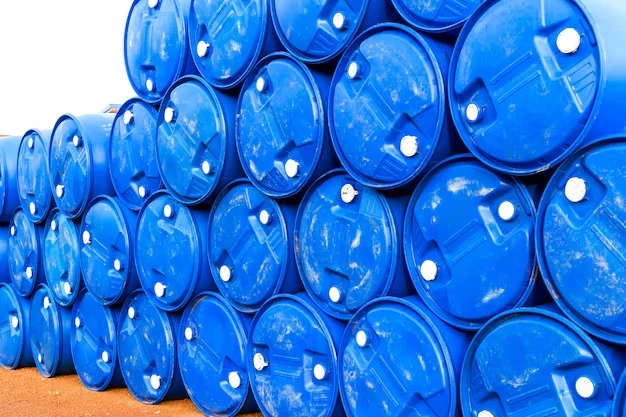
Jay Plastics has been manufacturing rigid plastic packaging from its facility at 93, New Unique Industrial Estate, Mulund West, Mumbai — 400080 for years. The company produces a wide range of plastic jars, HDPE bottles, jerry cans, plastic containers, drums, caps, and closures for clients across the chemical, agrochemical, floor care, and industrial sectors.
Production is handled under the oversight of Ravi Savla, with a focus on consistent wall thickness, proper resin selection, and matched closures for every jar format. Jay Plastics supplies buyers across Mumbai and Maharashtra.
Key Takeaways
- Material selection (HDPE, PET, PP) must align with the product being packaged.
- Compliance with Plastic Waste Management Rules and IS standards is non-negotiable.
- Local plastic jar manufacturers in Mumbai offer shorter lead times and flexible batch sizes.
- Always source jar and cap together — from the same manufacturer.
Contact Jay Plastics at 9892333548 or visit [www.jayplastics.in](https://www.jayplastics.in/) to discuss your jar requirements.





















Sign in to leave a comment.