

For any plumbing business, scheduling is the backbone of daily operations. A missed appointment or a double-booked technician does more than disrupt a single day.
It erodes customer trust and puts future business at risk. As call volume grows, manual methods like whiteboards and spreadsheets quickly become unreliable.
This is where plumbing company software provides real value. It replaces manual scheduling with a structured system built to handle genuine call volume, allowing office teams to book more jobs while maintaining full control of daily operations.
Why Manual Scheduling Breaks Down
Most plumbing businesses start small, often with one truck, a notebook, and a shared calendar. This approach works fine at first. But as a company hires more technicians and takes on more calls, the cracks start to show:
- Two customers get booked into the same time slot.
- A technician gets sent to a job that doesn’t match their skills.
- Dispatchers waste time on the phone confirming who’s free.
- Jobs get missed because sticky notes fall off the board.
These issues rarely come from a lack of effort. They come from a system that was never designed to scale beyond one or two weeks.
What Scheduling Software Actually Fixes
A dedicated scheduling tool gives dispatchers a live view of every technician, job, and open time slot. Instead of guessing who’s available, the schedule shows it, and jobs can be booked, moved, or reassigned in a few clicks.
Key benefits include:
- Real-time technician visibility: See who’s on a job, who’s driving, and who’s free right now.
- Skill-based assignment: Match the right technician to the right job instead of sending someone unprepared.
- Fewer double-bookings: A shared, always-current calendar removes the guesswork that causes scheduling conflicts.
- Faster dispatch: New calls get slotted in and sent out in minutes, not after a round of back-and-forth calls.
- Better customer communication: Automated updates and reminders cut down on no-shows and last-minute cancellations.
This is also where a field service app earns its keep. Technicians carry the schedule, job details, and customer history on their phone, so they can update job status and move to the next call without a dispatcher chasing them down.
Handling More Calls Without Adding Headcount
Growth usually means more calls, but it doesn’t have to mean more office staff. With a connected scheduling system, one dispatcher can manage a larger team because the software handles the coordination work that once took hours on the phone.
Here are some practices that can maximize the efficiency of scheduling software among plumbing businesses:
- Maintain technicians’ skills and service locations up to date in order to properly assign work.
- Optimize routing in order to reduce travel time between appointments.
- Create repeating jobs to simplify contract maintenance.
- Look over the daily schedule at the start of each working day.
These steps become especially important when emergency calls are concerned. A burst pipe can’t wait, and a system that shows exactly which technician is closest and available lets a dispatcher respond in seconds instead of scrambling.
Choosing the Right Fit
Not every plumbing company needs the same setup. A small residential outfit has different needs than a commercial contractor juggling service contracts and multi-day installs. Look for software that fits how the team works, handles both routine calls and larger projects, and gives technicians a mobile tool they’ll actually use in the field.
The goal isn’t just fewer scheduling headaches. It’s a plumbing business that can take on more work, keep customers happy, and grow without the office falling behind.
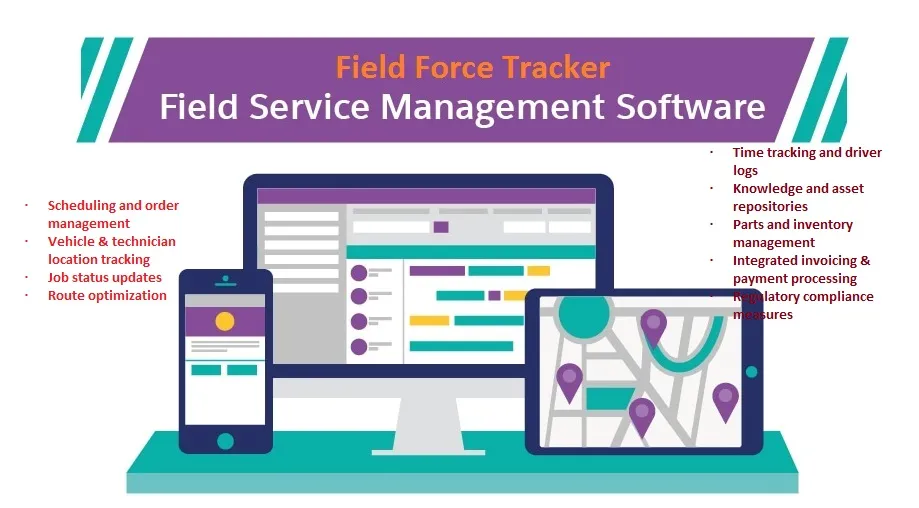
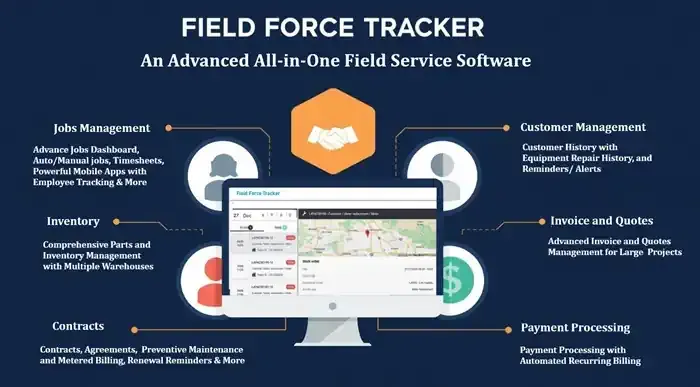
Field Force Tracker is designed is exactly the way that is needed for growth because it provides plumbing companies with all of the tools required to handle more service calls without losing the efficiency needed to maintain their customers.

















Sign in to leave a comment.