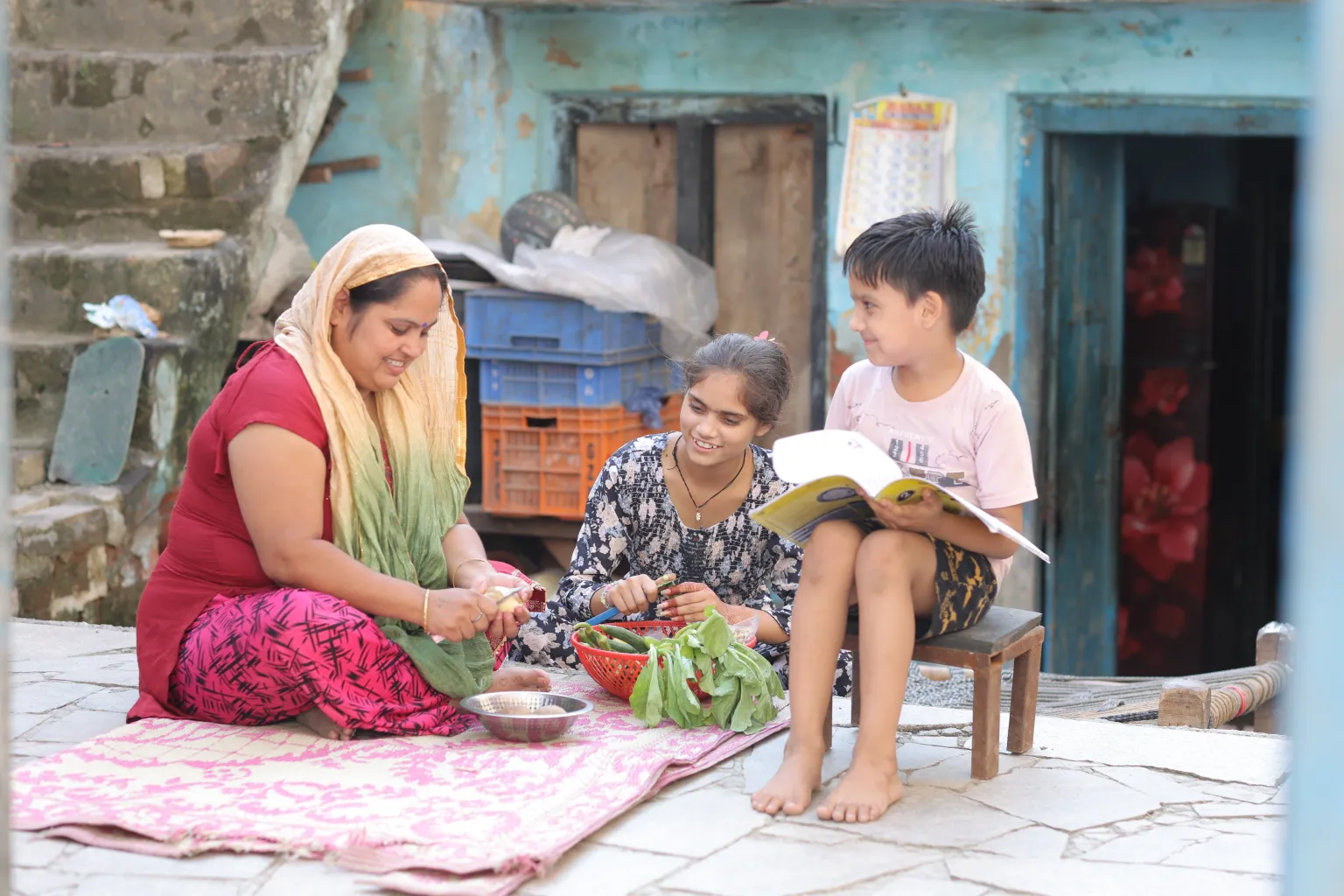

Nutrition and education are closely connected. A child who attends school without adequate nutrition may find it difficult to concentrate, participate in classroom activities, and maintain healthy physical development. Recognising this connection, the Government of India operates the PM POSHAN Scheme, one of the country's major school nutrition programmes.
The scheme combines the objectives of child nutrition and school education, providing cooked meals to eligible children while also supporting regular school attendance and participation. Understanding how PM POSHAN works can help explain why school meals remain an important part of India's broader education and social development framework.
What Is the PM POSHAN Scheme?
PM POSHAN stands for Pradhan Mantri Poshan Shakti Nirman. It is India's national school meal programme and was introduced in its present form in 2021.
The scheme evolved from the earlier Mid-Day Meal Scheme and provides a hot, cooked meal to eligible children studying in government and government-aided schools. According to Smile Foundation's recent overview, the programme reaches more than 11.8 crore children across approximately 11.2 lakh schools.
The programme is designed not only to address classroom hunger but also to encourage children to attend school regularly and remain connected with education.
How Did India's School Meal Programme Develop?
School meal programmes in India have a long history. Early initiatives were introduced at the local level, including school lunch programmes in Madras during the twentieth century. Tamil Nadu subsequently developed a large-scale school meal system.
At the national level, the government introduced a school nutrition programme in 1995. Over time, the approach shifted from providing foodgrains to supporting cooked meals.
The Supreme Court of India played an important role in the expansion of cooked school meals, with its 2001 order requiring cooked meals in government and government-aided schools.
In September 2021, the programme was renamed PM POSHAN and expanded to include additional components such as pre-primary education.
Who Is Covered Under PM POSHAN?
The PM POSHAN Scheme primarily covers children in Bal Vatika, or pre-primary classes attached to eligible schools, and students from Class I to Class VIII studying in government and government-aided schools.
The scheme also covers certain children in local body schools, Special Training Centres, and eligible traditional educational institutions supported under Samagra Shiksha.
Private unaided schools are generally outside the programme's coverage.
This distinction is important because the scheme is specifically designed around public and publicly supported school education.
Nutritional Standards Under PM POSHAN
The programme has defined nutritional standards for meals served to children. These standards vary depending on the age and educational level of students.
For younger children at the Bal Vatika and primary level, the prescribed meal provides approximately 450 calories and 12 grams of protein. For upper-primary students, the target rises to around 700 calories and 20 grams of protein.
The nutritional framework also specifies quantities for foodgrains, pulses, vegetables, and oil or fat.
These standards demonstrate that the programme is intended to provide meaningful nutritional support rather than simply offering a meal at school.
How PM POSHAN Supports Education
The relationship between school nutrition and education is significant. Hunger can affect concentration and classroom participation. A nutritious school meal can help children remain engaged during the school day.
For families facing economic difficulties, school meals can also reduce some of the household burden associated with providing food during school hours.
The programme therefore has both educational and nutritional objectives. It seeks to encourage regular attendance while addressing an immediate barrier to effective learning.
Kitchen Gardens and Community Participation
PM POSHAN includes initiatives such as school nutrition gardens, where schools can grow vegetables and other food items.
Kitchen gardens can provide fresh produce for meals while also giving students an opportunity to learn about agriculture, nutrition, sustainability, and the environment.
Another component is Tithi Bhojan, through which communities can participate by providing special meals on occasions such as festivals or important personal events.
These activities encourage communities to become more involved in children's nutrition and school environments.
Implementation Across Different States
Although PM POSHAN is a national programme, implementation can differ between states.
Different states and regions use different models for cooking and distributing meals. Some rely on centralised kitchens, while others work with local groups and community-based organisations.
For example, Smile Foundation's overview highlights the use of women's self-help groups, centralised kitchens, and state-specific meal practices in different parts of India.
This flexibility allows states to adapt implementation according to local infrastructure, food preferences, geography, and administrative systems.
Challenges in Implementing PM POSHAN
Running a school meal programme at such a large scale is complex. Kitchen infrastructure, food storage, hygiene, cooking facilities, transportation, fund availability, and monitoring all affect implementation.
Differences between states and individual schools can also influence meal quality and consistency.
Food safety is another important consideration. Meals need to be prepared, stored, transported, and served under appropriate conditions.
Addressing these challenges requires effective coordination among schools, local authorities, state governments, communities, and other stakeholders.
The Connection Between Nutrition and Social Equity
School meals can also contribute to social inclusion. Children from different economic and social backgrounds can share the same meal within the school environment.
This can encourage interaction and help reduce some social differences within classrooms.
For children from economically disadvantaged families, access to a regular school meal can also provide additional nutritional support during important years of physical and cognitive development.
Smile Foundation and Child Nutrition
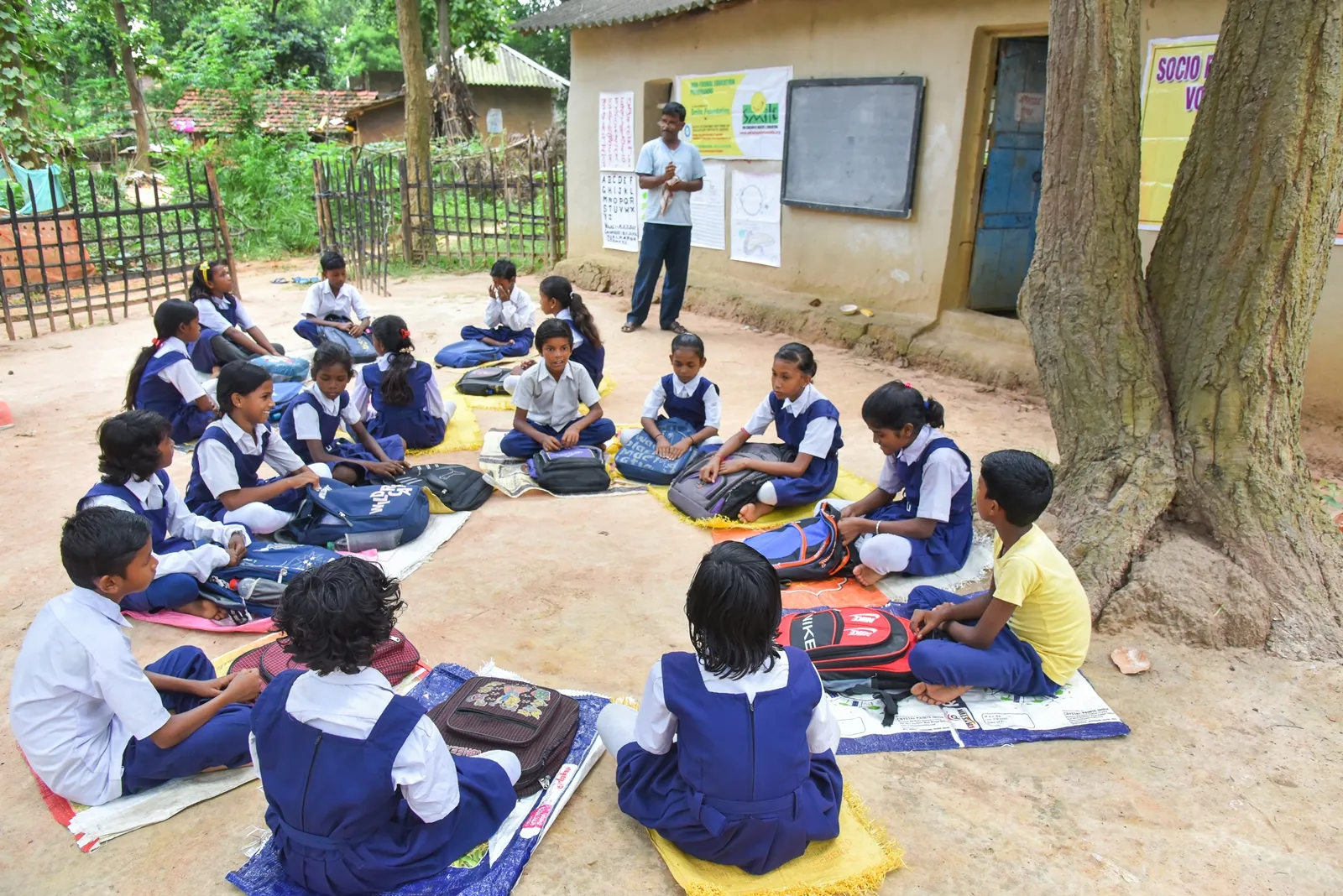
Smile Foundation India works with children from underserved communities through its Mission Education programme.
The organisation's education initiatives incorporate nutritional support, health check-ups, growth monitoring, and other components alongside learning. This is particularly relevant for children who may not always be reached through government school-based nutrition programmes.
The approach reflects the wider idea that education and child nutrition cannot always be treated as separate issues. A child's ability to learn is influenced by their overall health and well-being.
PM POSHAN and India's Broader Nutrition Goals
PM POSHAN operates alongside other national initiatives addressing child nutrition in India.
Programmes such as POSHAN Abhiyaan, Anganwadi services, and Mission Poshan 2.0 form part of a broader effort to improve nutrition among children and mothers.
Together, these initiatives recognise that childhood nutrition requires support at different stages and through different delivery systems.
Conclusion
The PM POSHAN Scheme represents an important connection between nutrition and education. By providing cooked meals to eligible children in government and government-aided schools, the programme aims to address classroom hunger, support attendance, and contribute to children's nutritional well-being.
Its implementation involves schools, governments, communities, kitchens, self-help groups, and other stakeholders. At the same time, challenges related to infrastructure, food safety, funding, and monitoring require continued attention.
Through Mission Education, Smile Foundation India complements broader education and nutrition efforts by supporting children in underserved communities.
Ultimately, a strong education system requires more than classrooms and textbooks. Child nutrition, health, safety, and emotional well-being are equally important foundations for meaningful learning.




























Sign in to leave a comment.