Pool Remodeling: Transform Your Backyard Into a Beautiful Outdoor Retreat

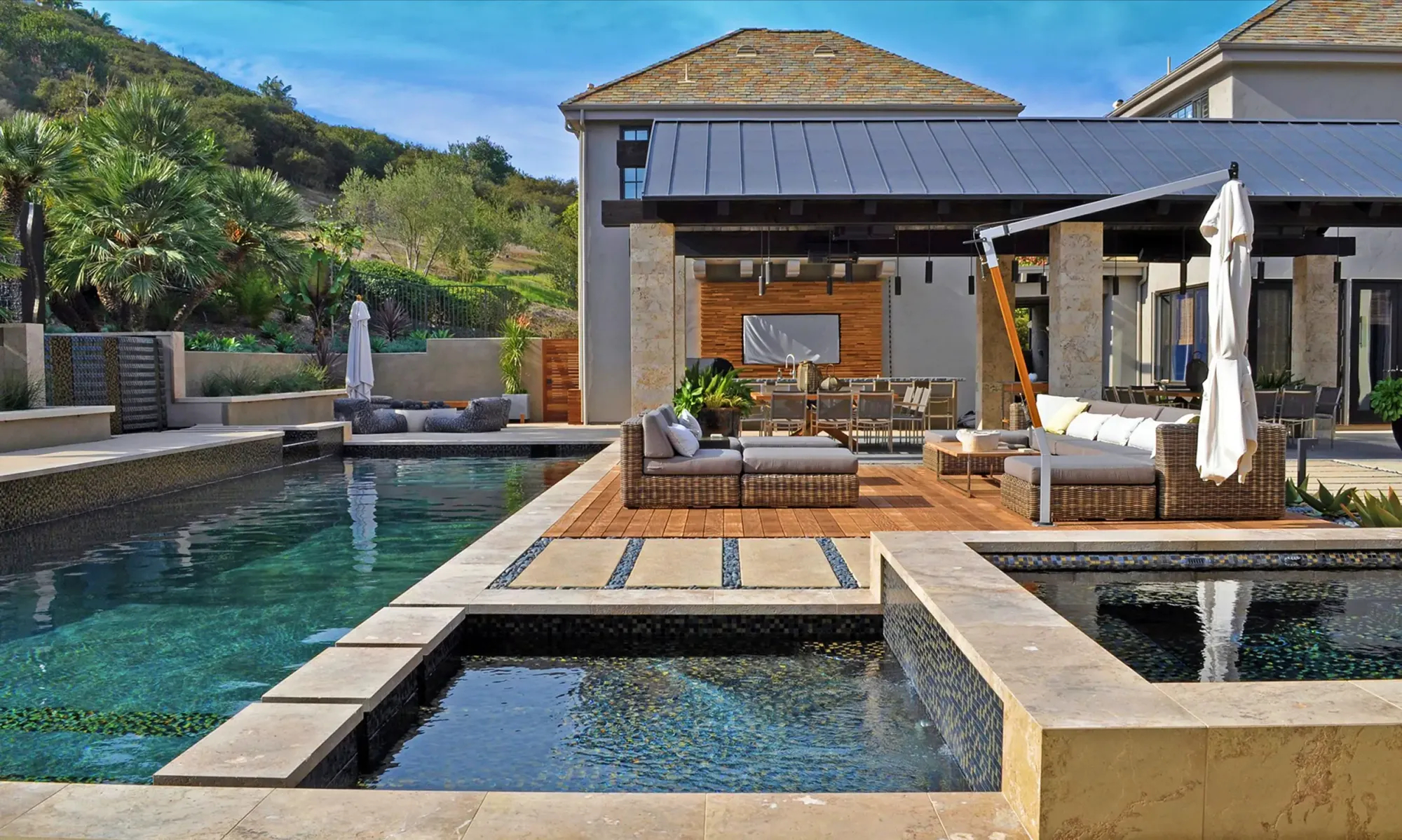
A swimming pool can be one of the most enjoyable features of a home, offering a place to relax, exercise, entertain guests, and spend quality time with family. However, as pools age, their appearance, functionality, and efficiency can begin to decline. Outdated finishes, worn tiles, inefficient equipment, and changing lifestyle needs may indicate that it is time to consider an upgrade. Pool remodeling provides an opportunity to refresh your existing swimming pool, improve its performance, and create an outdoor environment that better suits your preferences.
Whether you want to modernize an older pool, improve safety, enhance energy efficiency, or create a luxurious backyard retreat, a well-planned renovation can make a meaningful difference. With professional guidance, homeowners can explore design improvements, practical upgrades, and modern features that add comfort and value to their outdoor spaces.
What Is Pool Remodeling?
Pool remodeling involves updating, repairing, or redesigning an existing swimming pool to improve its appearance, functionality, durability, or overall experience. Unlike building an entirely new pool, remodeling focuses on making the most of the structure already in place whenever practical.
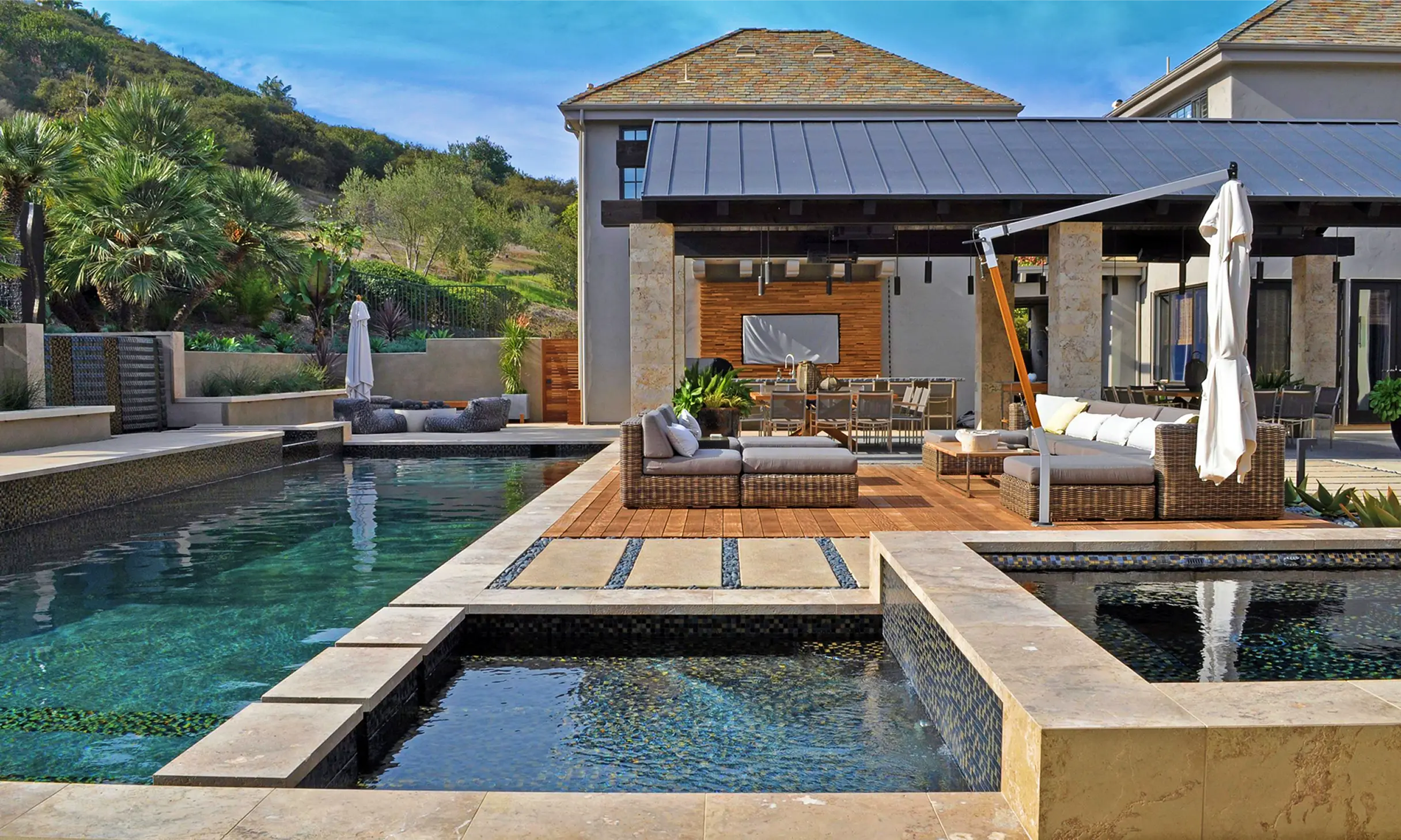
The scope of a project depends on the pool's current condition, the homeowner's goals, and the available budget. Some renovations involve simple cosmetic improvements, while others require extensive changes to surfaces, decking, lighting, plumbing, or equipment.
Common remodeling projects include:
- Resurfacing the pool interior to address discoloration, roughness, or wear.
- Replacing outdated waterline tiles and decorative finishes.
- Updating coping and surrounding decking.
- Installing energy-efficient pumps, filters, and heating systems.
- Adding LED lighting, water features, or other modern amenities.
- Improving steps, entry points, and safety features.
- Updating the pool's shape or integrating new design elements when the structure permits.
A successful renovation balances visual appeal with reliable operation. By evaluating the existing pool before choosing upgrades, homeowners can prioritize improvements that deliver practical benefits as well as a refreshed appearance.
Signs It Is Time for Pool Remodeling
Recognizing the signs of deterioration can help homeowners address problems before they become more complicated or expensive. Although some issues can be resolved through routine maintenance, others may indicate that a larger renovation is appropriate.
Worn or Damaged Pool Surfaces
Pool interiors experience continuous exposure to water, chemicals, sunlight, and temperature changes. Over time, plaster, aggregate, or other finishes can become rough, stained, faded, or cracked. These conditions may affect comfort and make the pool look older than it is.
Resurfacing can restore a smoother, more attractive finish while providing an opportunity to select a color or texture that complements the surrounding landscape. The appropriate material depends on the pool's condition, maintenance expectations, and desired appearance.
Outdated Tiles and Coping
Waterline tiles and coping contribute significantly to a pool's visual character. Damaged tiles, deteriorating grout, loose coping, or dated colors can make an otherwise functional pool appear neglected.
Replacing these elements can create a cleaner, more contemporary look. Homeowners can choose finishes that coordinate with outdoor flooring, landscaping, and architectural details to establish a cohesive design.
Increasing Maintenance Problems
Frequent equipment issues, recurring surface problems, and persistent water-quality difficulties may indicate that the pool needs more than routine servicing. An inspection can help determine whether individual repairs are sufficient or whether several components would benefit from coordinated upgrades.
Changing Lifestyle Needs
A pool that worked well for a household years ago may no longer meet its current needs. Families may want more comfortable seating areas, easier access, improved lighting, or additional space for entertaining.
Pool remodeling allows homeowners to adapt their outdoor environments without automatically starting from scratch. The goal is to create a pool that supports how the space will actually be used.
Pool Remodeling Ideas for a Modern Backyard
A renovation offers an opportunity to rethink the entire pool environment rather than focusing exclusively on repairs. The most effective design choices combine attractive finishes with features that improve everyday enjoyment.
Refresh the Pool Interior
Resurfacing is one of the most noticeable improvements available. A fresh finish can change the pool's overall appearance and influence how the water looks in different lighting conditions.
Light-colored finishes can create a bright, inviting atmosphere, while deeper shades may produce a more dramatic visual effect. Textured finishes can also contribute to the desired aesthetic.
Before selecting a material, consider durability, comfort, maintenance requirements, and compatibility with the existing pool structure. A qualified professional can explain the differences between available options.
Upgrade Waterline Tiles
New tiles can introduce color, contrast, or subtle patterns to the pool. Contemporary designs often emphasize clean lines and coordinated materials, but traditional styles can work equally well when they complement the home's architecture.
Tile selection should account for water exposure, cleaning requirements, and long-term durability. Proper installation is essential for achieving an attractive result that holds up over time.
Improve Pool Decking
The area surrounding the pool influences both appearance and usability. Cracked, slippery, or outdated decking may reduce comfort and make the outdoor space less appealing.
Replacing or updating the deck can create a more unified environment. Materials should be selected for their suitability around water, surface temperature, traction, maintenance needs, and local climate.
The renovation can also include improved transitions between the pool, patio, outdoor kitchen, seating areas, and garden.
Add Lighting and Water Features
Lighting can transform the pool after sunset, making the backyard more inviting for evening relaxation and entertaining. Energy-efficient LED fixtures offer opportunities to customize the atmosphere while improving visibility when appropriately designed.
Waterfalls, fountains, and other water features can add movement and sound to the landscape. However, these additions should be evaluated for their installation requirements, operating costs, and maintenance needs.
Enhance Steps and Entry Points
Comfortable access is an important consideration for homeowners of different ages and abilities. Depending on the pool's structure, remodeling may provide an opportunity to improve steps, handrails, entry areas, or other accessibility features.
A professional assessment can help determine which changes are feasible and whether additional safety measures are appropriate.
Benefits of Professional Pool Remodeling
Investing in professional renovation services can improve several aspects of pool ownership. The benefits depend on the work performed, the condition of the existing pool, and the quality of the design and installation.
Improved Appearance
One of the most immediate advantages is a refreshed outdoor environment. Updated surfaces, coordinated tiles, modern decking, and carefully selected features can make an aging pool look significantly more inviting.
A consistent design also helps connect the pool with the rest of the backyard, creating an outdoor space that feels intentional rather than pieced together over time.
Better Functionality
A renovation can address practical limitations, such as uncomfortable entry points, inadequate lighting, outdated circulation equipment, or insufficient space for relaxation.
When improvements are planned together, homeowners can create a swimming environment that is easier to enjoy and better suited to their routines.
Opportunities for Greater Energy Efficiency
Older pool equipment may consume more energy than necessary. Replacing an inefficient pump or upgrading selected systems can help reduce operating costs, depending on the equipment, usage patterns, and energy rates.
Variable-speed pumps, suitable filtration systems, and well-maintained heating equipment may contribute to improved efficiency. Equipment selection should account for the pool's size and hydraulic requirements rather than focusing on price alone.
Potential Property Appeal
An attractive, well-maintained pool can contribute to a property's overall outdoor appeal. Buyers who value outdoor entertaining and recreation may appreciate a pool that looks current and has been properly maintained.
However, remodeling does not guarantee a specific increase in property value. Results depend on the local real estate market, the quality of the renovation, buyer preferences, and the property's other features.
Easier Long-Term Maintenance
Replacing deteriorated finishes or outdated components may help address recurring maintenance challenges. Modern equipment and carefully selected materials can also make certain routine tasks more manageable.
Maintenance needs will not disappear after a renovation, but appropriate upgrades may help homeowners maintain their pools more effectively.
Understanding the Pool Remodeling Process
Planning is essential for keeping a renovation organized and ensuring that the finished result meets expectations. While each project is different, most professional remodeling projects follow several key stages.
1. Inspection and Initial Consultation
The process begins with an evaluation of the existing pool and a discussion of the homeowner's goals. The professional may review visible surface damage, tile condition, decking, equipment, circulation, and other relevant features.
This stage helps identify immediate concerns and distinguish essential repairs from optional improvements.
2. Design and Material Selection
Once the project requirements are understood, homeowners can explore layouts, finishes, colors, equipment, and additional features.
It is helpful to prioritize upgrades according to their importance. Structural concerns and necessary repairs should generally take precedence over decorative additions.
3. Budgeting and Project Planning
A detailed proposal should outline the planned work, materials, expected schedule, and other project requirements. Costs vary considerably based on the pool's size, condition, chosen finishes, equipment, labor, and complexity.
Homeowners should also ask about potential additional costs if hidden damage is discovered after work begins. Establishing clear expectations early can reduce misunderstandings later.
4. Preparation and Renovation
Depending on the project, preparation may involve draining the pool when appropriate, protecting surrounding areas, removing old finishes, repairing surfaces, replacing equipment, and completing other installation tasks.
Drainage should only be performed under appropriate professional guidance because groundwater conditions and soil pressure can create serious risks for certain pools.
5. Finishing and System Checks
After the renovation work is completed, the pool should be inspected and the relevant systems checked. Finishing tasks may include installing new surfaces, completing tile work, testing equipment, and preparing the pool for use.
Water chemistry must be balanced according to the finish manufacturer's instructions and applicable safety guidance before swimming resumes.
6. Maintenance Guidance
Before the project is considered complete, homeowners should understand how to care for the new materials and equipment. Proper startup procedures, regular water testing, cleaning, and scheduled servicing can help protect the investment.
How Much Does Pool Remodeling Cost?
The cost of pool remodeling depends on the extent of the renovation. A project focused on replacing a few tiles or updating lighting will generally have different requirements from one involving resurfacing, decking replacement, equipment upgrades, or major structural changes.
Important cost factors include:
- Pool size, depth, and existing condition.
- Type and quality of interior finish.
- Tile, coping, and decking materials.
- Equipment replacement and plumbing requirements.
- Additional features such as lighting or waterfalls.
- Site accessibility and local labor costs.
- Permits, inspections, and applicable code requirements.
To develop a realistic budget, begin by identifying the problems that need attention. Next, determine which upgrades would provide the greatest practical benefit. Request an itemized estimate that separates necessary repairs from optional enhancements.
It is also wise to allow for contingencies when older pools may contain hidden damage. Choosing a contractor based solely on the lowest estimate can be risky if important work, materials, or preparation steps are excluded.
Choosing the Right Pool Remodeling Contractor
The quality of the contractor can significantly influence the project's appearance, durability, and overall experience. Before hiring a professional, review the following considerations.
Relevant experience: Look for experience with projects similar in scope to yours, whether the work involves resurfacing, decking, equipment upgrades, or more extensive renovation.
Licensing and insurance: Verify the qualifications required for your location and confirm that the contractor carries appropriate insurance.
Clear proposals: A reliable proposal should explain the planned work, materials, costs, payment schedule, and expected timeline.
References and project examples: Reviewing previous projects can help you assess workmanship and determine whether the contractor's design approach aligns with your preferences.
Communication: Ask how changes, unexpected repairs, scheduling adjustments, and questions will be handled during the renovation.
Warranty information: Understand which components and services are covered, the duration of coverage, and any maintenance conditions that apply.
Homeowners should also confirm who will handle permits and inspections when required. Taking time to evaluate these details can help establish a productive working relationship and reduce avoidable complications.
Why Consider Mission Pools for Pool Remodeling?
Choosing a remodeling professional who understands pool design, construction, and renovation requirements can help turn your ideas into a practical project. Mission Pools provides a starting point for homeowners exploring ways to update their existing swimming pools and outdoor spaces.
When considering a project, discuss the pool's current condition, the improvements you would like to make, and how you expect to use the finished space. A consultation can help clarify the available options and establish priorities based on your goals.
Whether you are considering a refreshed finish, updated surrounding areas, or a broader transformation, careful planning is essential. Review the services available through the Mission Pools website at Mission Pools to learn more about your remodeling options and determine the next steps for your property.
Pool Remodeling Tips for Long-Term Results
A successful renovation should continue delivering benefits long after the work is finished. The following practices can help homeowners protect their investment.
- Establish a maintenance routine: Test the water regularly, clean the pool, and monitor equipment performance.
- Follow finish-specific care instructions: New surfaces may require particular startup procedures and restrictions on chemical levels.
- Address small problems early: Loose tiles, unusual water loss, and equipment changes should be investigated promptly.
- Keep equipment serviced: Routine inspections and cleaning can help maintain circulation and filtration performance.
- Protect surrounding surfaces: Use appropriate cleaning products and follow recommendations for decking and coping materials.
- Plan for seasonal needs: Adjust maintenance and equipment operation according to the climate and frequency of pool use.
A professional renovation is most effective when combined with consistent care. Selecting suitable materials and following the recommended maintenance schedule can help preserve the pool's appearance and functionality.
Conclusion
Pool remodeling is an opportunity to renew an aging swimming pool, improve everyday functionality, and create an outdoor environment that reflects your lifestyle. From resurfacing and tile replacement to modern equipment, lighting, decking, and accessibility improvements, the right upgrades can make your pool more comfortable and visually appealing.
The best results begin with a clear understanding of the pool's condition, realistic budgeting, thoughtful material selection, and a qualified remodeling professional. By prioritizing necessary repairs and choosing enhancements that support your long-term goals, you can make informed decisions about your outdoor space.
If your swimming pool looks outdated, requires frequent repairs, or no longer meets your needs, explore the available options with Mission Pools. A carefully planned renovation can help you make better use of your backyard and enjoy a swimming environment designed around your preferences.


Sign in to leave a comment.