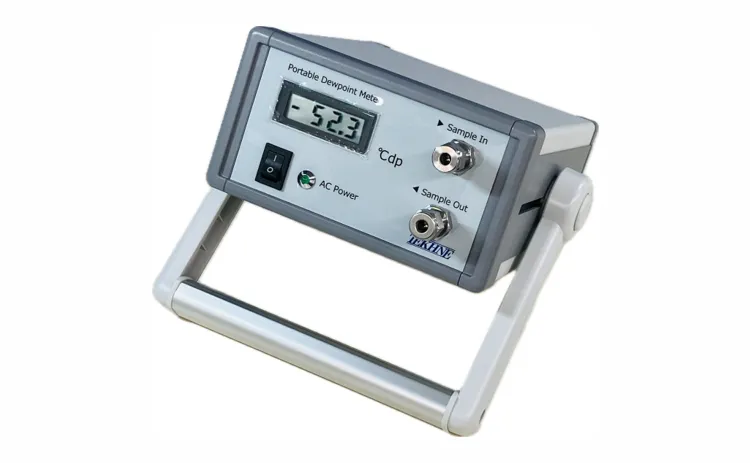

Moisture measurement is an important part of maintaining product quality and equipment performance in many industrial environments. Compressed air and industrial gases often require careful monitoring because excessive water vapor can contribute to corrosion, contamination, and operational problems. A portable instrument allows technicians to measure moisture conditions at different locations without relying exclusively on permanently installed monitoring systems. Understanding how a Portable dewpoint meter works can help industrial users evaluate moisture levels and maintain suitable process conditions.
What Is a Portable Dewpoint Meter?
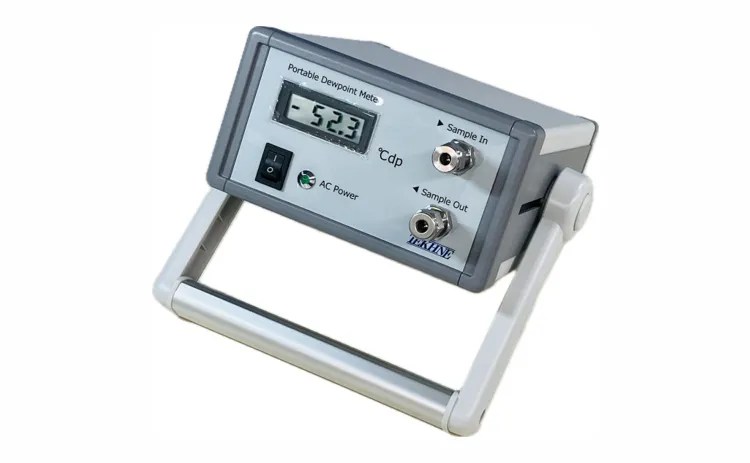
A portable dewpoint meter is an instrument designed to measure the dew point temperature of gases, including compressed air. The dew point is the temperature at which water vapor begins to condense under the prevailing pressure conditions.
Portable instruments allow measurements to be taken at different sampling points throughout a facility. Depending on the model, they may display dew point readings digitally, record measurement data, or provide additional information relevant to moisture monitoring.
How Dew Point Measurement Works
Dew point measurement helps determine the moisture condition of a gas. When the gas reaches its dew point temperature, water vapor begins to condense into liquid water.
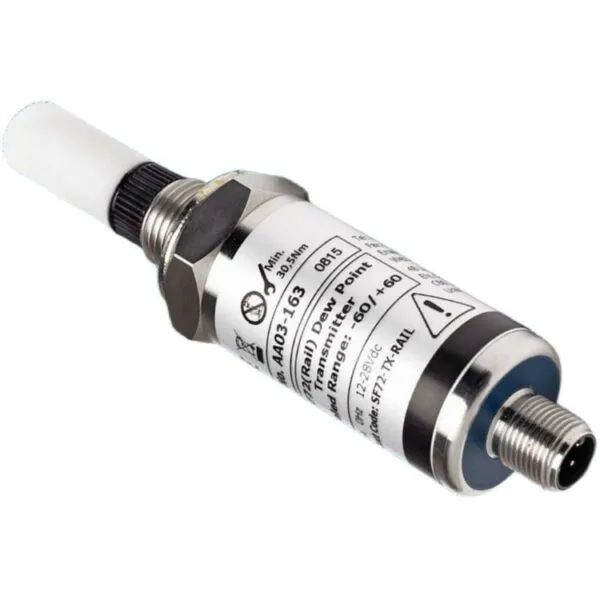
Different instruments use different sensing technologies to determine this temperature. The measurement method, operating range, response time, and accuracy depend on the instrument's design and calibration.
In compressed air systems, pressure conditions are particularly important because dew point values can differ depending on whether measurements refer to pressurized gas or atmospheric conditions.
Why Portable Moisture Measurement Matters
Portable moisture instruments can support inspection and maintenance activities across industrial facilities. Technicians may use them to check compressed air quality, investigate moisture-related problems, or compare readings at different points in a gas distribution network.
These measurements can help identify changes in drying performance and support maintenance decisions. However, results should be interpreted alongside the system's operating pressure, sampling conditions, and required moisture limits.
Important Features to Consider
When evaluating a portable moisture measurement instrument, several technical characteristics deserve attention.
Measurement Range
The measurement range determines the dew point values the instrument can measure. The appropriate range depends on the gas system and the dryness levels required by the application.
Measurement Accuracy
Accuracy indicates how closely a measurement represents the actual value. Calibration status, operating conditions, and the instrument's specifications should be considered when evaluating readings.
Response Time
Response time describes how quickly the instrument responds to a change in moisture conditions. This can be important when checking multiple sampling points or investigating changing process conditions.
Portability and Display
A compact design and readable display can make an instrument easier to use during inspections. Data logging and communication features may also be available, depending on the model.
Industrial Applications
Portable dew point instruments are used in several industrial settings where moisture control is important.
Compressed Air Systems
Measurements help operators assess dryer performance and monitor moisture conditions in pneumatic systems.
Pharmaceutical Manufacturing
Moisture monitoring can support process control where dry gases or compressed air are required.
Power Generation
Industrial facilities may measure dew point to monitor gas conditions and support equipment maintenance.
Petrochemical Processing
Moisture measurement can help monitor gas quality and investigate conditions that may affect process equipment.
Electronics Manufacturing
Certain manufacturing processes require controlled moisture conditions to support production quality and equipment performance.
Shawmeters and Portable Moisture Measurement
https://www.shawmeters.com/ provides moisture measurement instruments for industrial applications, including dew point measurement equipment. When evaluating an instrument from Shawmeters, users should review its measurement range, accuracy specifications, sampling requirements, calibration procedures, and available data features.
The appropriate model depends on the gas being measured, the expected dew point range, operating pressure, and the conditions in which measurements will be taken.
Proper Sampling and Maintenance
Reliable measurements depend on more than the instrument itself. Sampling connections should be suitable for the gas system, and leaks or contamination should be avoided. Sampling lines may need to be dry and compatible with the application to prevent inaccurate readings.
Routine calibration and maintenance should follow the manufacturer's recommendations. Technicians should also allow the instrument to stabilize according to its operating instructions before recording measurements.
Choosing an Instrument for Industrial Use
Before selecting a portable dew point instrument, users should identify the gas type, expected moisture range, operating pressure, required accuracy, and frequency of testing. Additional considerations may include battery life, data storage, portability, and compatibility with existing sampling connections.
Comparing these requirements with the manufacturer's technical documentation helps ensure that the selected instrument is suitable for the intended measurement task.
Conclusion
A Portable dewpoint meter is a useful instrument for checking moisture conditions in compressed air and industrial gas systems. By providing measurements at different locations, portable equipment can support routine inspections, process monitoring, and maintenance activities.
Understanding measurement range, accuracy, sampling conditions, calibration, and operating pressure is essential for interpreting readings correctly. With appropriate instrument selection and maintenance, industrial users can incorporate portable dew point measurement into their wider moisture-control practices.


















Sign in to leave a comment.