
Bringing Indigenous perspectives into education is most meaningful when learning moves beyond a brief textbook reference and becomes part of a respectful classroom experience. Strong Indigenous classroom cultural awareness can help students recognize that Indigenous histories, teachings, languages, and relationships with the land remain important parts of Canadian society. Interactive cultural programs can support this learning through storytelling, discussion, hands-on activities, and experiences designed for different age groups and learning styles. What might change when students engage with Indigenous knowledge through meaningful experiences rather than text alone?
Begin With Meaningful Cultural Context
Indigenous perspectives should not appear only during a single commemorative date or isolated history lesson. Educators can connect Indigenous knowledge with subjects already taught throughout the school year, including geography, science, social studies, language, art, sustainability, and community studies.
For schools seeking Indigenous curriculum support in Ontario, curriculum-connected cultural experiences can help link classroom learning with defined educational outcomes. Programs created for elementary, secondary, post-secondary, homeschool, and camp settings can be adapted according to the needs of different learners. This allows educators to introduce Indigenous perspectives in ways that remain relevant, age-appropriate, and connected to classroom goals.
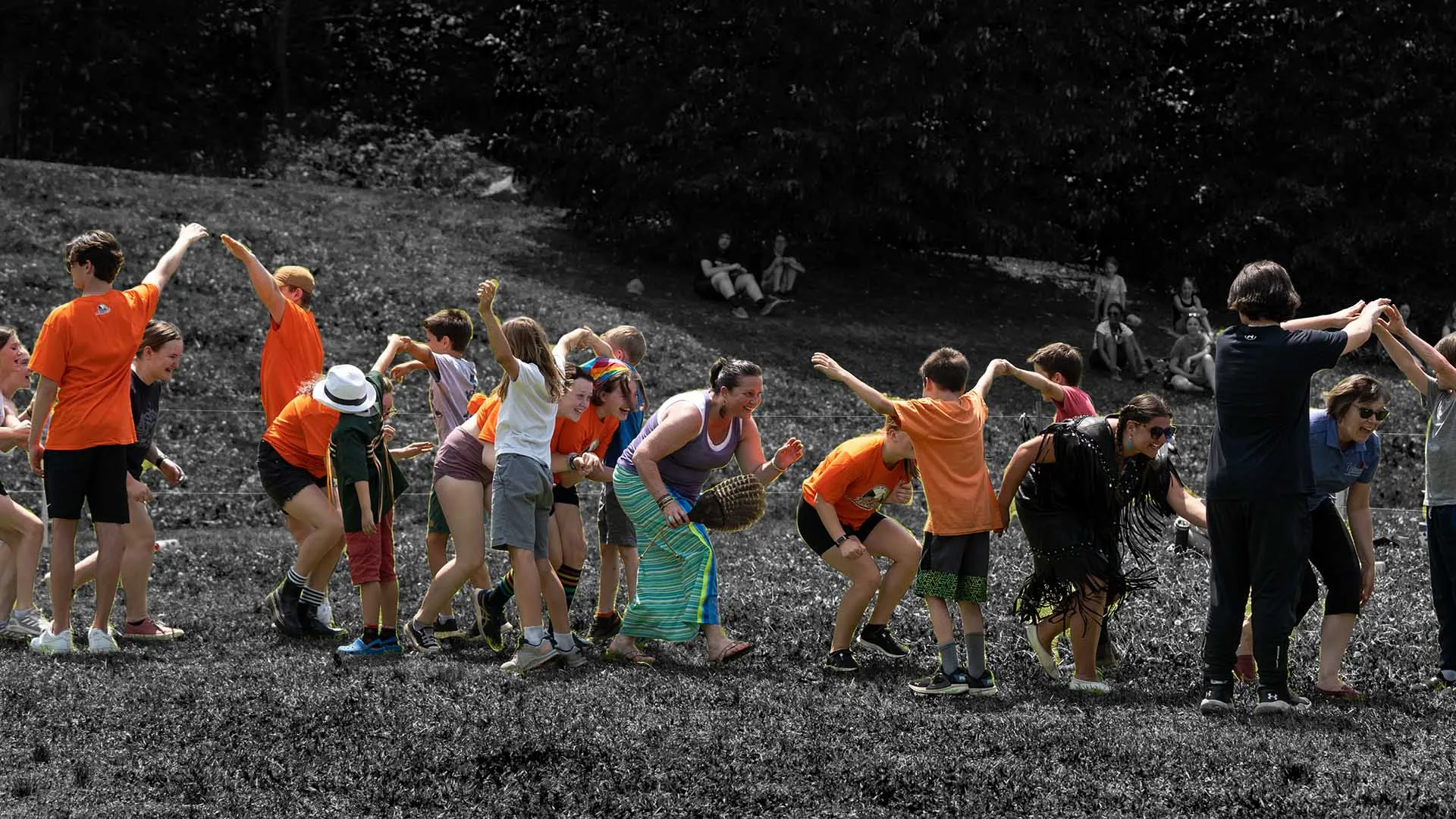
Interactive learning can also strengthen Indigenous classroom cultural awareness because students take part in the learning process instead of simply receiving information. Stories, songs, visual materials, discussions, demonstrations, and hands-on experiences can support different learning styles while giving cultural teachings greater context and meaning.
Use Storytelling to Support Understanding
Storytelling can communicate history, values, relationships, responsibilities, and cultural teachings in an accessible way. Educators can include Indigenous stories within carefully structured lessons and encourage students to consider the meaning, values, and relationships presented in them.
Combining storytelling with songs, visual materials, movement, and discussion can also make lessons more engaging. This approach reflects the idea that knowledge can be shared through many forms rather than relying only on written classroom materials.
Story-based learning can be especially useful when educators provide proper cultural context before and after the activity. Students can then reflect on what was shared instead of treating a story as an isolated classroom exercise.
Connect Learning With Land and Environment
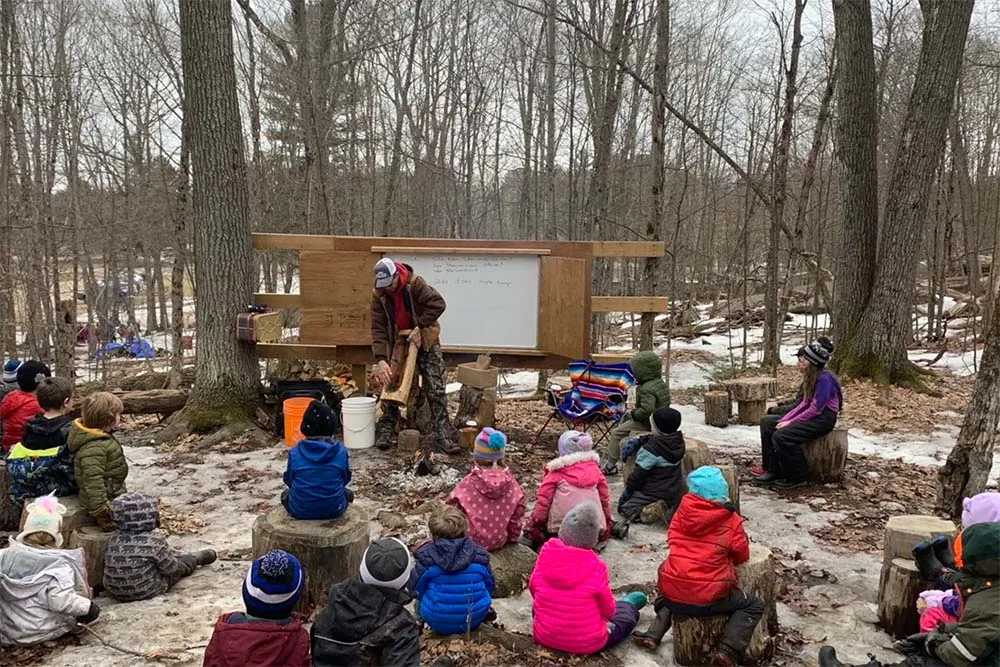
Land-based learning can help students understand relationships between culture, environment, and responsibility. A maple syrup experience, for example, can introduce traditional Haudenosaunee practices while connecting with lessons about seasonal knowledge, sustainability, gratitude, and relationships with the natural world.
These experiences can support subjects such as science, geography, and environmental studies while providing cultural context that goes beyond standard classroom instruction.
Outdoor learning should also be presented as more than recreation. Educators can explain why certain practices hold cultural importance, where the knowledge comes from, and why respectful participation matters.
Make Hands-On Learning Purposeful
Hands-on activities can help students remain engaged when each activity has a clear cultural and educational purpose. Traditional water drum workshops, for example, can combine making activities with storytelling, songs, tools, food, and shared learning.
The educational value comes from understanding the teachings and cultural context connected to the activity, not simply from creating an object.
Learning directly from an Indigenous educator can also provide students with cultural context alongside hands-on experiences. This can help educators present activities as part of a broader learning process rather than as disconnected classroom crafts.
Encourage Reflection After Cultural Experiences
Reflection gives students time to process what they have learned. After a workshop, story, presentation, or hands-on activity, educators can use short discussions, journals, written reflections, or creative responses to help students consider key ideas.
Reflection can focus on respect, responsibility, relationships, land, community, and connections with other areas of study. It can also give educators an opportunity to clarify misunderstandings and reinforce important cultural context.
Students should not be expected to speak on behalf of Indigenous communities. Instead, discussions can encourage thoughtful listening, careful observation, and respectful engagement with the perspectives that have been shared.
Learn From Indigenous Educators and Knowledge Holders
Direct engagement with Indigenous educators and knowledge holders can add depth and cultural grounding to classroom learning. Educational workshops can support subjects such as history, geography, social studies, science, language, and the arts while giving students opportunities to learn through participation.
This approach can also help students understand that Indigenous cultures are diverse. A program based on Haudenosaunee teachings, for example, represents a specific cultural tradition and should not be treated as representing every Indigenous nation or community.
Recognizing these differences supports greater accuracy and helps students develop a more informed understanding of Indigenous cultures, histories, and ways of knowing.
Conclusion
Incorporating Indigenous perspectives into the curriculum works best as an ongoing learning practice based on context, participation, respect, and meaningful connections with classroom goals. Storytelling, land-based learning, hands-on activities, reflection, and direct learning from Indigenous educators can all contribute to a richer educational experience.
For schools looking for Indigenous curriculum support in Ontario, culturally grounded and curriculum-connected experiences can provide practical ways to introduce Indigenous perspectives while supporting different learning styles and educational outcomes.
Bring Indigenous perspectives into learning through respectful, engaging experiences that support educators and help students develop deeper cultural understanding.

















Sign in to leave a comment.