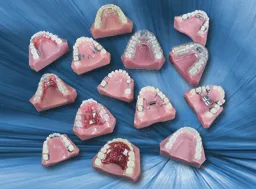

Modern orthodontic care depends on carefully planned appliances that support specific treatment objectives and patient needs. Behind every well fitted appliance is a detailed fabrication process that combines clinical information, precise measurements, appropriate materials, and careful quality control. An orthodontic appliance lab helps transform a dentist or orthodontist's treatment prescription into a functional appliance designed for individual use. Accurate fabrication can contribute to better fit, improved comfort, and smoother clinical workflows. By supporting the technical side of appliance production, laboratory services allow dental professionals to concentrate more fully on diagnosis, treatment planning, and patient communication.
Turning Clinical Prescriptions Into Appliances
Every orthodontic appliance begins with information supplied by the dental professional. Patient impressions, digital scans, photographs, measurements, treatment objectives, and specific design instructions can all influence the finished appliance. Laboratory technicians interpret these details carefully before fabrication begins. The process requires attention to appliance dimensions, material selection, component placement, and functional requirements. Clear communication between the dental practice and laboratory can reduce misunderstandings and help ensure that the finished appliance reflects the intended treatment plan. Consistent attention to these details supports predictable production and helps dental professionals receive appliances that are appropriate for their prescribed clinical applications.
Precision as a Foundation of Appliance Quality
Precision plays an important role throughout orthodontic appliance fabrication because even small inconsistencies can influence fit and function. Laboratory technicians work with detailed specifications to shape components, position wires, form acrylic sections, and finish surfaces according to the prescribed design. Depending on the appliance type, fabrication may involve traditional techniques, digital workflows, or a combination of both. Each stage requires careful inspection before the appliance is considered ready for delivery. A structured quality control process helps identify imperfections, dimensional concerns, or finishing issues that could otherwise affect the appliance's performance during clinical use.
Material Selection and Functional Design
Different orthodontic appliances require different materials because their intended purposes can vary considerably. Acrylics, wires, thermoplastic materials, and other specialized components may be selected according to the appliance design and treatment requirements. Material properties can influence durability, flexibility, comfort, appearance, and maintenance needs. A thoughtful fabrication process considers how these characteristics interact with the patient's clinical situation. Technicians must also pay attention to smooth finishing and appropriate component positioning. When materials and design features are selected carefully, the resulting appliance can better support the treatment objectives established by the dental professional while promoting practical patient use.
Supporting Efficient Dental Practice Workflows
A dependable laboratory relationship can help dental practices manage appliance production more efficiently. Instead of requiring clinical staff to handle complex fabrication tasks internally, laboratory technicians can manage technical production according to the submitted prescription. This division of responsibilities can save valuable chairside time and support more organized appointment scheduling. Efficient communication is especially important when several appliances or patient cases are being managed simultaneously. Accurate case documentation, clear instructions, and dependable turnaround procedures can help reduce avoidable delays. These processes allow dental teams to focus their attention on diagnosis, patient education, treatment monitoring, and other essential clinical responsibilities.
The Importance of Clear Case Communication
Communication between dental professionals and laboratory technicians can directly affect the fabrication process. Complete prescriptions provide essential information about appliance design, intended function, material preferences, and other relevant requirements. Digital files should be submitted accurately, while physical impressions should be properly prepared and labeled when applicable. Any special considerations should also be communicated before fabrication begins. When information is incomplete, additional clarification may be necessary, potentially affecting production schedules. Consistent communication creates a clearer workflow and helps both sides understand the expected outcome. This collaborative approach can support greater efficiency and reduce preventable production complications.
Improving Patient Comfort Through Careful Fabrication
Patient comfort is an important consideration when an orthodontic appliance is designed and fabricated. An appliance that fits appropriately can be easier for a patient to tolerate during daily wear. Smooth edges, properly finished surfaces, suitable dimensions, and carefully positioned components can contribute to a more comfortable experience. Laboratory technicians therefore need to consider more than basic structural requirements during fabrication. The appliance should also be prepared with practical patient use in mind. Although clinical evaluation remains essential, careful laboratory workmanship can provide the foundation for an appliance that supports both treatment objectives and everyday comfort.
Designing With Individual Patient Needs in Mind
Orthodontic treatment often involves patients with different ages, dental conditions, treatment goals, and lifestyle considerations. A standardized appliance may not always address every clinical requirement in the same way. Customized fabrication allows appliance features to reflect the prescription provided for a particular patient. Factors such as arch form, tooth position, available space, oral habits, and intended treatment stage can influence the design. By carefully following patient specific information, technicians can produce appliances that correspond more closely with the prescribed approach. Individualized fabrication can therefore play an important supporting role in treatment planning and appliance delivery.
Digital Technology in Appliance Production
Digital technology has introduced additional opportunities for improving accuracy and consistency within appliance fabrication. Digital impressions can provide detailed representations of dental structures without requiring traditional impression materials. Computer aided design can also assist technicians with appliance planning, component positioning, and dimensional control. Digital files may be stored and transferred efficiently, supporting communication between dental practices and laboratories. These technologies do not eliminate the importance of technical expertise. Instead, they provide additional tools that experienced technicians can use alongside established fabrication principles. A balanced digital workflow can help improve organization, repeatability, and precision throughout appropriate orthodontic appliance cases.
Combining Digital and Traditional Techniques
Although digital workflows continue to develop, traditional laboratory skills remain valuable for many orthodontic appliances. Certain cases may benefit from conventional impressions, manual adjustments, wire forming, acrylic processing, or finishing techniques. Experienced technicians can combine these methods according to the requirements of the appliance and the information provided by the dental professional. The most appropriate approach depends on the appliance design, available records, clinical prescription, and laboratory capabilities. Combining established craftsmanship with modern technology can create a flexible production process. This approach allows laboratories to address varied case requirements while maintaining attention to detail throughout fabrication.
Quality Control Before Appliance Delivery
Quality control should remain an important part of every appliance production workflow. Before an appliance reaches the dental practice, technicians can inspect its fit related characteristics, structural integrity, surface finishing, component placement, and overall appearance. Any identified concerns should be addressed before the appliance is considered complete. Careful inspection can help prevent avoidable problems from reaching the clinical setting. Documentation and standardized laboratory procedures can further support consistency between cases. A strong quality control process does not replace clinical evaluation, but it provides an additional level of technical review that supports the dental professional's overall treatment workflow.
Preparing Appliances for Clinical Use
Once fabrication and quality checks are completed, the appliance should be prepared appropriately for delivery to the dental practice. Proper packaging can protect the appliance during transportation and help maintain its condition. Case identification should also be accurate so that the appliance can be associated with the correct patient and prescription. Depending on the appliance, the laboratory may provide relevant handling or care information for the dental team to review with the patient. Organized delivery procedures can make the final stage of the laboratory workflow more efficient and help practices integrate completed appliances into scheduled clinical appointments.
The Value of Reliable Laboratory Collaboration
A strong working relationship between dental professionals and laboratory technicians can contribute to a more coordinated appliance production process. Reliability involves more than producing an appliance correctly. It can also include consistent communication, accurate case handling, dependable scheduling, careful documentation, and responsive support when questions arise. Dental professionals benefit from knowing that laboratory instructions are being reviewed and followed carefully. Technicians, in turn, benefit from receiving complete clinical information and timely clarification when needed. This collaborative relationship creates a practical connection between treatment planning and technical fabrication, helping both sides work toward consistent patient focused outcomes.
Supporting Long Term Treatment Goals
Orthodontic appliances can serve different purposes throughout a patient's treatment journey. Some appliances may guide dental movement, others may support retention, while additional designs can address specific functional or developmental considerations. Because each appliance has a particular purpose, fabrication must reflect the stage and objectives of treatment. A laboratory's attention to prescribed details can help ensure that the appliance is prepared according to its intended function. Ongoing communication also allows dental professionals to request adjustments when treatment circumstances change. This flexibility can support evolving clinical plans while maintaining a consistent focus on patient care and treatment objectives.
Conclusion
Precision fabrication connects laboratory craftsmanship with the clinical goals established by dental professionals. Accurate records, suitable materials, careful design, digital technology, quality control, and clear communication can all contribute to an effective appliance production process. When these elements work together, dental practices can receive appliances prepared with attention to fit, function, comfort, and individual patient requirements. A dependable laboratory partnership can also support efficient workflows and organized treatment delivery. For dental professionals seeking consistent technical support, Ohlendorf Appliance Laboratory provides a laboratory focused perspective on careful orthodontic appliance fabrication and the practical needs of modern dental care.
























Sign in to leave a comment.