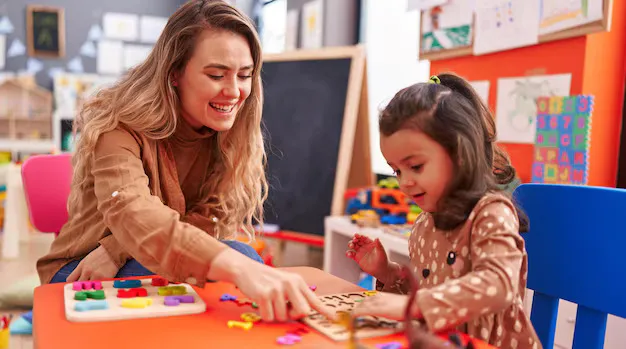

Early childhood is one of the most important stages of a child's development. During these formative years, children begin to understand the world around them, develop communication skills, build relationships, and discover their interests. A quality preschool environment provides opportunities for children to learn through everyday experiences, creative activities, and meaningful interactions.
For families exploring preschool Sherwood Park options, understanding how early learning influences a child's growth can help them make informed decisions about their child's educational journey.
1. Learning Through Play and Exploration
Play is much more than entertainment for young children. It encourages curiosity, creativity, problem-solving, and independent thinking. Activities such as building with blocks, solving puzzles, painting, and participating in pretend play help children explore new ideas while developing essential skills.
For example, building a tower introduces basic concepts of balance, shapes, and spatial awareness. Pretend play allows children to practise communication, express emotions, and understand different perspectives.
These everyday activities create a natural foundation for future academic learning.
2. Developing Social and Communication Skills
Preschool provides children with opportunities to interact with peers and adults outside their immediate family. Through group activities, shared games, and conversations, children gradually learn how to cooperate, listen, take turns, and express their needs.
They also begin to understand how to manage disagreements and respect other people's feelings. These experiences help develop empathy, patience, and confidence.
Learning to build positive relationships at an early age can make the transition to kindergarten and other educational settings easier.
3. Building Emotional Confidence and Independence
Early learning environments give children opportunities to make choices, try new activities, and complete age-appropriate tasks independently. Simple experiences, such as putting away toys, choosing a book, or participating in group activities, help children develop a sense of responsibility.
Supportive educators also help children recognise and communicate their emotions. When children feel safe expressing themselves, they can gradually develop emotional regulation and resilience.
Rather than expecting children to master everything immediately, effective early learning focuses on encouraging progress at each child's individual pace.
4. Encouraging Physical Development Through Active Learning
Physical activity plays an important role in early childhood development. Outdoor play, dancing, running, climbing, and movement-based games help children improve coordination, balance, strength, and motor skills.
Fine motor activities, including drawing, cutting with child-safe scissors, threading beads, and handling small objects, help develop the control needed for tasks such as writing.
Outdoor exploration also introduces children to nature, changing seasons, weather, and the environment. These experiences encourage observation and create opportunities to ask questions about the world.
5. Creating Strong Foundations for Future Learning
Preschool introduces children to early literacy, numeracy, and problem-solving in ways that feel engaging and age-appropriate.
Listening to stories supports vocabulary development and comprehension. Singing songs helps children recognise patterns and sounds, while counting objects introduces basic mathematical concepts.
Children also develop attention, memory, and the ability to follow instructions through daily routines and structured activities.
The goal is not to pressure children into formal academics too early. Instead, it is to nurture curiosity and establish positive attitudes toward learning that can support them throughout their education.
6. Why the Learning Environment Matters
A child's surroundings can influence how comfortable, confident, and engaged they feel. A welcoming environment with appropriate learning materials, opportunities for exploration, and supportive educators encourages children to participate and express themselves.
When comparing childcare sherwood park options, parents can consider several important factors:
- Qualified and caring educators: Look for professionals who understand children's developmental needs and encourage positive relationships.
- Play-based activities: Choose an environment that balances creative exploration, outdoor experiences, and age-appropriate learning.
- Small group ratios: Ask about group sizes and how educators provide individual attention.
- Healthy daily routines: Consider meals, rest periods, physical activity, and opportunities for independent skills.
- Emotional well-being: Look for an atmosphere where children feel safe, respected, included, and comfortable asking questions.
- Family communication: Regular updates and conversations can help parents understand their child's progress and experiences.
Visiting a centre, observing activities, and asking questions about its educational approach can help families determine whether it suits their child's needs.
7. The Importance of Family and Educator Partnerships
Children benefit when the important adults in their lives work together. Parents understand their child's personality, interests, routines, and individual needs, while educators can share observations about learning, friendships, and developmental progress.
Simple activities at home can reinforce what children experience at preschool. Reading together, talking about the day, exploring nature, preparing meals, and encouraging age-appropriate independence all provide valuable learning opportunities.
Consistent communication between families and educators helps create a more supportive experience for children as they grow and develop.
Conclusion
Early childhood education is about much more than preparing children for school. It helps them develop confidence, communication skills, emotional awareness, creativity, independence, and a lasting interest in learning. Through play, exploration, positive relationships, and supportive guidance, children can build strong foundations for their future.
For families seeking an early learning environment in Sherwood Park, Kidz In The Park is a licensed early learning centre welcoming children from 6 weeks to 12 years old. With experienced educators, a child-led approach, hands-on activities, outdoor learning, small group ratios, nutritious family-style meals, and a home-like atmosphere, Kidz In The Park supports children's emotional, social, physical, and academic growth while helping every child feel valued and encouraged throughout their learning journey.























Sign in to leave a comment.