
A generator purchase should be viewed as a long-term service relationship, which is why after sales service matters more than price deserves serious attention before selecting a supplier. The initial quotation is easy to compare, but the costs and support that follow installation can have a much greater influence on the generator's real value over several years.
A diesel generator may need routine servicing, emergency repairs, replacement parts, diagnostics, software or controller support, and technical inspections throughout its operating life. When reliable assistance is unavailable, even a relatively small fault can become a prolonged operational problem. This is why the right buying decision should balance equipment price with the quality of support behind it.

The Lowest Quotation Does Not Tell the Whole Story
Price is naturally important when purchasing capital equipment. Businesses have budgets, procurement targets, and internal approval limits to meet. The problem begins when the purchase decision treats the generator's invoice as the complete cost. The equipment will continue consuming fuel, requiring maintenance, and occasionally needing replacement components long after the purchase order has been closed.
A cheaper generator can therefore become more expensive if it requires frequent repairs, has higher maintenance costs, or is difficult to support. Conversely, paying more at the beginning does not automatically guarantee better value either. The important question is what the additional investment actually provides.
After-Sales Service Begins at Commissioning
After-sales support does not start when the first breakdown occurs. It begins with installation, commissioning, testing, and operator familiarization. A properly commissioned generator should be configured for the intended application and checked under appropriate operating conditions. Installation issues involving ventilation, exhaust, electrical connections, fuel systems, controls, or foundation can create problems later if they are not addressed correctly.
A supplier that provides strong commissioning support can help establish a better foundation for long-term reliability. This is an area where two generators with similar purchase prices can deliver very different ownership experiences.
Maintenance Keeps the Asset Productive
Every diesel generator needs preventive maintenance. Engine oil, filters, coolant, batteries, belts, hoses, fuel systems, air intake, electrical connections, and controls may all require scheduled inspection or servicing. A supplier with a capable service network can help establish a maintenance routine based on the generator manufacturer's recommendations and the actual operating conditions.
Without organized maintenance, small problems can remain undetected until they affect performance. The cost of regular servicing may seem like an additional expense, but it should be viewed in relation to the much larger cost of unexpected failure and equipment downtime.
Spare Parts Can Determine How Quickly a Problem Is Solved
One of the most overlooked aspects of generator ownership is parts availability. A generator can remain unavailable for days or longer because of one failed sensor, controller component, pump, belt, battery, or electrical part if the component is difficult to source.
Before buying, ask the supplier how commonly required parts are stocked and how special-order components are handled. It is also useful to understand whether the supplier provides genuine manufacturer parts or approved alternatives and how pricing is determined. A strong spare-parts network can reduce uncertainty and shorten repair cycles.
The Cost of Downtime Is Often Much Higher
The financial impact of generator failure depends on what the generator supports. If it powers a manufacturing line, an outage can interrupt production, affect schedules, waste material, or create overtime costs. In a commercial building, failure may disrupt essential operations. At a critical facility, the consequences may be even more significant.
This means the economic value of after-sales service is connected to the cost of downtime. A supplier that can diagnose faults quickly and arrange repairs or replacement equipment can potentially save the customer much more than the amount represented by a small difference in purchase price.
Warranty Terms Need a Closer Look
Warranty coverage is another reason not to compare suppliers only by price. A warranty should be examined in terms of what it covers, how claims are handled, which exclusions apply, and who is responsible for carrying out the repair.
Buyers should also understand whether scheduled maintenance must be performed according to specific requirements to preserve warranty coverage. A long warranty can be useful, but accessible service support is what turns warranty protection into a practical benefit.
Technical Expertise Matters After Installation
Generators can develop complicated faults that are difficult to diagnose from symptoms alone. A generator that struggles under load may have a fuel-delivery problem, air-intake restriction, engine issue, governor problem, or electrical fault. Unstable voltage or frequency can similarly have several possible causes.
A technician with experience on the specific generator configuration can investigate systematically instead of replacing parts based on guesswork. That expertise can reduce unnecessary repair spending and improve the speed of fault resolution.
Controller and Digital-System Support Is Increasingly Important
Modern generators can include electronic controllers, automatic start functions, protection systems, remote monitoring, event histories, and communication interfaces. These features can improve visibility and control, but they also require appropriate technical support.
Before buying, ask whether the supplier's technicians can diagnose controller faults, access relevant system information, and provide replacement components when required. A sophisticated feature is only valuable when the supplier can support it throughout the generator's operating life.
Fuel Costs Can Outweigh the Initial Price Difference
Fuel is frequently one of the largest recurring expenses associated with generator operation. The actual consumption depends on load, engine design, generator capacity, operating conditions, and maintenance. A machine that costs less to purchase can still have a higher long-term cost if its fuel performance is less favorable for the application.
This is another reason to consider total ownership economics rather than the purchase invoice alone. Fuel-related performance should be assessed using meaningful technical information and realistic expected operating conditions.
Installation Quality Affects Long-Term Support
A supplier's responsibilities should not end when the generator reaches the customer's site. Proper installation can influence cooling, exhaust performance, electrical reliability, vibration, accessibility, and maintenance requirements.
The supplier should explain what site preparation is necessary and whether installation and commissioning are included in the quotation. Clarifying these responsibilities early can help prevent a situation where a technical problem develops later and the supplier and installer disagree about who is responsible.
Annual Maintenance Contracts Can Add Predictability
An Annual Maintenance Contract can make ongoing generator servicing easier to manage, particularly when the customer does not maintain a large internal technical team. Depending on the agreement, an AMC can provide scheduled preventive maintenance, breakdown support, inspections, testing, and service documentation.
However, customers should read the scope carefully. Consumables, spare parts, major repairs, emergency work, and certain specialist services may be excluded. The value of an AMC comes from the actual coverage rather than the contract name.
What About Emission-Control Equipment?
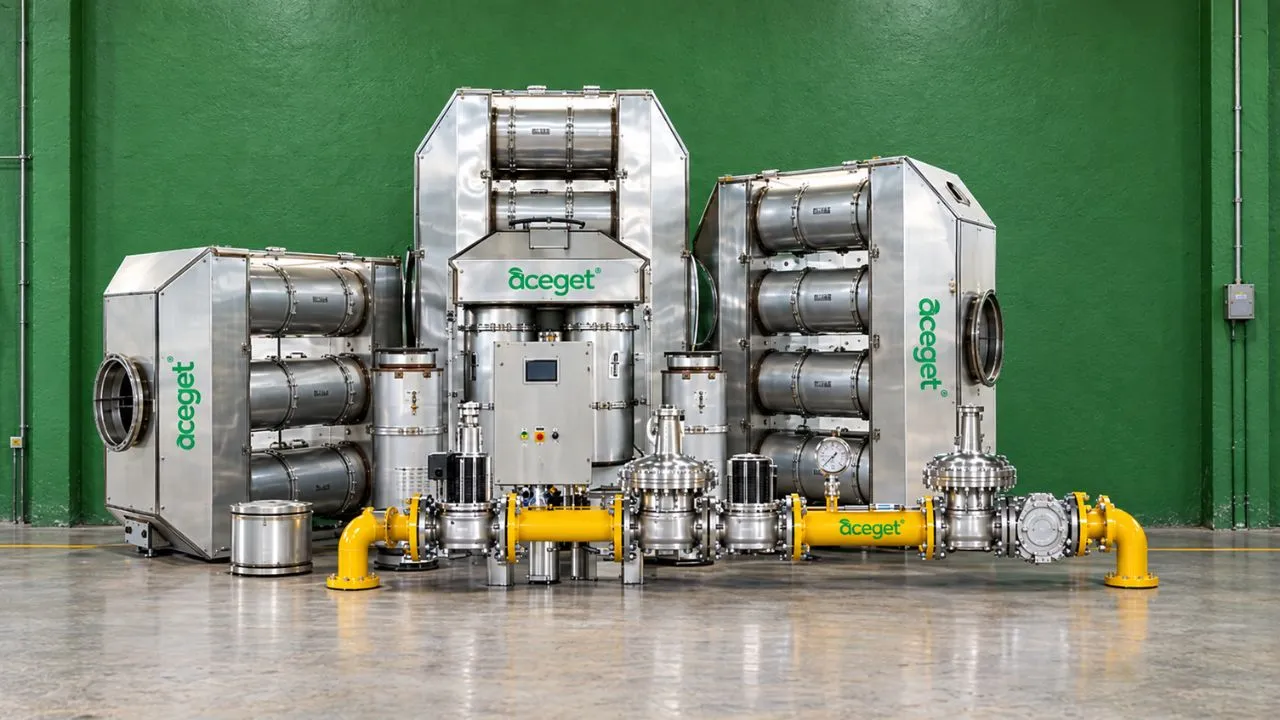
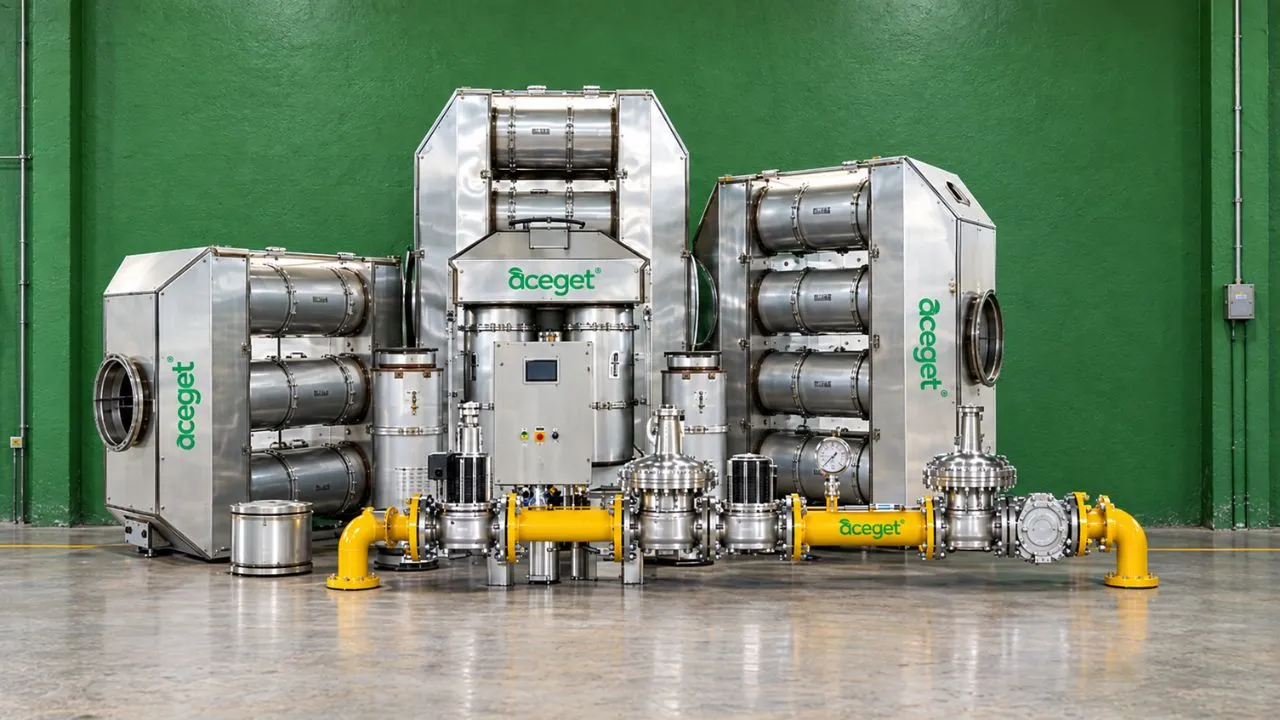
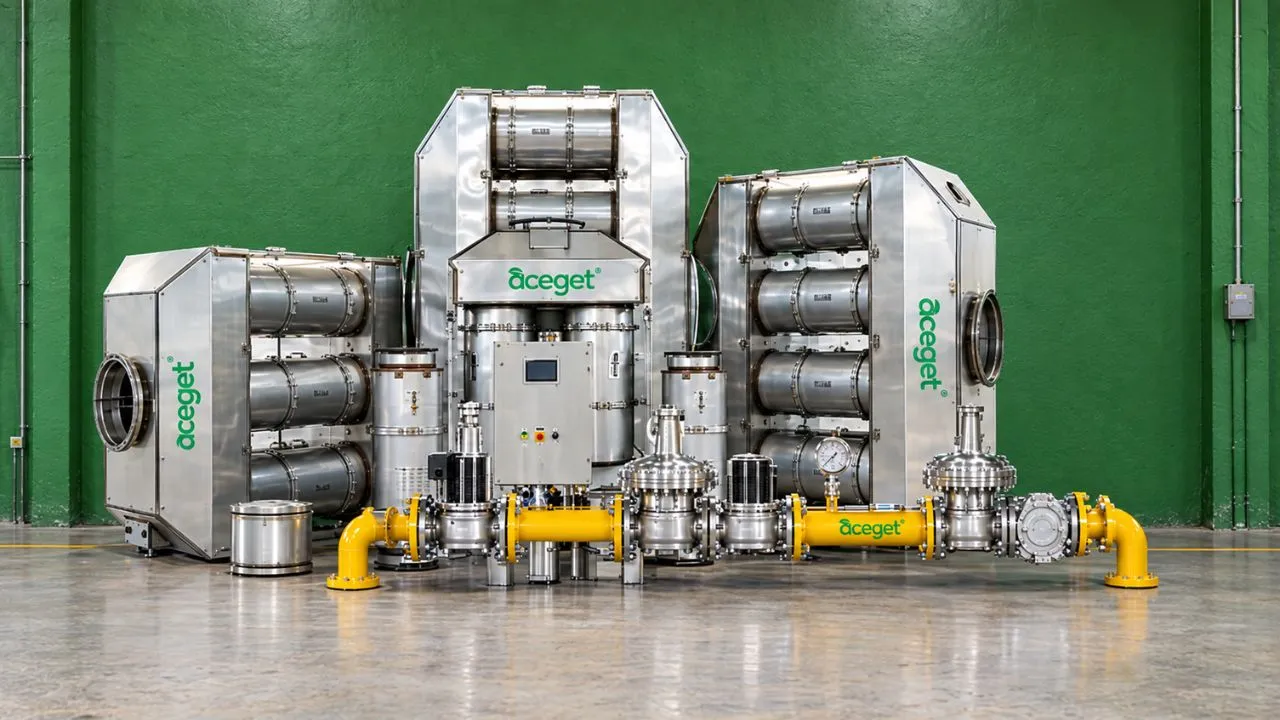
Generators operating with emission-control systems require attention to those systems as part of the overall maintenance program. Where a DG set RECD device is installed or being considered, buyers should examine technical compatibility, maintenance requirements, documentation, component availability, installation conditions, and ongoing service support.
An emission-control system should not be treated as a standalone purchase disconnected from the generator's operating condition. The engine, exhaust system, and emission-control equipment need to work appropriately together. CPCB requirements and related environmental directions can depend on generator specifications, capacity, location, application, and current regulatory provisions. Before installing or modifying an emission-control system, verify the latest applicable requirements directly with CPCB and, where relevant, the State Pollution Control Board, CAQM, or another competent authority. Product documentation, testing information, certification, and maintenance requirements should be reviewed for the specific installation.
Ask Who Will Support the Generator Five Years From Now
A generator is often retained for many years, so supplier longevity and support capability should be considered during procurement. Ask whether the supplier expects to continue supporting the model, whether spare parts will remain available, and whether technicians will have access to the necessary technical information.
A purchase decision that works well for the first twelve months may look very different after several years if support becomes difficult. Long-term serviceability should therefore be part of the original evaluation.
Look at Service Coverage in Your Location
A supplier may have an excellent reputation but limited technical coverage in the customer's area. Before purchasing, determine where the service team is based and how technicians reach your installation.
For remote sites, this consideration becomes especially important. Travel time, access challenges, and parts logistics can make a service network's geographic reach a significant factor in actual response time.
Documentation Is an Important Part of Service
Good after-sales support should create a useful technical history. Service reports can record operating hours, maintenance performed, replaced parts, faults identified, testing results, and recommendations.
Over time, this information helps technicians understand the generator's history and makes recurring problems easier to diagnose. It also increases transparency when ownership changes or the generator is eventually sold.
Compare Complete Ownership Value
Before making a final purchase decision, compare the generator's expected costs over several years rather than looking only at the initial price. Consider acquisition, installation, fuel, preventive maintenance, spare parts, repairs, service support, downtime exposure, emission-control requirements where applicable, and potential resale value.
This broader comparison may reveal that a generator with a higher purchase price is less expensive to own because it receives better support and experiences fewer costly interruptions.
Questions That Reveal a Supplier's Service Strength
The quality of a supplier can often be understood through the questions they are prepared to answer. Ask who will handle installation, how warranty claims are managed, what emergency service is available, how quickly spare parts can be sourced, whether AMC support is offered, and how complex faults are diagnosed.
Also ask what documentation will be provided and who remains responsible after commissioning. Clear, specific answers are more useful than broad promises about “complete support.”
Don't Sacrifice Basic Technical Quality for a Low Quote
After-sales service is important, but it should not be used to justify purchasing unsuitable equipment. The generator still needs to match the required electrical load, duty cycle, installation environment, operating hours, and technical specifications.
A strong service provider cannot compensate indefinitely for equipment that is incorrectly sized or unsuitable for the application. The best purchasing decision combines appropriate equipment with dependable support.
Conclusion
Price is an important part of buying a generator, but it should not be the only consideration. The true ownership cost develops over years through fuel consumption, maintenance, repairs, spare parts, installation, warranty support, and downtime. After-sales service can influence all of these areas. A responsive supplier can help maintain the generator, diagnose problems, source parts, manage warranty issues, and keep the equipment operational when dependable power is needed most. The strongest purchase is one that combines appropriate equipment, transparent commercial terms, competent installation, accessible spare parts, responsive service, and technical support that remains available throughout the generator's useful life.
Frequently Asked Questions
Why is after-sales service important when buying a generator?
A generator requires ongoing maintenance, troubleshooting, spare parts, and technical support. Good after-sales service can reduce downtime and make long-term ownership easier to manage.
Should I choose a cheaper generator if the specifications are similar?
Compare more than the initial quotation. Fuel consumption, warranty, service availability, spare parts, maintenance costs, installation support, and downtime risk can materially affect the total cost.
What should I ask about spare-parts support?
Ask about availability of common parts, expected sourcing time for special components, pricing, genuine or approved alternatives, and how urgent replacement requirements are handled.
Does a generator AMC include all repairs?
Not necessarily. AMC coverage varies and may exclude spare parts, consumables, major repairs, or specialist services. Review the written scope and exclusions carefully.
What should I ask about RECD support?
Ask about compatibility, installation, maintenance, replacement components, technical documentation, and testing information. Also verify the current CPCB and other applicable requirements for the specific generator and installation.





















Sign in to leave a comment.