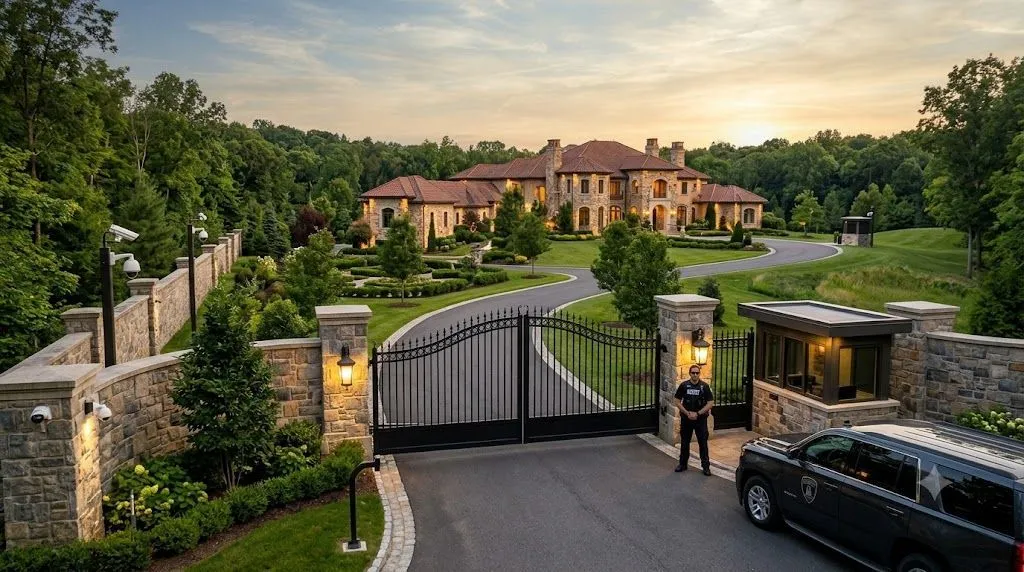

Luxury estates and private residences often require specialised protection to maintain safety, privacy and peace of mind. Large properties may include multiple entrances, landscaped grounds, guest accommodations, valuable assets and areas that require restricted access. Managing these security needs requires careful planning and a professional approach tailored to the property's layout and lifestyle.
Private estate security focuses on protecting residential properties, their occupants, visitors and assets from potential threats. Unlike standard residential security, it may involve a combination of trained security personnel, access control, surveillance systems and risk assessment. A well-designed security strategy helps property owners identify vulnerabilities and establish appropriate protective measures.
Key Components of Effective Estate Security
1. Professional Security Personnel
Trained security professionals play an important role in protecting private estates. Their responsibilities may include monitoring entry points, conducting patrols, observing unusual activity and responding to security concerns. Depending on the property's requirements, personnel can provide visible protection while maintaining discretion and respecting the privacy of residents and authorised guests.

2. Access Control and Visitor Management
Controlling who enters and exits a property is an essential part of estate protection. Visitor verification, entry procedures, staff access policies and vehicle checks can help reduce unauthorised access. Clear protocols also support the safe movement of contractors, delivery personnel and invited guests without unnecessarily disrupting daily activities.
3. Surveillance and Security Technology
Security cameras, alarm systems, perimeter monitoring and appropriate lighting can help improve awareness across a property. When integrated with established security procedures, these tools allow personnel to identify suspicious activity and respond more effectively. Technology should complement trained professionals rather than replace the need for sound judgement and physical security planning.
Why Private Estate Security Requires a Tailored Approach
Every estate has different security requirements based on its location, size, occupancy, surrounding environment and the preferences of its residents. A property with extensive grounds may need carefully planned perimeter protection, while a residence that frequently hosts guests may require more detailed visitor management and event-related security procedures.
A tailored private estate security plan begins with identifying potential vulnerabilities and evaluating realistic risks. This process can help determine suitable staffing levels, patrol arrangements, access restrictions, emergency procedures and technology requirements. Regular reviews are also valuable because property layouts, household routines and security risks can change over time.
Benefits of Professional Estate Security Services
Protecting Residents and Valuable Assets
Professional security measures can help reduce exposure to unauthorised entry, theft, trespassing and other potential risks. Visible patrols, controlled access and coordinated response procedures create a more structured approach to protecting residents, personal belongings and valuable property.
Maintaining Privacy and Discretion
Privacy is especially important for individuals and families who prefer to keep their routines and personal activities confidential. Discreet security practices help maintain appropriate boundaries while providing protection. Personnel should understand confidentiality, professional conduct and the importance of interacting respectfully with residents, household staff and visitors.
Supporting Emergency Preparedness
A reliable security plan should include procedures for emergencies, suspicious activity, medical incidents and unexpected security concerns. Clear communication channels and defined responsibilities help personnel coordinate their response. Periodic reviews and suitable training can further improve preparedness and help reduce confusion during stressful situations.
Choosing the Right Private Estate Security Provider
Selecting a security provider involves more than comparing services and prices. Property owners should consider personnel training, operational experience, communication practices, risk assessment capabilities and the provider's ability to adapt its approach to the estate's requirements.
It is also important to discuss confidentiality expectations, reporting procedures, emergency response protocols and coordination with existing household staff. A professional provider should explain how its proposed security measures address identified risks while respecting the property's daily routines and residents' privacy.
Strengthen Your Estate's Security Strategy
Private estate security combines professional personnel, practical procedures and appropriate technology to help protect people, property and privacy. By identifying vulnerabilities and implementing a tailored plan, estate owners can establish a more organised approach to residential protection.
Whether managing a secluded residence or a large luxury property, choosing suitable security measures can make a meaningful difference to preparedness and peace of mind.
Looking to enhance the protection of your private estate? Contact Global Threat Solutions to discuss your security requirements and explore tailored estate security services designed to support your property's safety, privacy and protection.






















Sign in to leave a comment.