Professional Concrete Leveling Solutions for Settled Areas in Battle Ground, WA

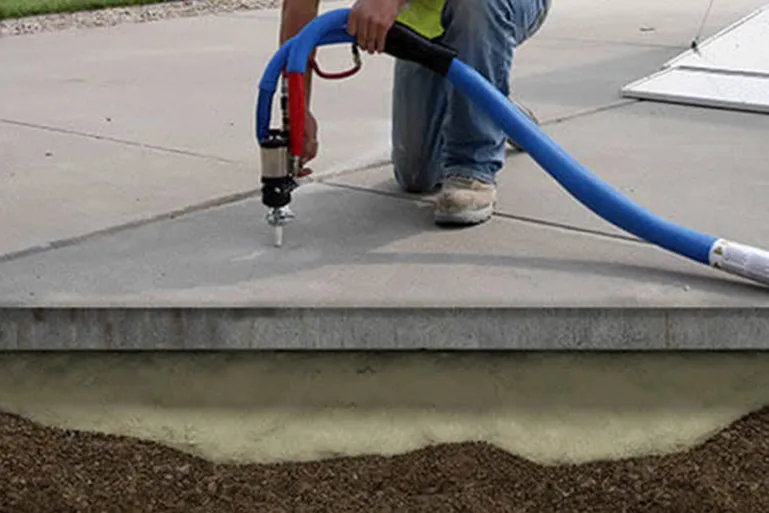
Concrete leveling solutions in Battle Ground, WA, can help raise sunken driveways, sidewalks, patios, and other concrete slabs when the existing surface is suitable for repair. The process typically involves injecting a lifting material beneath the slab to fill voids and bring the concrete closer to its original level.
The right approach depends on the slab’s condition, the cause of settlement, drainage, and ground stability. This guide explores common concrete leveling methods, their benefits and limitations, how local weather can affect concrete settlement, and what property owners should consider before hiring a contractor.
Why Do Concrete Slabs Settle In Battle Ground, WA?
Uneven concrete often develops when the ground beneath a slab can no longer provide even support. Identifying the cause helps property owners decide whether leveling is suitable or a more extensive repair is needed.
Common causes include:
- Soil settlement: Loose or poorly compacted soil can shift over time, leaving sections of a driveway or patio lower than others.
- Water erosion: Rainwater flowing beneath concrete can wash away supporting soil and create empty spaces.
- Drainage problems: Water collecting near slab edges can weaken the ground and contribute to uneven surfaces.
- Tree roots and ground movement: Roots or changes in soil moisture can affect nearby walkways, paths, and other concrete areas.
In Battle Ground, wet weather makes drainage worth checking when concrete begins to sink. However, the cause should be assessed at the property rather than assumed from the location alone.
How Do Concrete Leveling Solutions Work?
Concrete leveling solutions can help restore support beneath a settled slab without removing all the existing concrete. A contractor first inspects the surface and then recommends a method based on the damage, access, and condition of the supporting ground.
Polyurethane Foam Injection
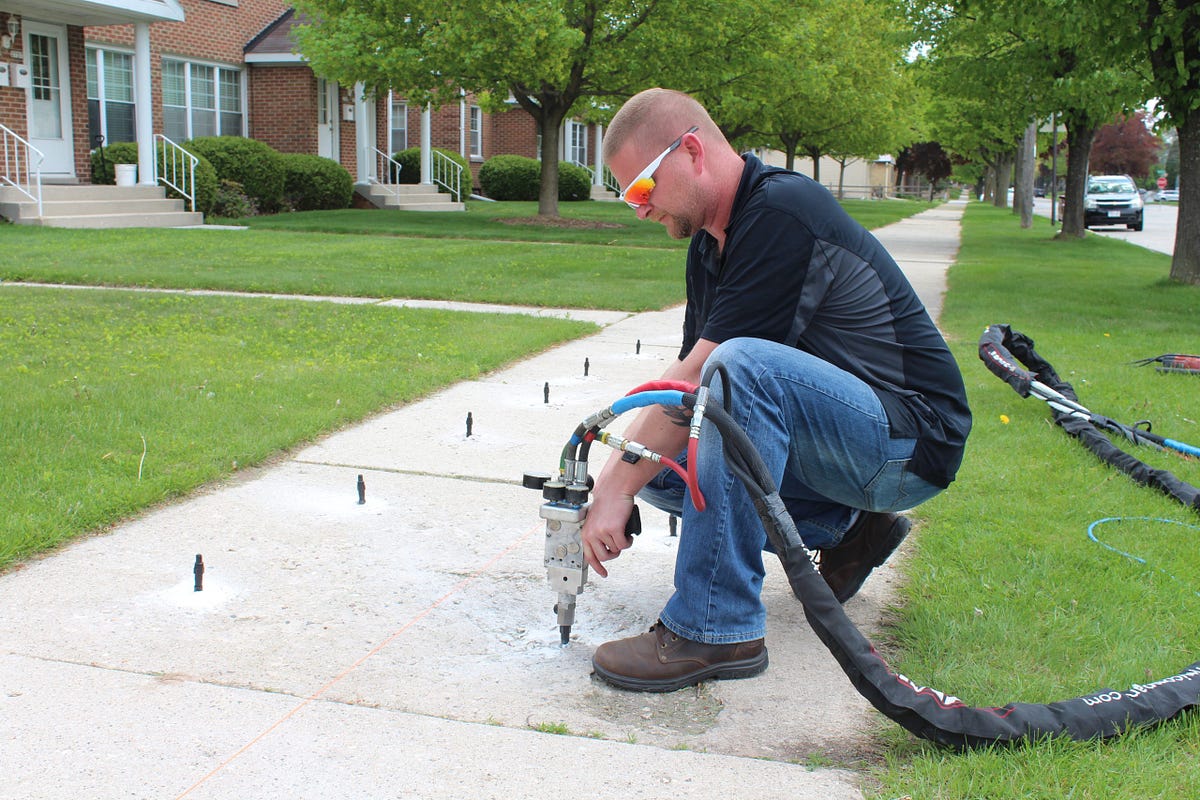
This method uses expanding polyurethane foam injected through small holes drilled into the concrete. As the foam expands, it fills suitable gaps and can lift the slab in a controlled way.
The process generally requires less demolition than full replacement. However, the contractor must control the amount and placement of foam to avoid lifting the slab too far.
Mudjacking
Mudjacking uses a pump to push a cement-based slurry beneath the slab. The material fills voids and raises the concrete toward the desired level.
It is another option for suitable settled slabs. Because the slurry is heavier than polyurethane foam, the contractor should consider the condition of the supporting soil before recommending it.
Concrete Replacement
Replacement involves removing the damaged slab and installing new concrete. It may be the better option when the existing surface is severely broken, badly deteriorated, or unsuitable for lifting.
Which Concrete Leveling Method Is Best?
Each method has different uses, costs, and limitations. A site inspection helps determine which approach is appropriate for the slab and the problem beneath it.
| Factor | Polyurethane Foam | Mudjacking | Concrete Replacement |
| Method | Expanding foam injected beneath the slab | Cement-based slurry pumped beneath the slab | Damaged concrete removed and replaced |
| Best suited for | Suitable for settled slabs with repairable support gaps | Suitable slabs that can be raised with slurry | Severely damaged or unsuitable slabs |
| Site disruption | Usually small injection holes and limited excavation | Drilling and pumping equipment required | Demolition, removal, and new installation |
| Main limitation | Cannot correct every structural or soil problem | Adds weight beneath the slab | Requires more extensive work and curing time |
No single method suits every property. A contractor should explain why a recommended repair fits the slab's condition and what it can realistically achieve.
What Are The Benefits And Limitations Of Slab Leveling Services?
Leveling can extend the useful life of suitable concrete and reduce the need for demolition. Its results still depend on the slab's condition and whether the cause of settlement is addressed.
Benefits
- Less demolition: Suitable slabs may be raised without removing and replacing the entire concrete surface.
- Improved access: Correcting uneven sections can reduce abrupt height changes on walkways, patios, and driveways.
- Less cleanup: Injection-based methods generally involve less demolition debris than full replacement.
- Potentially faster use: Some leveling methods allow the repaired area to return to service sooner than new concrete, depending on the material and installation requirements.
Limitations
- Existing damage may remain: Leveling does not automatically repair deep cracks, surface flaking, or badly broken concrete.
- Settlement can return: If drainage or ground instability remains unresolved, the slab may move again.
- Results depend on the site: The slab's thickness, condition, and underlying support affect the repair's suitability.
How Can Property Owners Recognize A Concrete Leveling Problem?
Small changes in a concrete surface can indicate a developing support problem. Addressing the issue early may provide more repair options than waiting until the slab breaks apart.
Uneven Driveways And Sidewalks
A raised edge beside a sunken panel can create a trip hazard. Concrete leveling may improve the transition if the affected panels remain sound enough to lift.
Gaps Between Concrete And Nearby Structures
A widening gap between a patio and the house may indicate that the slab has moved away from the structure. The cause should be inspected before deciding on a repair, particularly if there are also signs of building or foundation movement.
Water Collecting In Low Areas
Pooled rainwater can make a walkway slippery and may point to an uneven surface or drainage issue. Leveling can correct some low spots, but grading and drainage may also need attention.
How Does Battle Ground Weather Affect Concrete Leveling?
Rain and wet ground can complicate site preparation and make drainage problems more noticeable. Water that flows beneath a slab may remove soil or weaken its support, allowing the concrete to settle.
Before arranging uneven concrete repair, property owners should check downspouts, standing water, and visible erosion around the affected area. Fixing these problems can help reduce the risk of further movement.

Drier weather may make access and preparation easier, but the best installation time depends on the method, product instructions, and actual site conditions. A contractor should assess these factors rather than promise that a particular season guarantees better results.
How Can Property Owners Choose A Concrete Leveling Contractor?
The right contractor should explain the cause of settlement, the proposed method, and the limits of the repair. Property owners should compare written estimates and ask what is included before approving the work.
Useful questions include:
- What is causing the slab to settle, and does that issue need separate attention?
- Is the concrete strong enough to lift, or is replacement more suitable?
- Does the estimate include preparation, sealing injection holes, and cleanup?
- What warranty is provided, and what conditions could affect coverage?
For projects in Washington, property owners can use the official Washington State L&I contractor verification tool to check contractor registration and related information. The state also recommends reviewing bids, references, and written contract terms before hiring.
Contact Spray-On Foam & Coating Inc.
Spray-On Foam & Coating Inc. provides residential and commercial insulation and coating services, including spray foam roofing and roof coatings. Concrete leveling is not included in the supplied service list, so property owners should contact the company to confirm whether this service is available or whether it can recommend a suitable provider.
- Email: [email protected]
- Phone: (360) 667-1993
Frequently Asked Questions
Can Concrete Leveling Fix A Sloping Driveway?
Yes, if settlement caused the slope. A contractor should check drainage to ensure water flows away from the home.
Can Underground Pipes Affect Concrete Leveling?
Yes, pipes and utility lines must be considered before drilling to help prevent damage.
Should Furniture Be Removed Before Concrete Leveling?
Yes, removing furniture, planters, and other items helps provide clear access to the work area.
Will Concrete Leveling Remove Existing Cracks?
No, leveling corrects the slab's height, but existing cracks, stains, and surface damage may remain visible.
Author And Reviewer
Author: I’m Nick Urban, Vice President of Spray-On Foam & Coating. I’ve worked in construction since 2003 and spent 18 years as an electrician. In 2022, I bought into Spray-On with my brother, Steve, who is now President and has worked in construction since 1998, including two years as an electrician. Mike Homola, our Lead Estimator, has been part of Spray-On for decades. His father-in-law, Roger Tikka, started the company in 1973, and Mike began working in the field here in the 1990s before moving into the office. He continues to work with the company today and remains a shareholder.
Reviewer: Jack Parker, a spray foam professional with 7 years of experience, reviewed this post and helped improve sections dealing with brand clarity and customer communication.






Sign in to leave a comment.