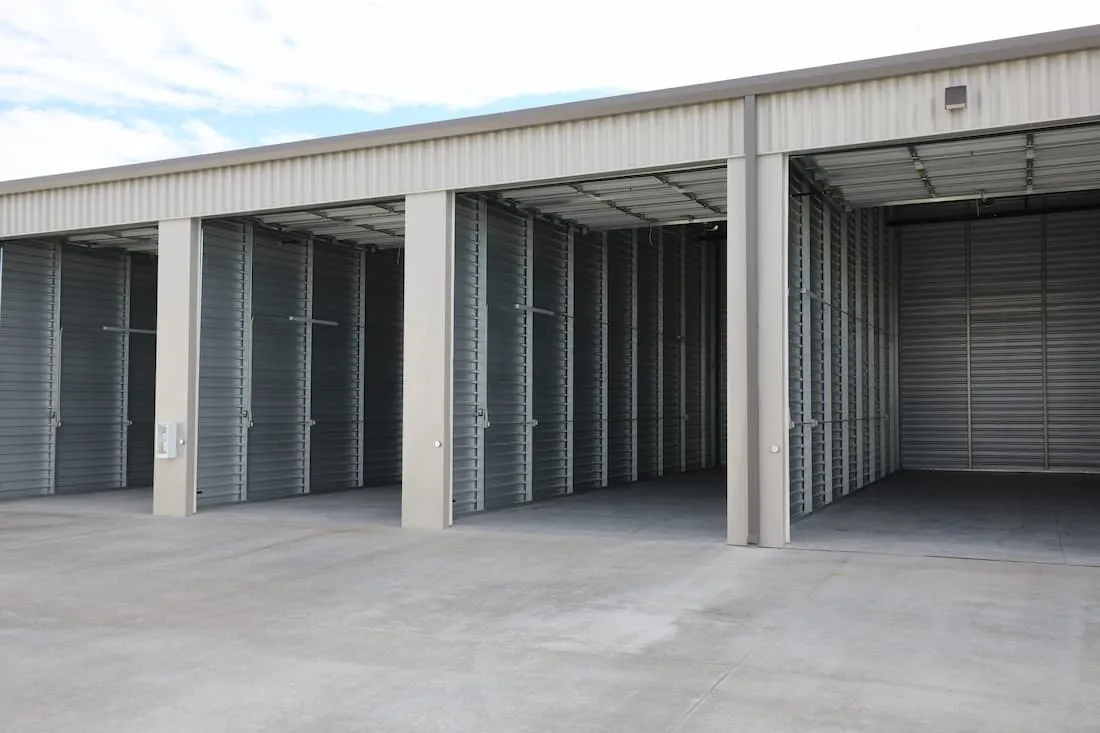

Classic vehicles often represent years of craftsmanship, history, personal attachment, and financial value. Their preservation requires more than occasional cleaning because changing temperatures, dust, sunlight, moisture, and limited space can gradually affect their condition. For owners who want dependable protection between drives, classic car storage in Bullhead can provide a practical solution for maintaining vehicle quality. A suitable storage environment helps reduce exposure to common outdoor hazards while giving valuable automobiles a dedicated space. Proper storage also supports easier maintenance routines and keeps the vehicle prepared for future road use.
Protecting Valuable Vehicle Components
Classic automobiles contain many components that can become vulnerable when exposed to unsuitable conditions for extended periods. Paint finishes may fade under strong sunlight, rubber materials can deteriorate, and interior surfaces may suffer from heat and dust. A dedicated storage space helps reduce these concerns by limiting direct environmental exposure. Owners can also prepare vehicles carefully before storage by cleaning exterior surfaces, checking fluid levels, inspecting tires, and protecting interior materials. These simple steps create a stronger preservation routine and help reduce the possibility of avoidable deterioration during periods when the vehicle remains unused.
Reducing Exposure to Bullhead Weather Conditions
Bullhead experiences weather conditions that can create challenges for vehicles kept outside for extended periods. Strong sunlight and heat can place additional stress on exterior finishes, dashboards, seals, tires, and other materials. Dust can also settle into difficult areas and create cleaning challenges when a vehicle remains stationary. Covered storage offers an added layer of protection against these conditions. By keeping a classic automobile away from direct outdoor exposure, storage can help maintain its appearance and reduce unnecessary environmental stress. Consistent protection becomes particularly valuable when the vehicle is stored for several weeks or months.
Limiting Sun and Heat Exposure
Extended exposure to intense sunlight can gradually affect a classic vehicle's exterior and interior surfaces. Paint may lose some of its visual depth, while upholstery, dashboards, and trim can become increasingly vulnerable to heat. Covered storage reduces direct exposure and creates a more controlled environment for the vehicle. Although storage cannot eliminate every maintenance requirement, it can reduce several external factors that contribute to gradual wear. Owners can further support preservation by using suitable interior covers, maintaining ventilation where appropriate, and checking the vehicle regularly. These practices help protect both appearance and functionality over longer storage periods.
Supporting Better Interior Preservation
The interior of a classic vehicle can require special attention because older materials may respond differently to heat, dust, and moisture. Leather, fabric, vinyl, wood trim, and specialized finishes can all benefit from a cleaner and more protected environment. Before placing a vehicle into storage, owners can remove unnecessary items, vacuum carpets, clean upholstery, and apply suitable products according to material requirements. A protected storage space then helps keep the interior away from excessive dust and direct sunlight. Regular inspections can identify early signs of moisture, pests, or material changes before minor concerns become more difficult to address.
Maintaining Exterior Appearance
A classic vehicle's appearance is often one of its most important characteristics, especially when its original finish and distinctive details contribute to its historical appeal. Outdoor parking can expose the exterior to dust, sunlight, bird droppings, tree debris, and other contaminants. A dedicated storage environment helps minimize these exposures and can make routine cleaning easier. Owners should still wash and dry the vehicle properly before storage and use appropriate protective materials when needed. Keeping the exterior clean before storage reduces the chance of contaminants remaining on painted surfaces for prolonged periods and supports long term appearance management.
Improving Tire and Mechanical Care
Storage preparation should involve more than protecting visible surfaces because mechanical and tire related concerns can also develop when a classic vehicle sits unused. Owners can inspect tire pressure, check fluid levels, examine battery condition, and follow manufacturer guidance for extended storage. Moving the vehicle periodically may also help prevent certain problems, provided appropriate procedures are followed. A suitable storage arrangement gives owners a dedicated location where these maintenance tasks can be performed more systematically. Organized care helps reduce the possibility of overlooking important checks and keeps the automobile better prepared when it is eventually returned to regular driving.
Creating an Organized Maintenance Routine
A well planned storage routine allows owners to keep track of maintenance tasks rather than relying on memory. Important information can include the storage date, tire pressure, fluid checks, battery condition, cleaning schedule, and any repairs that need attention. Keeping these records makes it easier to understand how the vehicle has been maintained over time. Owners may also create a checklist for inspections before and after storage periods. An organized approach can reduce unnecessary delays and help identify changes in vehicle condition. This level of consistency is especially useful for automobiles that receive limited driving time throughout the year.
Choosing Storage Features Carefully
Different storage spaces can provide different levels of protection, convenience, accessibility, and security. Owners should consider how easily the vehicle can be accessed, whether the space offers adequate coverage, and whether the surrounding environment appears clean and well maintained. Security features can also be important when storing a valuable automobile for an extended period. Lighting, access procedures, surveillance, gated entry, and general property management may influence the overall storage experience. Evaluating these features before selecting a storage space allows owners to match the facility environment with the vehicle's preservation requirements and personal maintenance habits.
Considering Space and Accessibility
A classic automobile needs sufficient room around it so that doors, storage equipment, and maintenance materials can be handled without unnecessary risk. Tight spaces can make entering or leaving difficult and may increase the possibility of accidental contact with nearby objects. Convenient access is equally important for owners who plan to inspect or drive the vehicle regularly. A suitable storage arrangement should allow comfortable movement around the automobile while leaving enough space for basic checks. Good accessibility also makes routine maintenance less complicated and encourages owners to inspect the vehicle consistently throughout the storage period.
Preparing a Classic Vehicle Before Storage
Proper preparation can significantly influence how well a classic automobile handles an extended storage period. Owners should begin by thoroughly cleaning the exterior and interior because dirt, moisture, and residue can become more problematic when left untouched. The vehicle should be completely dry before being covered or placed inside storage. Tire pressure should be checked, windows and seals should be inspected, and fluids should be reviewed according to appropriate maintenance guidance. Battery care should also follow vehicle specific recommendations. These preparations create a stronger foundation for protecting the automobile and reducing preventable concerns during storage.
Using Suitable Protective Materials
Protective covers can provide additional value when they are designed for the vehicle and used correctly. A breathable cover may help reduce dust accumulation while allowing appropriate airflow, whereas unsuitable materials can trap moisture against surfaces. Owners should select products based on the vehicle's finish, storage conditions, and manufacturer recommendations. Interior protection may also involve covering seats, dashboards, or delicate trim where suitable. Protective materials should be kept clean and inspected regularly. Combining proper covers with a protected storage environment can provide broader preservation support without replacing routine cleaning and maintenance responsibilities.
Checking the Vehicle During Storage
Long term storage should not mean completely forgetting about the vehicle until the next planned drive. Periodic inspections allow owners to identify changes that might otherwise remain unnoticed. During an inspection, the automobile can be checked for dust, moisture, tire condition, unusual odors, pest activity, battery concerns, and visible changes to the exterior or interior. Maintenance records can be updated after each inspection to create a useful history. Regular attention also provides an opportunity to address small concerns earlier. A consistent inspection schedule therefore supports better preservation and gives owners greater awareness of their vehicle's condition.
Maintaining Security and Peace of Mind
Security is another important consideration when valuable classic automobiles are stored away from home. Owners may look for storage environments with controlled access, adequate lighting, secure entry points, and monitoring measures. These features can help reduce concerns associated with leaving a valuable vehicle unattended for long periods. Personal security practices also matter, such as keeping keys and access information protected and avoiding unnecessary sharing of storage details. A secure storage environment supports physical protection while also making ownership more convenient. When owners feel confident about where the vehicle is kept, regular maintenance and inspection routines can become easier to maintain.
Making Storage Part of Long Term Vehicle Care
Storage works most effectively when it becomes one part of a broader classic vehicle maintenance strategy. Cleaning, inspections, mechanical servicing, fluid management, tire care, battery attention, and responsible driving habits all contribute to preservation. Storage helps reduce environmental exposure, but it cannot replace regular professional maintenance or manufacturer recommended service procedures. Owners should therefore view protected storage as a supporting measure rather than a complete maintenance solution. Combining a suitable storage environment with consistent care can help maintain the vehicle's condition and appearance while reducing unnecessary exposure to conditions that may accelerate deterioration.
Conclusion
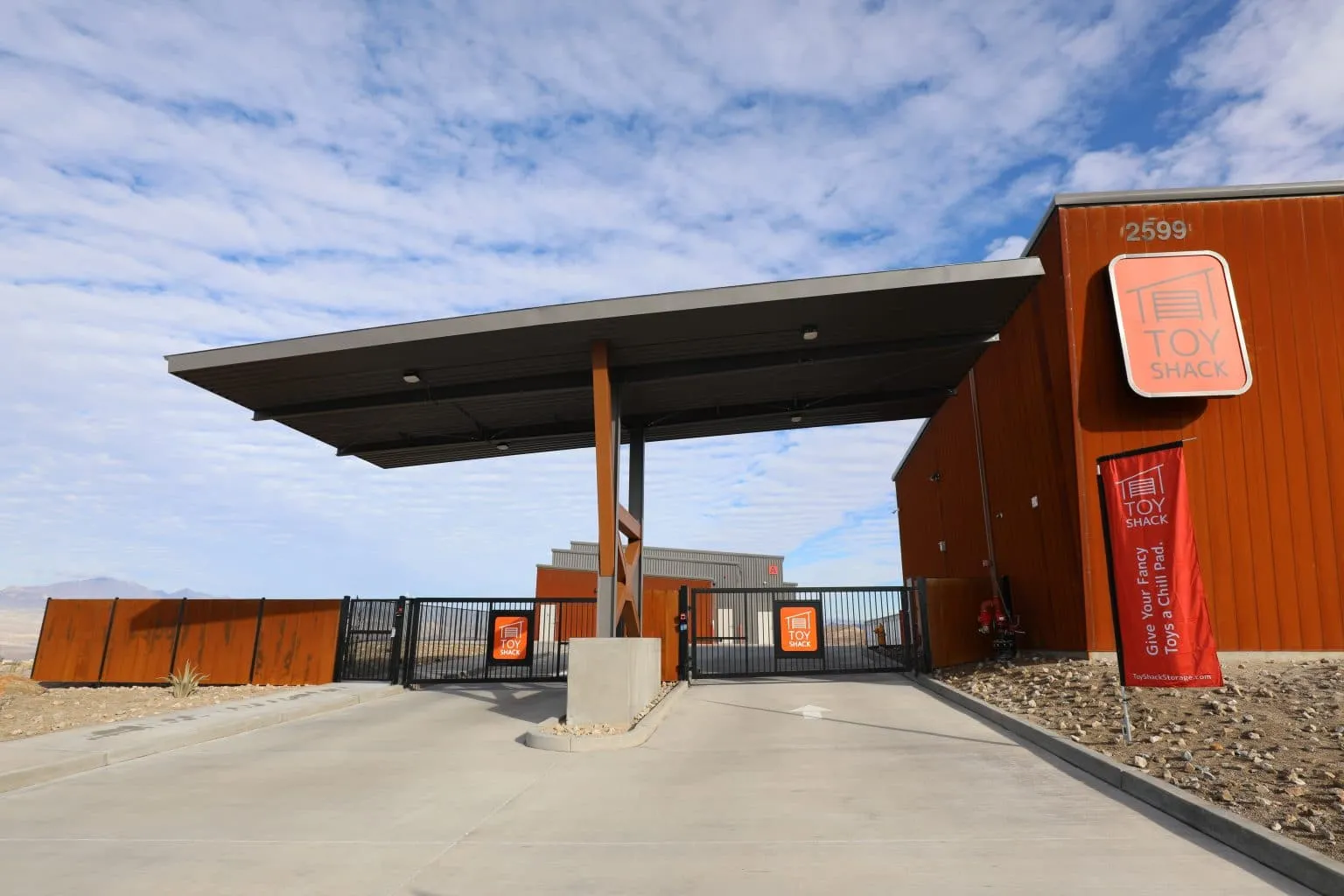
Preserving a classic automobile requires careful attention to both routine maintenance and the environment in which the vehicle is kept. Sunlight, heat, dust, moisture, pests, and prolonged outdoor exposure can create gradual challenges for valuable vehicles. A suitable storage environment provides additional protection while making inspection and maintenance more organized. Owners can strengthen this approach through careful preparation, suitable protective materials, regular checks, and appropriate security measures. For those seeking dependable space and practical vehicle protection, Toy Shack Storage LLC can be considered as part of a long term strategy for keeping classic automobiles protected and ready for future enjoyment.























Sign in to leave a comment.