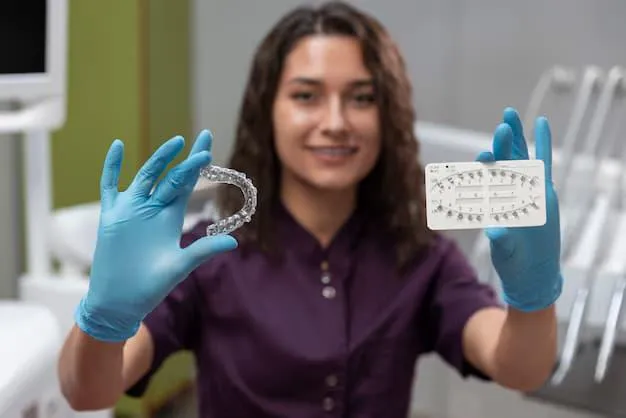

Nighttime teeth grinding and clenching can place considerable pressure on teeth, restorations, and jaw muscles without a person realizing it is happening. Repeated contact between the upper and lower teeth may gradually contribute to enamel wear, sensitivity, small fractures, and morning jaw discomfort. A properly fitted oral appliance can provide a protective barrier during sleep and help reduce direct contact between dental surfaces. For individuals experiencing these concerns, custom night guard protection can offer a personalized approach designed around individual dental characteristics, comfort needs, and nighttime habits while supporting better long term oral health.
Understanding Nighttime Teeth Grinding
Recognizing Bruxism
Teeth grinding and clenching during sleep are commonly associated with a condition known as bruxism. Because these movements occur unconsciously, individuals may not realize they are placing excessive pressure on their teeth throughout the night. Some people discover the problem because a dental professional notices unusual tooth wear, while others experience symptoms such as morning jaw soreness, headaches, tooth sensitivity, or facial tension. Recognizing these signs can encourage timely evaluation. Early attention may help reduce the effects of repeated pressure and support the preservation of healthy natural tooth structure.
Identifying Possible Causes
Nighttime grinding can have several contributing factors, and the exact cause may differ from one person to another. Stress, changes in sleep patterns, certain medications, lifestyle habits, and dental characteristics may be associated with clenching or grinding. Because the behavior can have multiple influences, simply wearing an oral appliance may not address every underlying factor. A professional dental evaluation can help identify signs of excessive tooth contact and determine whether additional care may be appropriate. Understanding the possible contributors can support a more complete approach to managing nighttime dental concerns.
How a Nighttime Appliance Protects Teeth
Creating a Protective Barrier
A nighttime appliance creates separation between the upper and lower teeth, reducing direct contact when clenching or grinding occurs. This barrier can help limit the amount of friction and pressure transferred directly to the tooth surfaces. The appliance does not necessarily stop the muscles from attempting to grind, but it can provide protection against repeated tooth to tooth contact. By reducing this direct interaction, nighttime protection may help preserve enamel and reduce stress on dental restorations. Professional assessment can determine whether this type of protection is appropriate for an individual.
Supporting Natural Tooth Structure
Enamel is the hard outer layer of a tooth, but substantial enamel loss cannot naturally be restored by the body. Repeated grinding can gradually wear down tooth surfaces and may expose more sensitive underlying structures. Protecting teeth from unnecessary mechanical forces can therefore be an important preventive measure for people who grind regularly. A suitable appliance can complement other forms of dental care by reducing direct contact during sleep. Regular examinations can also help monitor changes in tooth surfaces and determine whether additional preventive or restorative treatment is necessary.
Benefits of Personalized Fitting
Improving Stability
A personalized appliance is designed according to the individual’s dental structure rather than relying on a generic shape. This can help improve stability during sleep and reduce the likelihood of movement inside the mouth. A stable appliance may also feel more comfortable and make regular use easier. Proper fit is especially important because an appliance that shifts or causes irritation may discourage consistent use. Dental professionals can assess the bite and tooth arrangement before fitting the appliance, helping create a solution that supports both protection and practical nighttime comfort.
Enhancing Comfort
Comfort can have a major influence on whether an individual continues using nighttime dental protection. An appliance that feels excessively bulky, causes pressure, or irritates oral tissues may interfere with sleep. Personalized fitting allows the appliance to be shaped with greater attention to individual dental anatomy. If discomfort develops after use begins, a professional evaluation can determine whether adjustment is necessary. Individuals should not continue using an appliance that causes significant pain or persistent irritation without seeking guidance. Properly managed fitting can make nighttime protection easier to incorporate into a regular sleep routine.
Protecting Teeth From Excessive Wear
Reducing Repeated Friction
Grinding involves repeated movement between the teeth, which can create friction across enamel surfaces. Over months or years, this repeated activity may produce noticeable changes in tooth shape and surface texture. Individuals with stronger grinding habits may experience more rapid wear than those with occasional clenching. Nighttime protection can reduce direct contact between the teeth and help limit friction. It should be viewed as a preventive measure rather than a cure for the underlying behavior. Regular dental examinations remain important for monitoring the progression of tooth wear.
Limiting the Risk of Damage
Excessive nighttime pressure may contribute to chipped edges, cracks, sensitivity, and other dental problems. Teeth that have already been weakened by decay, previous treatment, or significant wear may require particular attention. A protective appliance can provide an additional layer between dental surfaces and help reduce some of the forces associated with grinding. However, it cannot guarantee that damage will never occur. Professional assessment remains important when an individual notices new pain, visible tooth changes, or sensitivity because these symptoms may require separate treatment.
Supporting Existing Dental Restorations
Protecting Restored Teeth
Individuals with fillings, crowns, bridges, veneers, or other dental restorations may need to consider how nighttime grinding affects their previous treatment. Repeated pressure can place additional stress on restorative materials and the underlying teeth. Depending on the restoration and individual bite, a nighttime appliance may help reduce unnecessary direct contact. Professional evaluation can determine whether protection is appropriate and whether a particular appliance design is suitable. Protecting existing restorative work can be an important part of preserving previous dental treatment and reducing the possibility of avoidable repair or replacement.
Monitoring Restorations Regularly
Dental restorations require ongoing care even when an individual uses nighttime protection. Regular examinations allow dental professionals to check whether fillings, crowns, bridges, and other treatments remain stable and functional. Changes in the bite or surrounding teeth can affect how pressure is distributed during grinding. An appliance may also require adjustment if dental treatment changes the shape or position of the teeth. Continued monitoring helps ensure that both the natural teeth and restored areas remain protected. Individuals should report unusual sensitivity, discomfort, or changes in their bite during dental visits.
Supporting Jaw Comfort
Reducing Direct Tooth Contact
Clenching can create significant pressure on the muscles involved in chewing and jaw movement. By separating the teeth, a nighttime appliance can reduce direct dental contact associated with grinding. This may support greater comfort for some individuals who wake with jaw tension or soreness. However, jaw symptoms can have different causes, so an appliance should not automatically be considered a complete solution. Professional assessment can help determine whether grinding is contributing to discomfort and whether other measures should be considered as part of an individualized approach.
Recognizing Jaw Symptoms
Persistent jaw stiffness, tenderness, clicking, difficulty opening the mouth, or discomfort while chewing should receive appropriate professional attention. These symptoms may be related to several conditions and cannot always be explained by nighttime grinding alone. A dental examination can evaluate the teeth, bite, jaw muscles, and surrounding structures. If grinding appears to contribute to the symptoms, nighttime protection may be recommended as part of preventive care. Early evaluation can help individuals understand the source of their discomfort and avoid allowing persistent symptoms to interfere with everyday activities or sleep.
Selecting the Appropriate Protection
Considering Individual Dental Needs
The most appropriate nighttime appliance depends on factors such as tooth alignment, bite characteristics, dental restorations, tooth wear, and the intensity of grinding. A professional can consider these factors before recommending a suitable option. Generic appliances may not provide the same degree of individualized fit because they are designed for broader use. Personalized assessment allows the appliance to better correspond with the individual’s mouth. This approach can support stability, comfort, and effective coverage while reducing the possibility that an unsuitable appliance could create unnecessary pressure.
Understanding Professional Evaluation
A professional evaluation provides an opportunity to assess existing dental conditions before nighttime protection is provided. The examination may identify worn tooth surfaces, damaged restorations, cracks, sensitivity, or other concerns that could influence appliance selection. Individuals with significant dental changes may also require periodic reassessment. A properly fitted appliance should complement the existing bite rather than create unnecessary interference. Professional guidance can therefore help individuals understand how the appliance should be used, maintained, and monitored as part of their broader dental care routine.
Caring for a Nighttime Appliance
Maintaining Daily Cleanliness
Regular cleaning is important because an appliance remains in close contact with the teeth and oral tissues for several hours at a time. After removal in the morning, individuals should follow the recommended cleaning instructions for the appliance material. Rinsing with suitable water and using an appropriate cleaning method can help remove saliva and debris. Excessive heat should generally be avoided unless specifically recommended because it may alter the appliance’s shape. Keeping the appliance clean can support freshness, hygiene, and a more comfortable experience during repeated nighttime use.
Storing It Safely
Proper storage helps protect the appliance when it is not being worn. A clean, ventilated container can reduce exposure to dust, accidental damage, and contamination. The appliance should be kept away from excessive heat and situations where it could be crushed or distorted. Children and pets may also accidentally damage oral appliances if they are left within reach. Consistent storage habits can make the appliance easier to locate at bedtime while helping preserve its physical condition. Good storage practices are therefore an important part of maintaining long term protective value.
Knowing When Replacement May Be Needed
Watching for Visible Wear
Nighttime appliances can experience gradual wear because they are exposed to repeated pressure. Individuals should periodically check for cracks, thinning areas, rough edges, changes in shape, or other visible damage. These changes may indicate that the appliance no longer provides the same level of protection. Continued use of a visibly damaged appliance should be discussed with a dental professional. Regular dental appointments provide an opportunity to assess both the condition of the appliance and the teeth it is intended to protect, helping determine whether replacement or adjustment is appropriate.
Responding to Changes in Fit
An appliance that once felt comfortable may become less suitable if dental conditions change. New restorations, tooth movement, changes in bite, or continued tooth wear can affect how an appliance fits. Persistent pressure points or new discomfort should not be ignored. Professional adjustment may sometimes restore comfort, while other situations may require a replacement appliance. Monitoring fit is particularly important for individuals who have undergone dental treatment since their appliance was made. Maintaining an appropriate fit can help ensure that protection remains effective and comfortable over time.
Combining Nighttime Protection With Good Oral Hygiene
Maintaining Daily Dental Habits
A nighttime appliance cannot prevent cavities, gum disease, or plaque accumulation on its own. Individuals should continue brushing with fluoride toothpaste, cleaning between the teeth, maintaining healthy dietary habits, and attending routine dental examinations. These daily practices address important aspects of oral health that are separate from grinding protection. When combined with appropriate nighttime care, they create a more comprehensive preventive routine. Consistency across these habits can help protect natural teeth and support healthier gums while also reducing the likelihood of dental problems that may complicate existing nighttime concerns.
Attending Routine Dental Examinations
Routine dental visits are useful for monitoring tooth wear, restorations, gum health, bite changes, and the condition of a nighttime appliance. Professional examinations can identify subtle changes that may not be noticeable at home. If grinding becomes stronger or more frequent, recommendations may also need to change. Regular appointments provide an opportunity to discuss comfort, appliance fit, and any new symptoms. This ongoing monitoring helps ensure that nighttime protection remains appropriate as oral health needs evolve and gives individuals a better opportunity to address developing concerns early.
Conclusion
Nighttime grinding and clenching can gradually place stress on natural teeth, dental restorations, and jaw structures, making appropriate protection an important consideration for individuals affected by these habits. A properly fitted appliance can create separation between the teeth, reduce direct contact, and help protect dental surfaces during sleep. Personalized fitting, regular cleaning, safe storage, consistent use, and professional monitoring can support comfort and effectiveness over time. Since every person has different dental characteristics and needs, professional evaluation remains essential when selecting nighttime protection. Clove Dental Beverly Hills can provide personalized guidance to support stronger teeth, improved comfort, and comprehensive long term oral health.

















Sign in to leave a comment.