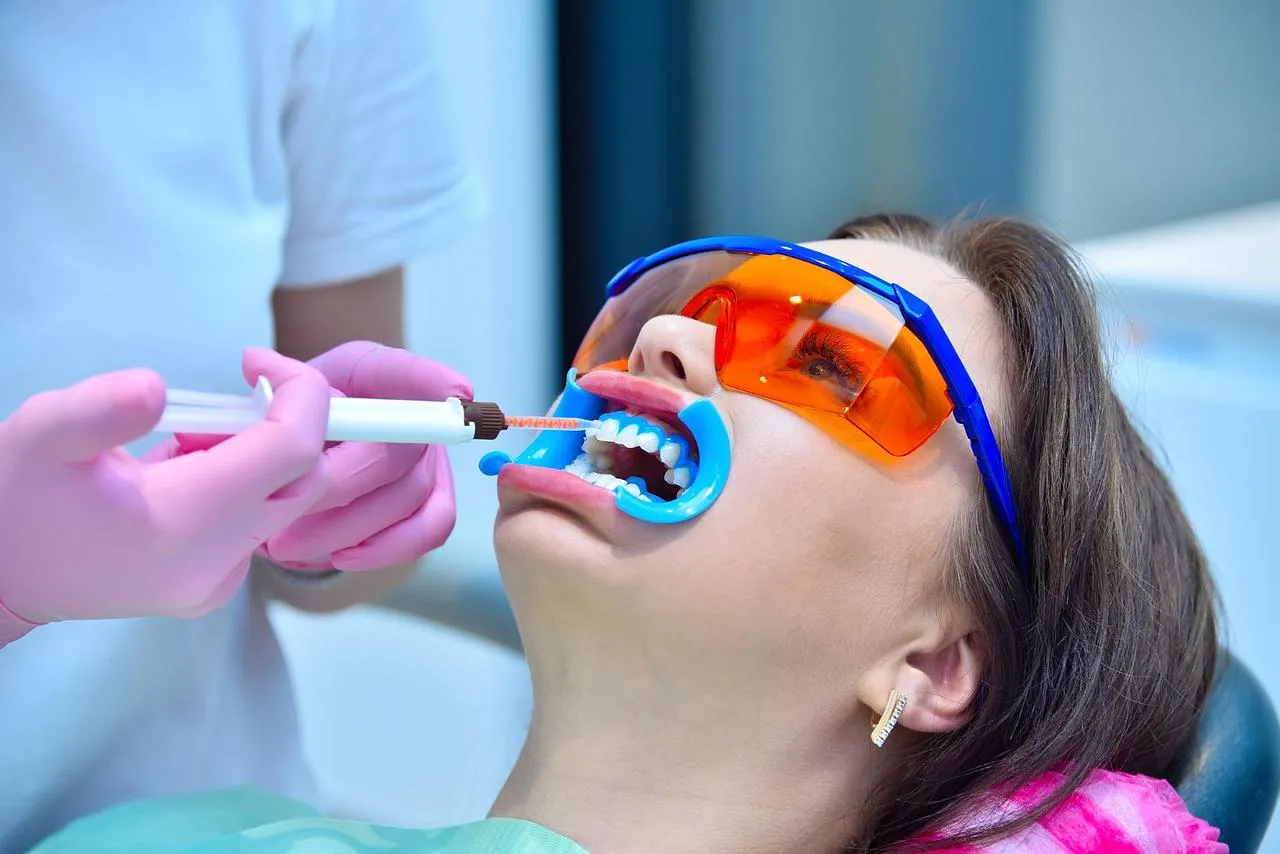

Preventive dental care helps protect teeth from common problems before they develop into more complicated concerns. The back teeth contain natural grooves and pits that can collect plaque and food particles, making them harder to clean thoroughly with ordinary brushing. For patients with suitable tooth anatomy or increased cavity risk, dental sealants can provide an additional layer of protection over these vulnerable surfaces. The material creates a protective covering that helps limit the accumulation of debris in difficult to reach areas while supporting regular brushing, flossing, professional cleaning, and comprehensive oral care.
Why Back Teeth Are Vulnerable
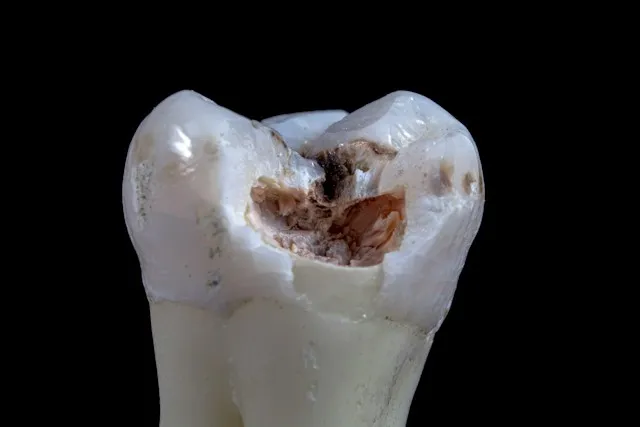
Molars and premolars often have uneven chewing surfaces containing narrow grooves and depressions. These natural features are useful for chewing but can also create areas where plaque and food particles become trapped. Toothbrush bristles may not always reach the deepest portions of these grooves, particularly when the surfaces are narrow or irregular. When plaque remains in place, bacteria can contribute to acid production that gradually weakens enamel. Preventive sealing can cover selected grooves and create a smoother surface, making these areas easier to maintain during routine oral hygiene.
The Role of Preventive Dentistry
Preventive dentistry focuses on maintaining oral health and reducing the likelihood of avoidable dental problems. Regular examinations allow dental professionals to evaluate the condition of teeth, gums, and existing restorations while identifying areas that may require additional protection. Sealants can form part of this preventive approach when certain tooth surfaces are considered susceptible to decay. They work alongside established practices such as brushing with fluoride toothpaste, cleaning between teeth, maintaining balanced dietary habits, and attending professional dental appointments. A personalized preventive plan can help address the different factors that influence each patient's cavity risk.
How Dental Sealants Protect Teeth
A dental sealant is a thin protective material placed over selected grooves and pits on a tooth's chewing surface. After the tooth is cleaned and prepared, the material is carefully applied and hardened according to the appropriate dental procedure. Once set, the sealant covers the targeted areas and creates a smoother surface that can be easier to clean. By limiting direct exposure of deep grooves to plaque and food particles, sealants can provide additional protection against decay. Their purpose is preventive, so they are generally considered before extensive tooth damage develops.
The Application Process
Sealant placement generally begins with a careful examination of the tooth. The dental professional cleans the selected surface and prepares it so the sealant can bond effectively. Keeping the area appropriately dry during application is important for achieving a reliable result. The material is then placed into the grooves and hardened using a specialized light when required. After placement, the professional checks the sealant and evaluates the patient's bite. This process is usually straightforward and focuses on protecting healthy or appropriately treated tooth surfaces rather than removing substantial tooth structure.
A Minimally Invasive Approach
Preventive sealing can be appealing because it generally requires little alteration to the natural tooth structure. Unlike restorative treatment for an established cavity, the goal is to protect susceptible areas before significant decay develops. The procedure is typically designed to be comfortable and efficient, allowing patients to return to normal activities afterward. However, the suitability of a sealant depends on the condition and anatomy of the tooth. A dental professional should determine whether the surface is appropriate for sealing and whether other preventive or restorative care is needed.
Benefits of Preventive Sealants
Sealants can provide targeted protection where tooth anatomy makes plaque control more challenging. By filling selected grooves and pits, they can reduce the spaces where food debris and plaque may become trapped. This may help lower the risk of decay on treated surfaces, particularly when the patient also maintains strong oral hygiene habits. Sealants are not intended to replace brushing, flossing, fluoride exposure, or regular dental examinations. Instead, they provide an additional preventive measure that can complement other forms of professional and at home oral care.
Supporting Easier Daily Cleaning
The smoother surface created by a sealant may make some back tooth areas easier to clean. Deep grooves can be difficult to reach with toothbrush bristles, even when a patient uses appropriate brushing techniques. By covering these areas, the sealant can reduce the depth and irregularity of the protected surface. Patients should still brush thoroughly around the sealed tooth and clean between the teeth because plaque can accumulate in areas that remain uncovered. Effective daily hygiene remains an essential part of protecting both sealed and unsealed tooth surfaces.
Helping Protect Enamel
Tooth enamel is strong but can gradually weaken when exposed to acids produced by bacteria in dental plaque. Repeated exposure can contribute to mineral loss and eventually cavity formation. Sealants can provide a physical barrier over selected surfaces, reducing direct contact between vulnerable grooves and plaque or food debris. This protective role can be especially valuable for teeth with pronounced grooves. While sealing does not make a tooth immune to decay, it can contribute to a broader strategy designed to preserve natural enamel and reduce preventable dental damage.
Who Can Benefit From Sealants
Sealants are commonly considered for children and teenagers because newly erupted permanent molars can have deep grooves that are challenging to keep clean. Adults may also benefit when particular teeth have vulnerable anatomy or a higher likelihood of developing cavities. The decision should not be based solely on age. Dental history, oral hygiene, diet, tooth structure, previous decay, and overall cavity risk can influence whether sealing is appropriate. A professional examination allows the dental team to identify susceptible areas and recommend preventive treatment when the potential benefits justify the procedure.
Protection for Younger Patients
Children can benefit from preventive dental care as they learn and develop effective oral hygiene habits. Newly erupted permanent molars may contain deep grooves that are difficult for young patients to clean thoroughly. Sealants can provide an additional protective layer while brushing and flossing skills continue to develop. Parents and caregivers can further support cavity prevention by encouraging regular brushing with fluoride toothpaste, limiting frequent sugary snacks, and maintaining scheduled dental appointments. Early preventive care can help children build positive oral health routines that support stronger teeth throughout childhood and adolescence.
Benefits for Adults
Adults can experience cavities for many reasons, including changes in oral hygiene, diet, saliva flow, and previous dental history. Some adult teeth may also have naturally deep grooves that remain susceptible to plaque accumulation. When these surfaces are healthy or otherwise suitable for preventive treatment, sealing may provide an additional layer of protection. Adults should discuss their cavity history and risk factors during regular examinations. A dental professional can evaluate whether sealing specific teeth is appropriate or whether another preventive strategy would better address the patient's individual needs.
Maintaining Dental Sealants
Sealants can provide lasting protection, but they require regular evaluation because normal chewing forces may gradually affect their condition. A sealant can become worn, chipped, or partially detached over time. Routine dental examinations allow professionals to inspect the treated areas and determine whether the material remains intact. If a sealant becomes compromised, the tooth can be evaluated to determine whether repair, replacement, or another preventive measure is appropriate. Regular monitoring helps ensure that the protective treatment continues to serve its intended purpose.
Regular Dental Checkups
Routine dental examinations remain important after sealants have been placed. During these appointments, professionals can inspect the sealants and look for signs of wear or changes in the surrounding tooth structure. They can also evaluate areas that were not sealed and identify early signs of decay or other oral health concerns. Regular checkups are particularly valuable for patients with a history of cavities because their preventive needs may change over time. Professional monitoring allows treatment recommendations to be adjusted as the patient's oral health develops.
Protecting the Sealed Areas
Patients can help maintain sealants by continuing their normal oral hygiene routine. Brushing twice daily with fluoride toothpaste helps remove plaque from the teeth, including surfaces around the sealant. Cleaning between teeth remains important because sealants usually cover only selected chewing surfaces and do not protect the spaces between teeth. Patients should also avoid using their teeth to open packages or bite unusually hard objects. Although sealants are designed to withstand normal chewing, unnecessary stress can contribute to damage and reduce their longevity.
Dental Sealants and Overall Cavity Prevention
Cavity prevention is most effective when several protective measures work together. Sealants can shield selected chewing surfaces, while fluoride can strengthen enamel and regular brushing can control plaque throughout the mouth. Interdental cleaning helps remove debris from spaces that sealants cannot cover. Professional cleanings and examinations provide additional opportunities to identify potential problems early. Dietary habits also influence cavity risk, particularly when sugary foods and beverages are consumed frequently. Combining these strategies allows patients to address cavity risk from several directions rather than relying on one preventive treatment.
The Importance of Fluoride
Fluoride plays an important role in maintaining strong enamel and supporting resistance against acid related mineral loss. It can be obtained through fluoride toothpaste and, when appropriate, additional professional or home based fluoride measures. Sealants and fluoride serve different preventive purposes, making them potentially complementary. While sealants provide a physical barrier over selected grooves, fluoride supports the strength of tooth enamel more broadly. Dental professionals can evaluate an individual's cavity risk and recommend appropriate fluoride care as part of a comprehensive prevention strategy.
Healthy Dietary Habits
Dietary habits can influence how frequently teeth are exposed to substances that support cavity development. Frequent consumption of sugary snacks and drinks can increase the amount of time teeth are exposed to cavity related acids. Choosing balanced meals, limiting repeated sugary exposures, and drinking water regularly can support better oral health. Patients should also maintain their hygiene routine after eating whenever practical. Preventive treatments such as sealants can provide additional protection, but healthy dietary choices remain important for maintaining the condition of the entire mouth.
When Sealants May Not Be Appropriate
Although sealants can be beneficial for many patients, they are not automatically appropriate for every tooth. A tooth with an existing cavity, extensive restoration, unusual anatomy, or another dental concern may require a different approach. The dental professional must first assess the surface and determine whether preventive sealing is suitable. In some situations, restorative treatment may be more appropriate than simply covering the area. This individualized evaluation helps ensure that sealants are used when they provide meaningful preventive value and do not substitute for necessary treatment.
Personalized Preventive Recommendations
Each patient has different dental needs, so preventive treatment should be based on individual risk rather than a universal approach. A professional evaluation considers tooth anatomy, previous cavities, oral hygiene habits, diet, age, and other relevant factors. Some patients may need sealants on several molars, while others may require them only on specific vulnerable surfaces. Others may benefit more from fluoride care or changes to daily hygiene practices. Personalized recommendations help patients understand which preventive measures are most appropriate for maintaining healthy teeth over time.
Long Term Oral Health Benefits
Protecting vulnerable tooth surfaces before significant decay develops can support long term oral health. Preventive care may help reduce the likelihood of needing more extensive restorative procedures in the future, although no preventive method can guarantee that cavities will never occur. Consistent dental examinations, professional cleanings, fluoride care, healthy dietary choices, and daily hygiene remain essential. Sealants can add targeted protection where natural grooves create additional challenges. When preventive measures are selected according to individual needs, they can contribute to a comprehensive strategy for preserving natural teeth.
Conclusion
Preventive dental care provides an important foundation for maintaining healthy teeth and reducing avoidable cavity risks. Sealants can protect selected grooves and pits by creating a barrier that limits the accumulation of plaque and food particles in vulnerable areas. Their benefits are strongest when combined with regular brushing, interdental cleaning, fluoride care, healthy dietary choices, professional cleanings, and routine examinations. Patients can discuss their individual dental history and cavity risk with a qualified dental professional to determine whether sealants are appropriate. For personalized preventive care and ongoing oral health support, Clove Dental Beverly Hills can help patients protect their smiles through informed treatment planning and professional guidance.























Sign in to leave a comment.