

Diabetes can affect much more than blood sugar—it can gradually damage the delicate blood vessels in your eyes and threaten your vision. If you have diabetes or are experiencing blurred, distorted, or sudden vision changes, seeing a diabetic retinopathy specialist in Tampa can help detect problems early and guide appropriate treatment. Diabetic retinopathy may have few or no symptoms during its early stages, making regular retinal evaluations especially important. In fact, the CDC reports that about 90% of diabetes-related blindness is preventable with appropriate detection and treatment.
Understanding Diabetic Retinopathy
How Diabetes Affects the Retina
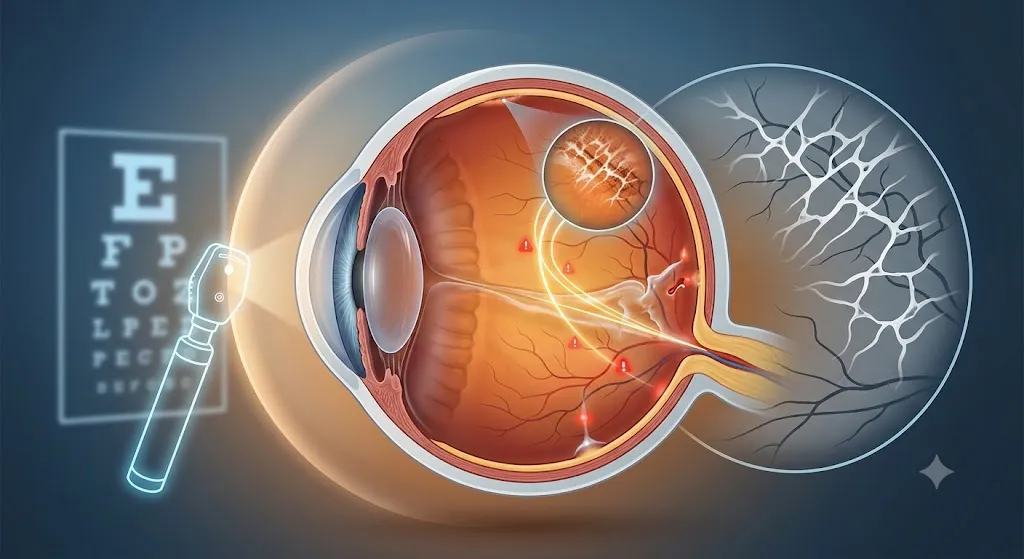
High blood sugar can damage the tiny blood vessels supplying the retina, causing them to leak or bleed. Think of the retina like a camera sensor: when its blood supply is damaged, the quality of the image reaching your brain can suffer.
Learn more about diabetic retinopathy and its treatment.
Why Early Detection Matters
Symptoms May Appear Late
Blurred vision, floaters, dark spots, or difficulty seeing clearly can occur as diabetic retinopathy progresses. However, early disease often produces no noticeable symptoms. The National Eye Institute recommends comprehensive dilated eye examinations at least annually for people with diabetes.
Regular examinations are like routine maintenance on a vehicle—they can identify a developing problem before it becomes a major repair.
The Role of a Retina Specialist
Specialized Retinal Expertise
A Retina Specialist is an ophthalmologist with advanced training focused on diseases affecting the retina, macula, and vitreous. RVAF’s board-certified, fellowship-trained specialists provide specialized retinal diagnosis and treatment throughout the Tampa Bay area.
For patients experiencing vision changes, specialized evaluation can help determine whether diabetes is affecting the retina or whether another retinal condition is responsible.
Treatment Options for Diabetic Eye Disease
Injections, Laser, and Surgery
Depending on the severity and type of retinal disease, treatment may include monitoring, anti-VEGF injections, laser treatment, or vitrectomy surgery.
RVAF provides modern intravitreal therapies and surgical treatment options for diabetic retinal conditions.
Explore RVAF’s retinal treatment options to learn more.
Managing Diabetes Protects Your Eyes
Control More Than Blood Sugar
Blood sugar, blood pressure, and cholesterol management all play important roles in reducing the risk of diabetes-related vision loss. Regular physical activity, healthy eating, taking prescribed medications, and avoiding smoking can also support overall eye health.
For example, managing these risk factors is like reducing pressure on a fragile plumbing system—the less strain placed on damaged blood vessels, the better the chance of protecting the retina.
When Should You See a Specialist?
Don't Ignore Sudden Vision Changes
Sudden vision loss, new flashes or floaters, or a curtain-like shadow across your vision can indicate a retinal emergency. Prompt evaluation is important because some retinal problems can worsen quickly.
If you need specialized care, find an RVAF retina location in Tampa and discuss your symptoms with a qualified specialist.
Protect Your Vision With Specialized Care
Diabetes does not have to mean inevitable vision loss. Regular eye examinations, effective diabetes management, and timely treatment can significantly reduce the risk of serious complications. A Retina Specialist can provide the specialized evaluation and treatment needed when diabetic retinopathy or another retinal condition threatens your sight.
If you have diabetes or are experiencing blurred, distorted, or sudden changes in vision, don't wait for symptoms to worsen. Request an appointment with RVAF to take the next step toward protecting your vision.





















Sign in to leave a comment.