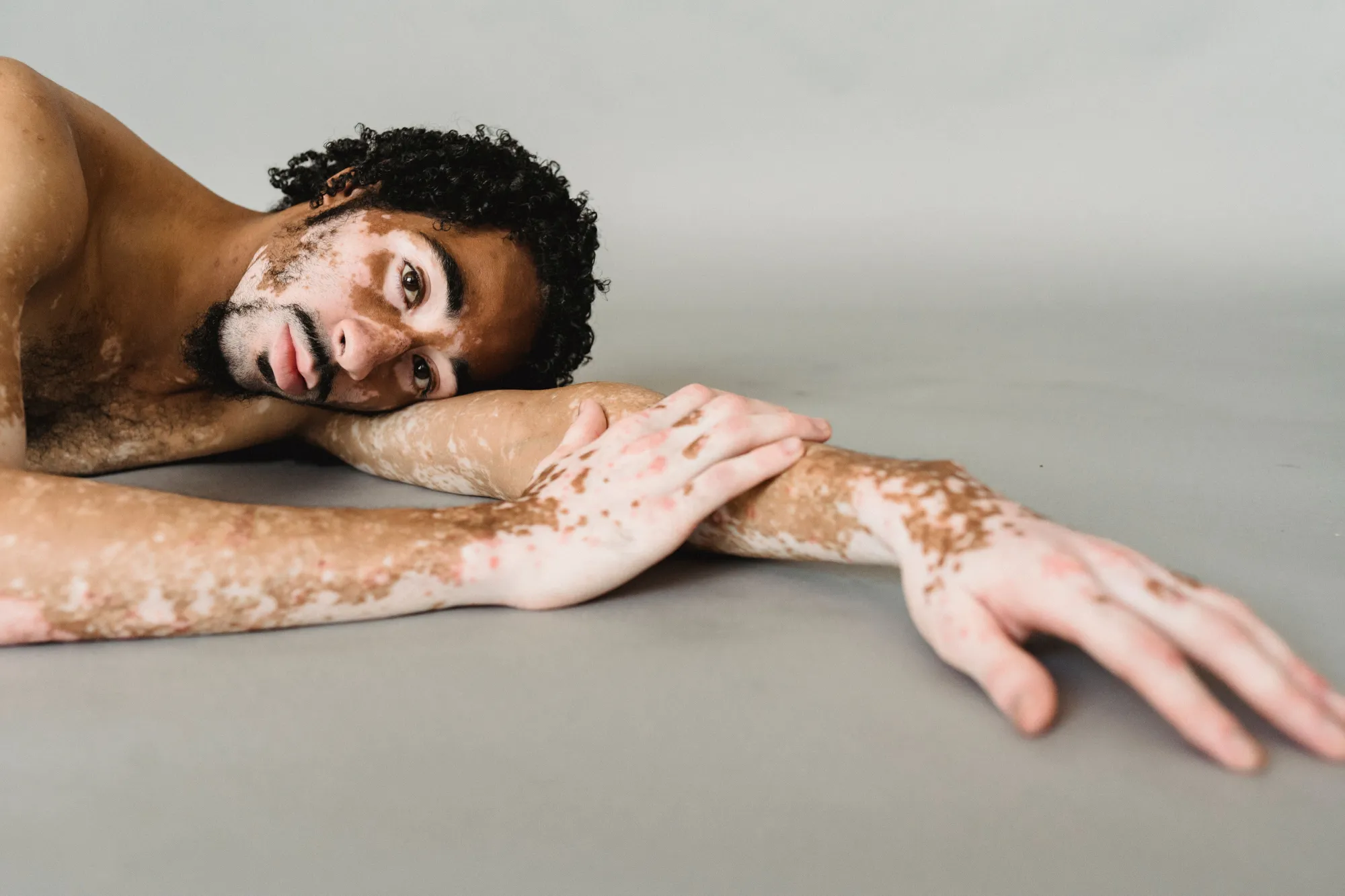

Red, dry, itchy, or scaly skin can be difficult to understand. Psoriasis and eczema are two common skin conditions that can look similar, but they have different symptoms and triggers.
If you are wondering whether your symptoms could be psoriasis or eczema, understanding their common differences can help. However, similar-looking rashes can have different causes, so a proper medical evaluation is important when symptoms persist or keep returning.
What Is Psoriasis?
Psoriasis is a long-term inflammatory skin condition that causes skin cells to build up faster than usual. This can lead to thick, raised, and scaly patches on the skin.
Psoriasis commonly affects areas such as the elbows, knees, scalp, and lower back. It can also affect the nails and other parts of the body. Symptoms can include itching, burning, soreness, and recurring flare-ups.
People looking for homeopathic treatment for psoriasis should first get the condition properly assessed rather than relying only on the appearance of the skin.
What Is Eczema?
Eczema is a group of conditions that can cause dry, itchy, and inflamed skin. Atopic dermatitis is one of the most common forms of eczema.
Eczema can cause dryness, redness or changes in skin colour, rough patches, cracking, and sometimes oozing. It commonly affects areas such as the face, neck, hands, inside of the elbows, and behind the knees.
Psoriasis vs Eczema: How Can You Tell the Difference?
Although both conditions can cause itching and inflammation, some features can help distinguish them.
Psoriasis often appears as thicker, raised patches with clearer borders and visible scaling. It commonly develops on the outer elbows and knees and may also affect the scalp and nails.
Eczema is often associated with intense itching, dryness, and inflamed skin. It commonly develops in skin folds and may cause cracked or irritated skin.
The symptoms are not always the same for everyone. This is why trying to diagnose yourself only by comparing pictures or symptoms may not give you a reliable answer.
Is Eczema Itchier Than Psoriasis?
Both conditions can itch, but eczema is often associated with more intense itching. Psoriasis can also cause itching, burning, or stinging.
The level of itching alone cannot confirm whether someone has psoriasis or eczema. Other symptoms, the affected area, medical history, and skin examination are also important.
What Can Trigger Psoriasis and Eczema?
Triggers can vary from person to person.
Some common eczema triggers include:
- Harsh soaps and skincare products
- Allergens and irritants
- Dry weather
- Certain fabrics
- Environmental changes
Psoriasis flare-ups may be associated with:
- Stress
- Skin injuries
- Infections
- Certain medicines
- Changes in weather or temperature
Identifying personal triggers can help with long-term skin care and symptom management.
Can You Have Psoriasis and Eczema at the Same Time?
Yes, it is possible for a person to have both psoriasis and eczema. The two conditions can also look similar in some cases, making them difficult to distinguish without professional assessment.
If you have a recurring skin problem and are searching for a homeopathy skin doctor near me or a skin homeopathy doctor near me, it is important to first understand what may be causing your symptoms.
How Are Psoriasis and Eczema Diagnosed?
There is no simple online test that can accurately diagnose psoriasis or eczema.
A healthcare professional may examine the affected skin and ask about your symptoms, medical history, family history, and possible triggers. In some cases, additional tests may be needed to rule out other skin conditions.
Getting the right diagnosis is important because different skin conditions can require different approaches to management.
When Should You See a Doctor?
Consider seeking professional advice if:
- Your rash does not improve or keeps coming back.
- The itching is affecting your sleep or daily activities.
- Your skin is cracking, bleeding, or becoming painful.
- The affected area is spreading or getting worse.
- You are unsure what is causing the symptoms.
- Basic skincare or over-the-counter products are not helping.
If you are searching for a homeopathy skin doctor near me, best homeopathy skin doctor near me, or homeopathy skin doctor near me, choose a qualified practitioner who can assess your symptoms and discuss appropriate care.
What Can You Do for Ongoing Skin Problems?
Basic skin care can help support the skin barrier. Using suitable moisturisers, avoiding known irritants, and identifying personal triggers may help reduce discomfort.
People interested in homeopathic skin care can discuss their concerns with a qualified practitioner and understand the available options based on their individual situation.
For those who prefer remote consultation, an online homeopathy consultation can be an option for discussing symptoms and getting professional guidance.
If you are looking for a best homeopathic doctor in Jaipur, it is useful to choose a practitioner who takes time to understand your symptoms, medical history, and individual concerns.
Frequently Asked Questions
How can I tell if I have psoriasis or eczema?
Psoriasis often causes thicker, raised, clearly defined scaly patches, while eczema commonly causes dry, inflamed, and very itchy skin. However, symptoms can overlap, so professional assessment may be needed.
Can eczema turn into psoriasis?
No. Eczema does not simply turn into psoriasis. They are different conditions, although a person can experience both.
Is psoriasis contagious?
No. Psoriasis is not contagious and cannot spread from one person to another through normal physical contact.
When should I see a doctor for an itchy rash?
If the rash persists, keeps returning, becomes worse, or you are unsure about its cause, seeking professional medical advice can help determine the next step.
Can psoriasis and eczema be treated in the same way?
Not necessarily. Treatment and management depend on the specific condition, severity, symptoms, and individual needs. A proper diagnosis should come before choosing a treatment approach.



























Sign in to leave a comment.