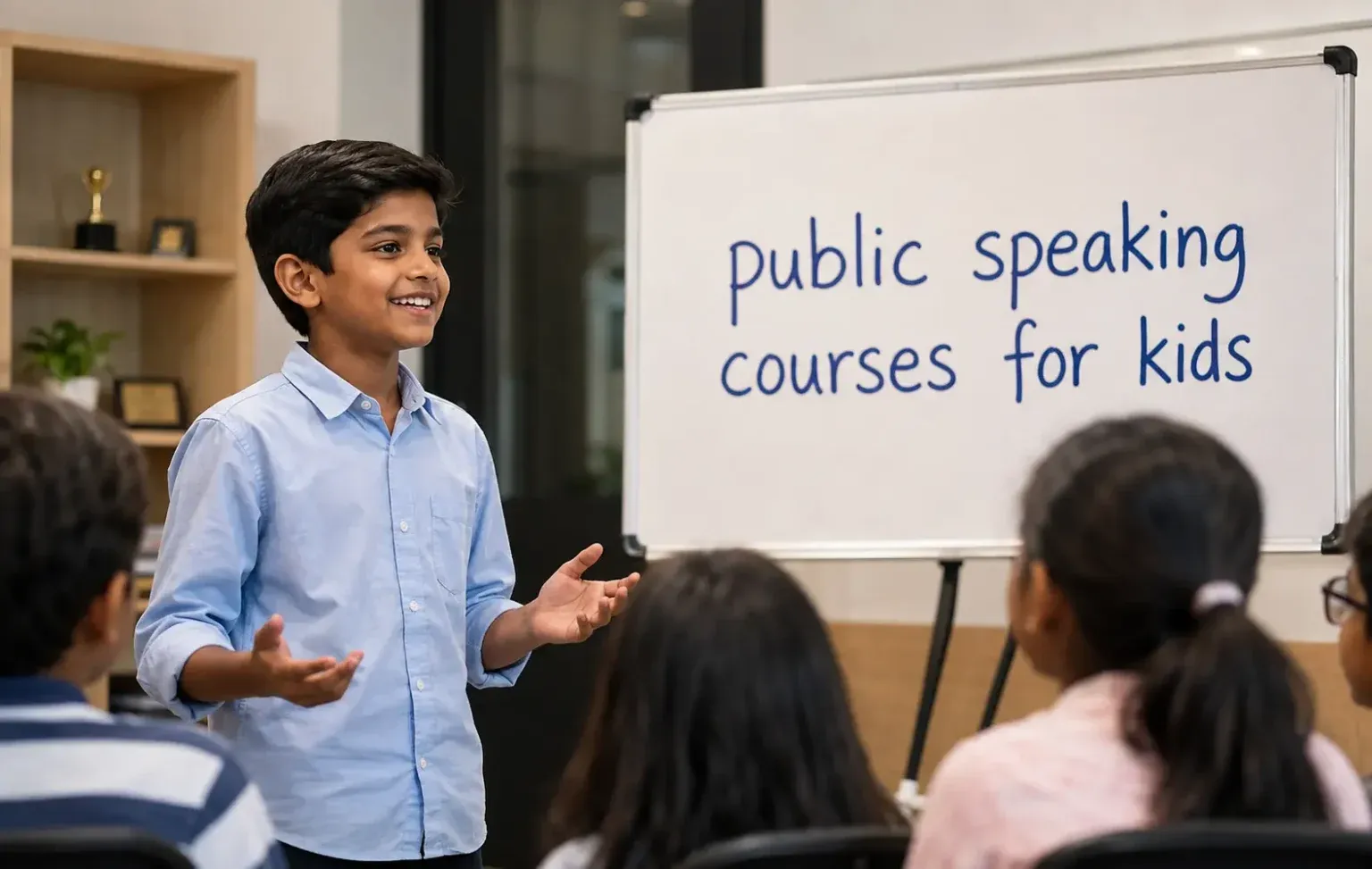

Being able to speak confidently is an important skill for children. Whether they are answering a question in class, participating in a debate, presenting a project, or talking to new people, effective communication can make everyday situations easier. Public speaking courses for kids are designed to help young learners develop confidence and express their thoughts without unnecessary fear or hesitation.
Why Should Children Learn Public Speaking?
Many children know what they want to say but struggle to communicate their thoughts clearly. Nervousness, lack of practice, or fear of making mistakes can prevent them from speaking confidently.
Public speaking programs give children a safe space to practice. Instead of expecting children to become confident immediately, instructors guide them through small speaking exercises and gradually introduce more challenging activities.
Skills Children Can Develop
Public speaking involves much more than standing in front of an audience. Children can develop several useful communication skills through regular practice.
These may include:
- Speaking clearly and using appropriate vocabulary
- Organizing thoughts before speaking
- Using confident body language
- Maintaining eye contact
- Improving voice clarity and expression
- Listening and responding appropriately
- Managing nervousness while speaking
- Presenting ideas in an organized manner
These skills can be useful both inside and outside the classroom.
Interactive Learning Makes a Difference
Children generally learn better when activities are interesting and engaging. Effective public speaking courses for kids may include storytelling, picture descriptions, role-playing, group discussions, debates, show-and-tell activities, presentations, and impromptu speaking.
Such exercises allow children to practice different types of communication while keeping the learning experience enjoyable. They also give instructors opportunities to identify areas where each child needs additional support.
Building Confidence Gradually
Confidence grows through repeated positive experiences. When children receive constructive feedback instead of criticism, they become more comfortable experimenting with new ways of speaking.
A child who initially speaks only a few words may gradually learn to explain an idea, tell a story, or deliver a short presentation. These small improvements can encourage children to participate more actively in school and social activities.
How Parents Can Choose a Course
Parents should consider the child's age, interests, learning style, and communication level when selecting a course. It is helpful to choose a program that provides regular speaking opportunities rather than focusing only on theoretical lessons.
Qualified instructors, interactive sessions, personalized feedback, and a friendly learning environment can make the experience more productive.
Conclusion

Good communication can support a child's confidence, academic participation, and social development. Public speaking courses for kids provide structured opportunities to practice speaking and learn how to communicate ideas effectively. With regular encouragement and meaningful practice, children can become more comfortable expressing themselves and develop communication skills that can benefit them throughout their lives.





























Sign in to leave a comment.