
Strategic Trends and Commercial Opportunities in the Global Pumpkin Candle Market
The worldwide pumpkin candle market has evolved from a predictable seasonal ritual into a strategically complex segment where consumer preferences, material science, and distribution architecture intersect. Valued at approximately 685.6 million USD in 2025, the market has grown steadily over the past five years, expanding from 520.1 million USD in 2020 at a compound annual growth rate of 6.32 percent. The trajectory points to a valuation approaching 1.05 billion USD by 2032, signaling sustained expansion rather than temporary cyclical spikes. This growth is not merely a function of autumn nostalgia; it reflects deeper shifts in home fragrance consumption, premiumization, and the integration of seasonal products into year-round retail strategies.
Despite the upward momentum, the segment is navigating structural friction. Raw material cost volatility continues to reshape pricing models, particularly for manufacturers relying on soy wax, beeswax, and complex fragrance blends. Simultaneously, consumer expectations around clean-burning formulations and sustainable sourcing are compressing the competitive landscape, forcing brands to align product design with environmental positioning. Regulatory scrutiny around product safety is also intensifying, as demonstrated by recent corrective actions involving flame height and container integrity. These overlapping pressures create both operational headwinds and strategic inflection points for companies seeking to scale or defend market share.
Market Landscape and Core Challenges
Regional Demand Architecture
North America anchors the market, reflecting entrenched autumn home fragrance traditions and a mature retail ecosystem that supports both mass and premium seasonal offerings. Europe follows as a substantial demand center, characterized by a higher concentration of design-led and luxury fragrance players that leverage seasonal releases as brand-building instruments. Asia Pacific, Latin America, and the Middle East and Africa represent smaller but growing footprints, where urbanization, rising disposable incomes, and the globalization of seasonal gifting cultures are gradually expanding addressable demand.
Key Challenges and Structural Inflection Points
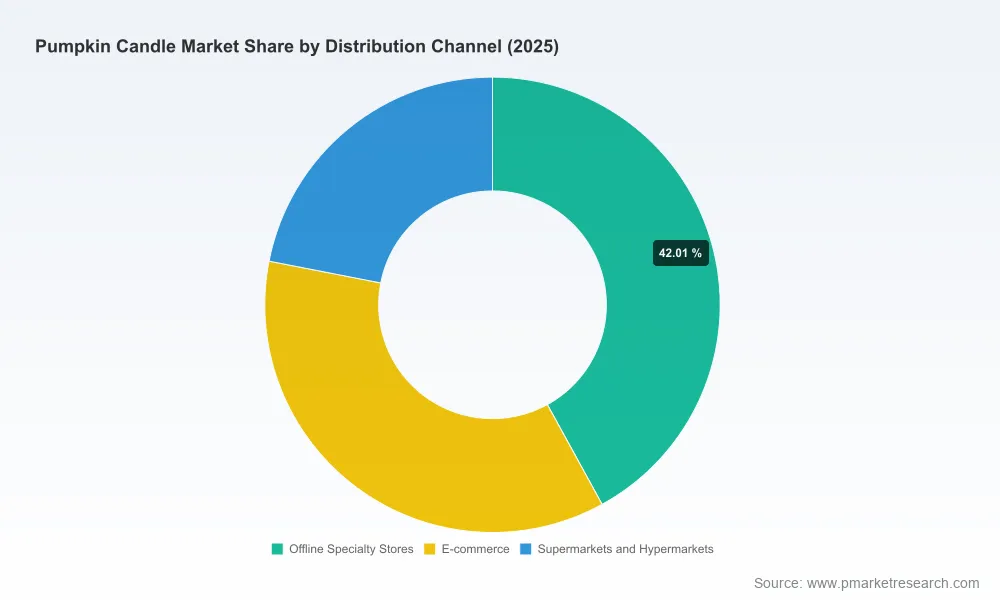
The first major challenge lies in balancing affordability with material transparency. As demand for soy-based and natural blends accelerates, manufacturers face pressure to reformulate without eroding margin. The second challenge is distribution fragmentation. Seasonal pumpkin candles now compete across specialty retail, e-commerce platforms, and mass grocery channels, each with different margin structures, shelf-life expectations, and customer acquisition dynamics. The third challenge is product safety and compliance risk. High-visibility recalls and packaging-related hazards can quickly erode brand trust, especially in a segment where presentation and perceived quality are central to purchase decisions.
These challenges are not isolated. They interact to shape a market where operational discipline matters as much as creative seasonal marketing. Companies that treat pumpkin candles as a purely seasonal impulse category often underestimate the need for consistent quality control, supply chain visibility, and channel-specific product engineering.
Key Growth Drivers
Consumer Demand and Behavioral Shifts
Purchasers increasingly evaluate seasonal candles through a dual lens of sensory experience and ingredient integrity. The appeal of pumpkin-spiced profiles extends beyond scent; it is tied to the perception of warmth, comfort, and home atmosphere. At the same time, buyers are more likely to notice wax composition, burn quality, and packaging durability. This behavioral shift pushes manufacturers to articulate why a candle feels premium, not just smells distinctive. Seasonal products are also being purchased earlier and retained longer in household use, extending the commercial relevance of autumn-themed fragrances beyond a narrow sales window.
Material Technology and Formulation Evolution
Wax selection is no longer a backend production choice; it is a consumer-facing differentiator. Soy wax has gained ground as a clean-burning alternative with longer usage times compared with traditional paraffin, while paraffin remains widely used because of cost efficiency and production familiarity. Beeswax and natural blends occupy a more premium niche, appealing to buyers who prioritize natural sourcing and refined burn characteristics. Formulation advances in fragrance loading, wick design, and container thermal performance are helping brands manage the trade-offs between scent throw, burn stability, and safety. The practical result is a more technically sophisticated category in which subtle differences in wax and fragrance architecture can determine repeat purchase behavior.
Regulatory and Safety Environment
Safety compliance is becoming a defining factor in brand credibility. Recent attention to flame height, glass integrity, and consumer hazard communication underscores the need for stricter internal testing and more disciplined production controls. For seasonal pumpkin candles, which often experience concentrated demand surges and rapid fulfillment cycles, quality assurance cannot be treated as a post-production afterthought. Brands that invest in proactive safety protocols, clear labeling, and consistent container specifications are better positioned to reduce recall exposure and protect retail relationships.
Popcorn Market
Supply Chain and Cost Structure Dynamics
Volatility in key inputs such as soy wax, beeswax, essential oils, and fragrance compounds continues to affect production economics. Seasonal spikes in demand can magnify these pressures, particularly when manufacturers rush to meet limited-edition timelines. Companies are responding by diversifying supplier bases, adjusting blend ratios, and rethinking inventory planning around seasonal peaks. The broader implication is that cost management in this segment is increasingly dependent on flexibility rather than static sourcing models. Brands that can absorb input fluctuations while maintaining consistent burn performance and fragrance quality gain a meaningful competitive edge.
Competitive Landscape and Strategic Positioning
Leadership Archetypes
The market features a layered set of players, each leveraging a distinct route to relevance. Large retail and fragrance platforms compete on breadth, seasonal scale, and channel reach, using pumpkin candles as part of a broader fall assortment that drives foot traffic and cross-category purchases. Scent-focused candle manufacturers emphasize fragrance variety, brand recognition, and consistent availability across retail and online channels, often treating seasonal releases as anchors within a year-round portfolio. Premium and luxury brands differentiate through refined scent profiles, high-end packaging, and limited-edition positioning, framing pumpkin variants as lifestyle products rather than seasonal commodities. Artisanal and niche producers build loyalty through handcrafted positioning, distinctive note combinations, and direct-to-consumer storytelling.
These archetypes illustrate that success in the pumpkin candle market does not come from a single formula. Some brands win through distribution dominance and seasonal volume; others through premium sensory design or authenticity-driven niche appeal. The most resilient players align product, channel, and messaging into a coherent seasonal strategy rather than relying on scent appeal alone.
Market Evolution and Competitive Dynamics
The competitive structure is simultaneously consolidating and fragmenting. Hannibal-scale seasonal campaigns from established brands continue to set consumer expectations, while smaller players carve out defensible positions through formulation quality, aesthetic differentiation, and targeted retail partnerships. E-commerce has lowered barriers to entry and enabled faster testing of seasonal variants, but it has also increased exposure to pricing pressure and review-driven reputation risk. Meanwhile, specialty retail remains valuable for brands that benefit from tactile presentation, gift bundling, and curated seasonal displays.
Candle Market
A notable dynamic is the convergence of seasonal and evergreen strategy. Many brands now treat pumpkin-scented products as more than a one-month event. They extend the lifecycle through gift sets, multi-wick formats, complementary fragrances, and controlled restocking windows. This approach helps smooth production planning and reduces dependence on a narrow demand peak. At the same time, it requires disciplined inventory management to avoid oversaturation, which can weaken the seasonal novelty that drives initial purchases.
Competitive Lessons from Recent Market Events
Recent corrective actions involving pumpkin-scented candles highlight the operational stakes in this segment. Recalls triggered by excessive flame height and container breakage demonstrate how safety issues can quickly intersect with consumer trust, retail compliance, and product design. For competitive analysis, this reinforces a critical point: premium positioning and seasonal marketing cannot compensate for inconsistent manufacturing controls. Companies that integrate safety testing, container qualification, and wick calibration into product development gain protection against both regulatory exposure and reputational damage. In practical terms, quality assurance has become a competitive differentiator, not just a compliance obligation.
Forward Outlook and Strategic Opportunities
Trend Toward Clean Material Preference and Premium Blend Formulation
Over the next three to five years, demand for soy and natural-blend formulations is likely to keep gaining share, driven by consumer interest in cleaner burn profiles and longer usage times. This creates opportunities for brands that can reliably deliver consistent fragrance performance with sustainable-wax positioning. The commercial upside lies in product lines that can be scaled across multiple price tiers without sacrificing perceived quality. A key risk is ingredient supply variability; brands dependent on a narrow range of wax suppliers or fragrance inputs may face margin instability if sourcing conditions tighten.
Channel Reconfiguration and Direct-to-Consumer Engagement
Distribution is expected to continue shifting as e-commerce and specialty retail compete for seasonal candle buyers. Digital channels offer greater control over product storytelling, limited-edition releases, and audience targeting, while physical retail remains important for sensory discovery and gift purchasing. Brands that can synchronize online and offline seasonal strategies will be better positioned to capture demand at multiple touchpoints. One risk is channel conflict: overly aggressive discounting or inconsistent product availability can undermine premium positioning and complicate retail relationships.
Safety, Packaging, and Brand Trust as Competitive Assets
As product safety concerns remain in focus, packaging durability, wick performance, and burn stability will increasingly influence purchasing decisions and retailer confidence. This trend favors companies that invest in robust container engineering, consistent quality checks, and transparent consumer guidance. Brands that treat safety and presentation as integrated design priorities can turn a compliance function into a brand asset. The uncertainty lies in how quickly regulatory expectations and consumer vigilance may escalate, which could raise the cost of entry for smaller producers and reward scale players with more mature testing infrastructure.
Commercial Opportunity Framing
These trends point to several practical opportunities. There is room for multi-tier seasonal portfolios that combine accessible mass offerings with premium natural-blend variants. There is also opportunity in extended seasonal positioning, where pumpkin-scented products are introduced earlier, merchandised alongside complementary fragrances, and supported by gifting formats that lengthen useful sales life. Another opportunity lies in formulation transparency and burn performance storytelling, where brands communicate not only the scent profile but also the functional qualities that justify premium pricing.
Actionable Guidance for Decision Makers
For manufacturers, the priority is to integrate material flexibility with rigorous quality controls. Diversifying wax and fragrance sourcing can reduce vulnerability to input cost swings, while standardized testing for flame height, container integrity, and burn consistency protects against safety-related disruptions. Seasonal production plans should be designed with buffer capacity and clear quality gates so that limited-edition demand does not force shortcuts in formulation or packaging.
For investors, the strategic question is whether a target brand has defensible differentiation beyond seasonal scent recognition. Sustainable value typically comes from a combination of material positioning, distribution advantage, formulation consistency, and brand trust. Companies with strong safety records, predictable production processes, and clear premium or niche positioning are better equipped to navigate volatility than those relying primarily on short-term promotional pull.
PW Consulting
For retail and procurement teams, the focus should be on partner reliability and product consistency across seasonal launches. Evaluating suppliers on formulation transparency, safety controls, and channel-appropriate packaging can reduce downstream risk. Procurement strategies that account for seasonal lead times, input availability, and quality documentation will support more stable shelf execution and fewer post-launch disruptions.
Managing the pumpkin candle market effectively requires more than tracking seasonal demand curves. It depends on understanding how material choices, channel strategy, safety standards, and consumer expectations interact across the product lifecycle. As the segment moves toward broader scale and greater complexity, decision makers benefit from sharper visibility into subsegment dynamics, regional momentum, and competitive positioning. Detailed scenario data, channel-level breakdowns, and company-specific strategic assessments can support more precise planning, which is why ongoing access to comprehensive market intelligence remains valuable for teams shaping product roadmaps, investment theses, and sourcing decisions.
For detailed analysis of this topic, please visit the official page: Worldwide Pumpkin Candle Market
Lacy Lee
Senior Marketing Manager
[email protected]
PW Consulting: www.pmarketresearch.com






















Sign in to leave a comment.