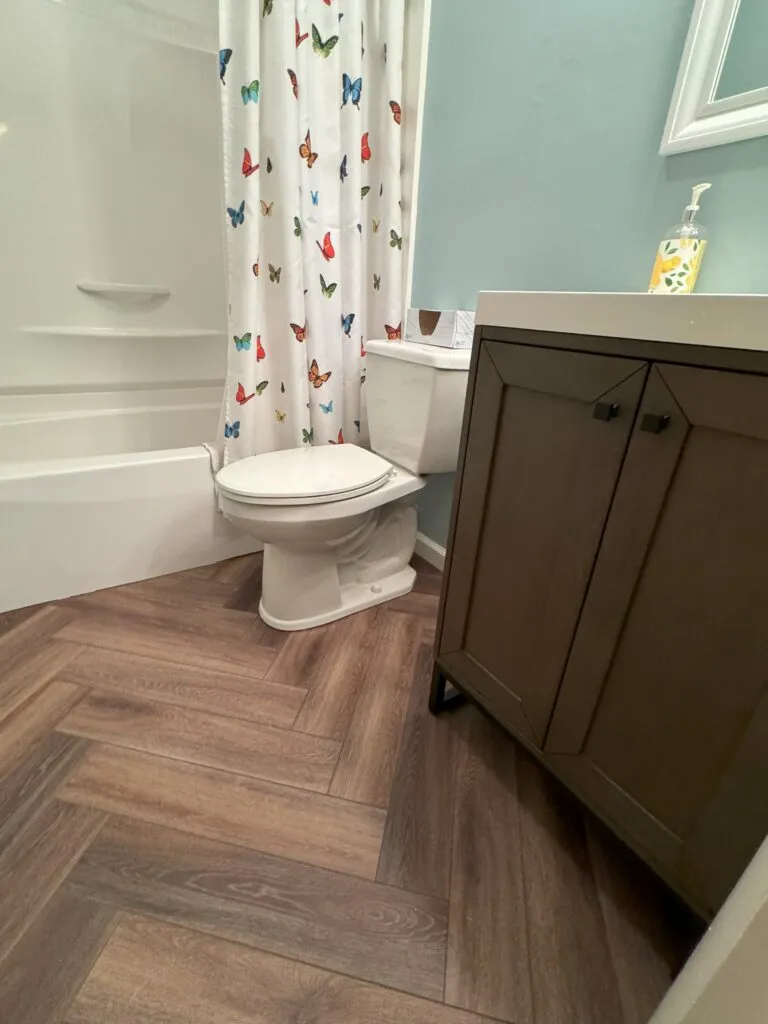

A tile shower can transform an ordinary bathroom into a more attractive, comfortable, and functional space. However, achieving a durable and properly finished result requires careful planning, skilled installation, and attention to important construction details. Before choosing a professional, homeowners should understand what to ask about experience, materials, preparation, timelines, warranties, and project expectations. Asking the right questions helps clarify the scope of work and makes it easier to compare contractors based on relevant qualifications. A qualified tile shower contractor should be prepared to explain the entire process clearly.
What Experience Does the Contractor Have?
Ask About Previous Shower Projects
Experience is an important consideration when evaluating a professional for a tile shower project. Homeowners should ask how long the contractor has worked with bathroom tile installations and how frequently shower projects are completed. Shower environments require more than simply placing tiles on a wall because proper preparation, moisture management, and accurate installation all influence long term performance. Contractors with relevant experience should be able to describe common challenges and explain how they address them. Reviewing previous shower projects can also provide useful insight into workmanship, design quality, and attention to detail.
Request Examples of Completed Work
A portfolio can help homeowners understand the contractor's capabilities before work begins. Photos of completed shower installations may show different tile sizes, patterns, layouts, niches, benches, and finishing techniques. While photographs cannot guarantee future results, they can help reveal whether the contractor has experience with the desired style. Homeowners should pay attention to tile alignment, grout consistency, corners, transitions, and overall appearance. Asking about specific projects can also encourage the contractor to explain how unusual layouts or challenging spaces were handled. This discussion may reveal valuable information about practical experience and problem solving.
How Will the Shower Area Be Prepared?
Understand Surface Preparation
Proper preparation is one of the most important parts of a successful tile shower installation. Before tiles are installed, the underlying surfaces need to be suitable, stable, clean, and properly prepared for the selected materials. Homeowners should ask what preparation steps will be included and whether damaged surfaces will need additional work. A contractor should explain how the existing shower area will be evaluated and prepared before installation begins. Understanding this stage helps prevent unexpected assumptions and gives homeowners a clearer picture of why preparation can influence the durability and appearance of the finished shower.
Ask About Waterproofing Methods
Waterproofing deserves particular attention because showers are constantly exposed to moisture. Homeowners should ask what waterproofing system will be used behind the tile and how vulnerable areas such as corners, seams, niches, and shower floors will be protected. The contractor should be able to explain the general method without relying on confusing technical language. Proper waterproofing helps reduce the risk of moisture reaching areas that were not designed to remain wet. Asking this question before hiring a contractor allows homeowners to understand how moisture protection fits into the overall installation and whether adequate preparation is included.
Which Materials Will Be Used?
Discuss Tile Selection
Tile selection affects the appearance, maintenance, comfort, and performance of a shower. Homeowners should discuss the preferred tile type, size, texture, color, and pattern with the contractor before final decisions are made. Some tiles may be better suited to walls, while others can provide appropriate traction for shower floors. The contractor should explain any installation considerations associated with the selected materials. Discussing tile choices early can also help ensure that the planned design works with the shower dimensions. A thoughtful material discussion allows homeowners to balance appearance with practical requirements and long term maintenance.
Ask About Grout and Setting Materials
Grout and setting materials are important components of a tile shower, even though they often receive less attention than the tile itself. Homeowners should ask which materials will be used and why they are appropriate for the intended application. The contractor should explain how grout joints will be planned and how the selected materials may affect cleaning and maintenance. It is also useful to ask whether movement areas require different treatment from standard joints. Understanding these details can help homeowners recognize that a durable shower depends on the complete installation system rather than tile selection alone.
What Is Included in the Project?
Clarify the Scope of Work
A detailed project scope helps prevent confusion once installation begins. Homeowners should ask exactly which tasks are included in the quoted work. Depending on the project, responsibilities may include removing existing materials, preparing surfaces, waterproofing, installing tile, applying grout, finishing edges, sealing applicable materials, and cleaning the work area. If certain tasks are excluded, those details should be identified before work begins. A clear scope gives both parties a shared understanding of expectations. It also makes it easier to compare different proposals because homeowners can determine whether each one covers the same basic services.
Ask About Additional Work
Unexpected conditions can sometimes appear after an existing shower is opened. Damaged surfaces, unsuitable materials, or hidden moisture issues may require additional work. Homeowners should ask how such situations will be handled and whether approval will be requested before extra work begins. A clear process can reduce disagreements about responsibility and costs. The contractor should explain how changes to the original scope are documented and communicated. Establishing this expectation before installation begins gives homeowners greater control over the project and helps ensure that decisions are made with a clear understanding of the work involved.
How Long Will Installation Take?
Discuss the Expected Schedule
Project duration can vary depending on shower size, tile selection, preparation requirements, design complexity, and the condition of the existing space. Homeowners should ask for an estimated schedule rather than assuming every shower installation follows the same timeline. It is also helpful to understand which stages may require waiting periods before the next step can begin. Proper installation should not be rushed simply to meet an arbitrary deadline. A contractor who explains the expected sequence of work can help homeowners prepare for bathroom access limitations and understand why certain stages may take additional time.
Ask About Delays
Even carefully planned remodeling projects can encounter delays. Material availability, unexpected surface conditions, changes in design, or necessary preparation work may affect the schedule. Homeowners should ask how delays are communicated and how schedule changes will be handled. It is useful to establish who will provide updates and when homeowners can expect information if the original timeline changes. This conversation can reduce uncertainty during the project. Clear communication is especially important when a shower is part of a primary bathroom because temporary loss of bathroom access can affect daily routines and household planning.
What Maintenance Will the Shower Require?
Learn About Cleaning Needs
Different tile and grout materials can have different maintenance requirements. Homeowners should ask the contractor how the completed shower should be cleaned and which products should be avoided. Some surfaces may require gentle cleaning methods to preserve their finish, while certain grout types may need additional care. Understanding maintenance requirements before installation allows homeowners to select materials that fit their routines. A contractor should provide practical guidance about regular cleaning, drying, and inspection. This information can help protect the appearance of the shower while supporting long term performance after the installation is complete.
Discuss Sealing Requirements
Some tile and grout materials may require sealing or periodic maintenance, depending on their composition and installation system. Homeowners should ask whether sealing will be necessary, when it should be performed, and who will be responsible for completing it. The contractor should also explain whether specific areas require different maintenance than others. Knowing these requirements in advance helps homeowners avoid neglecting important care after the project is finished. A realistic maintenance plan can preserve the shower's appearance and reduce the likelihood of preventable problems developing because routine care was overlooked.
What Warranty or Workmanship Protection Is Provided?
Understand the Warranty Terms
Homeowners should ask whether the contractor provides any workmanship warranty and what the coverage includes. The terms should be explained clearly, including the duration, conditions, exclusions, and process for addressing concerns after completion. Material warranties may be separate from workmanship coverage, so homeowners should understand the difference between the two. Written information is preferable because it provides a reference after the project has been completed. A clear warranty discussion does not guarantee that problems will never occur, but it can establish expectations about how legitimate workmanship concerns will be handled.
How Will Communication Be Managed?
Establish Expectations Before Work Begins
Good communication can make a renovation easier to manage from beginning to end. Homeowners should ask who will serve as the primary contact during the project and how questions or concerns should be communicated. It can also be helpful to discuss how design changes, scheduling updates, and unexpected conditions will be shared. Clear communication helps prevent small misunderstandings from becoming larger problems. Contractors who provide straightforward explanations can help homeowners make informed decisions throughout the installation. Establishing communication expectations before work starts creates a more organized process and helps everyone remain focused on the agreed project goals.
Why Careful Contractor Selection Matters
Choosing a professional for a tile shower requires more consideration than comparing appearance or initial estimates. Experience, preparation methods, waterproofing practices, materials, communication, maintenance guidance, and workmanship protection can all influence the finished result. Homeowners who ask detailed questions are better positioned to understand what each contractor actually provides. The goal is to select a professional whose approach matches the project's needs, design expectations, and practical requirements. Careful research before installation can reduce uncertainty and help create a shower that remains attractive, functional, and suitable for everyday use.
Conclusion
A tile shower is a significant part of a bathroom, so selecting the right professional deserves careful attention. Asking about experience, preparation, waterproofing, materials, scheduling, maintenance, warranties, and communication can help homeowners make a well informed decision. Clear questions also encourage contractors to explain their processes and establish realistic expectations before work begins. For homeowners seeking dependable flooring and tile expertise for their bathroom project, Elizabethtown Flooring can be considered as part of the selection process. Thoughtful planning and informed contractor discussions can contribute to a durable, attractive, and functional shower installation.





















Sign in to leave a comment.