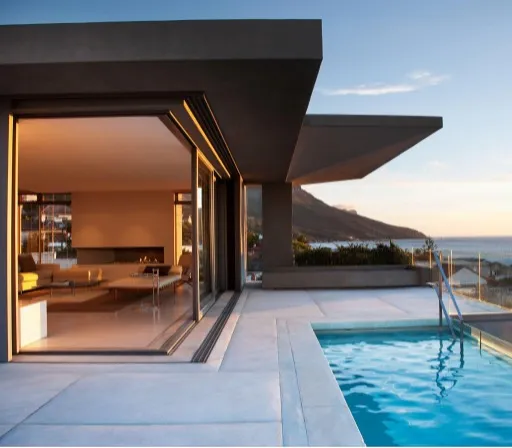

For years, owning a holiday home in Goa usually meant choosing between two options: a flat in a large gated complex, or an old Portuguese-era house that needed years of restoration. A third option is now drawing attention. Buyers are looking at smaller, carefully planned residential projects that offer privacy, character and a closer connection to the coast.
Interest in boutique second homes in Dona Paula, Goa reflects this shift. Many buyers now care less about the size of a development and more about how a home actually feels to live in: how it sits in its surroundings, how much space it offers, and how easily it fits into weekend and seasonal life.
Why Dona Paula Has Its Own Appeal
Dona Paula occupies a headland near Panaji, where the Zuari and Mandovi rivers meet the Arabian Sea. It has long been one of Goa's more established residential pockets. It is quieter than the busy beach belts further north, yet close to the capital's hospitals, markets, offices and restaurants.
For second-home buyers, that balance matters. A holiday home is often used in short bursts: a long weekend, a few weeks during the monsoon, or an extended winter stay. Being near a functioning city makes these visits easier. Groceries, medical care and household services are close at hand, and the home does not feel cut off during the off-season.
Dona Paula also has a settled, residential character. Much of the area is made up of homes rather than hotels and shacks, which gives it a calmer rhythm than Goa's tourist hubs.
Boutique Developments Versus Large-Scale Projects
The difference between a boutique project and a large township goes beyond the number of units.
Scale shapes daily life
In a smaller development, residents tend to know their neighbours, common areas are less crowded, and the overall atmosphere is closer to a private enclave than a housing society. For people who come to Goa to slow down, this can matter a great deal.
Design gets more attention
Smaller projects often give architects room to respond to the specific site, such as its slope, views, breeze and existing vegetation, rather than repeating a standard template across hundreds of units. The result can be homes that feel more individual and better suited to their location.
Trade-offs to consider
Boutique projects may offer fewer shared facilities than large complexes, and maintenance costs are split among fewer owners. Buyers should ask how upkeep, security and common services will be managed over time, especially if they will be away for long stretches.
The Draw of Waterfront Living
A waterfront home changes how a place is experienced. Light moves differently across the day. The sound of water becomes part of the background. Mornings and evenings take on a slower pace.
In Dona Paula, where the land meets both river and sea, this kind of setting is part of the area's identity. Developments such as the boutique waterfront villas in Dona Paula by Ekaya Spaces show how smaller residential projects are trying to frame the coastal setting while keeping homes private and self-contained.
Waterfront living also brings practical questions. Coastal properties face humidity, salt air and heavy monsoon rain, all of which affect materials, finishes and maintenance. Buyers should also check coastal regulation zone rules, since they can affect what can be built and where. Asking developers how they have addressed these factors is sensible due diligence, not excessive caution.
Sustainability Moves From Optional to Expected
Goa's natural landscape is central to its appeal, and many buyers are increasingly aware of the pressure that construction puts on it. This has sparked interest in eco-friendly housing projects in Dona Paula and across the state.
In practice, sustainable residential design can include:
- Orienting homes to make the most of natural light and cross-ventilation
- Keeping existing trees and green cover where possible
- Managing rainwater thoughtfully during the monsoon
- Using layouts that reduce dependence on constant air-conditioning
Buyers should look past broad claims and ask specific questions. What measures have actually been taken? Are they built into the design, or added as features for marketing? A home that works with the local climate is often more comfortable and cheaper to run over the long term.
Privacy, Space and the Practical Details
The romance of a Goa villa can overshadow the everyday details that decide how enjoyable ownership turns out to be.
Privacy
Consider how homes are placed in relation to one another. Do windows and terraces face neighbouring units? Is there enough separation to feel truly private? In a second home, privacy often matters as much as square footage.
Parking and access
Parking is easy to overlook until guests arrive or family members drive down separately. Many Goa neighbourhoods have narrow lanes and limited street parking, which is why villas with spacious car parks in Goa are increasingly valued. Adequate parking inside the property reduces daily friction and adds security when the home is empty.
Maintenance while you are away
Ask who will look after the property between visits. Some developments offer managed upkeep.
Others leave it to owners to arrange local help. Either can work, but it helps to know in advance.
The Wider North Goa Picture
Dona Paula sits within a broader market for luxury vacation properties in North Goa, which runs from the riverside neighbourhoods around Panaji to the villages near Assagao, Siolim and the northern beaches.
Each area has a different character. The northern villages are known for their creative, café-lined lanes and a lively seasonal crowd. Areas closer to Panaji offer more urban convenience and year-round activity. Buyers comparing locations should think about how they plan to use the home: frequent short visits, long seasonal stays, or eventual retirement. The right location depends heavily on that answer.
Questions Worth Asking Before You Buy
Before committing to a coastal second home, prospective buyers may want to consider:
- Title and approvals: Are land titles clear, and are all construction and environmental approvals in place?
- Build quality for the climate: How has the design dealt with humidity, salt air and monsoon conditions?
- Community size: How many homes are in the development, and how will shared spaces be managed?
- Access and connectivity: How easy is it to reach from the airport and from daily essentials?
- Long-term use: Will the home suit your needs in five or ten years, not just this holiday season?
Speaking with local residents, visiting during the monsoon as well as the dry season, and getting independent legal advice can give a far clearer picture than a brochure ever will.
A Different Idea of Luxury
What is emerging in places like Dona Paula is a quieter kind of luxury. Its value lies in privacy, thoughtful design, room to breathe and a real connection to the landscape, rather than in scale or spectacle.
For buyers drawn to Goa's coastal lifestyle, the best second home may not be the grandest one. It may be the one that fits the place, and the life they want to live there, most naturally.
























Sign in to leave a comment.