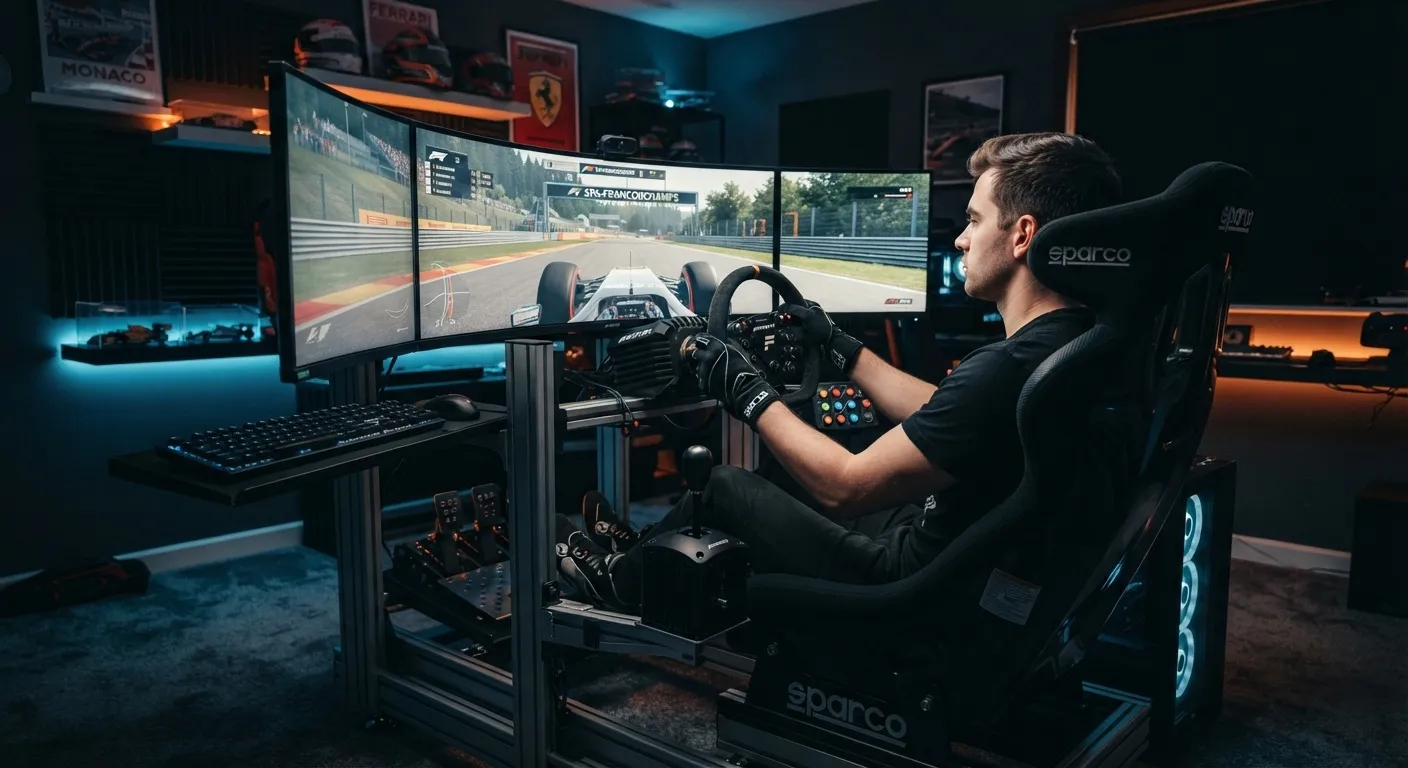

A racing simulator can transform an ordinary gaming setup into an immersive driving environment. At the center of that experience is the Racing Simulator Cockpit, which provides a stable and structured platform for the steering wheel, pedals, seat, and other essential racing equipment. Whether you are a casual racing fan or a serious virtual driver, choosing the right cockpit can make your sessions more comfortable, consistent, and enjoyable.
What Is a Racing Simulator Cockpit?
A Racing Simulator Cockpit is a dedicated frame designed to hold racing hardware in a realistic driving position. Unlike a standard desk setup, a cockpit keeps the steering wheel and pedals securely positioned while providing a proper seat and driving posture.
Many cockpits are built with sturdy materials such as steel or aluminum. Their designs can range from compact entry-level frames to advanced rigs designed for direct-drive wheels, load-cell pedals, shifters, handbrakes, and motion systems.
Why a Stable Cockpit Matters
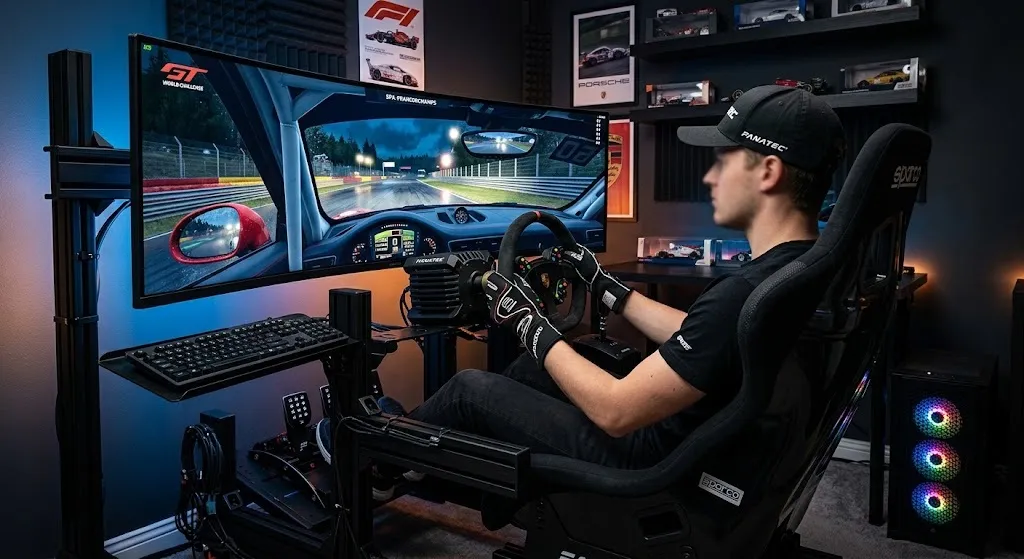
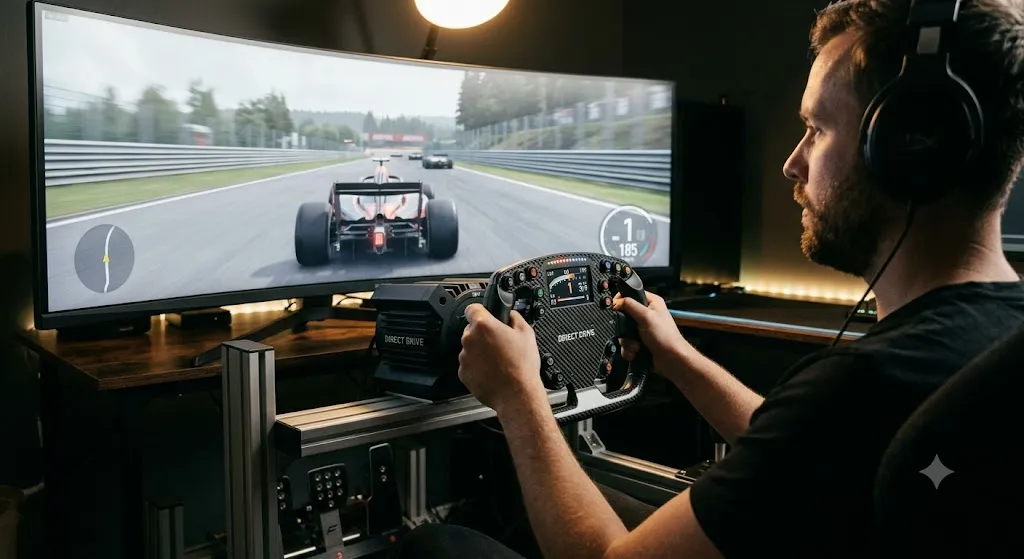
One of the biggest advantages of using a dedicated cockpit is stability. A powerful racing wheel can generate significant force feedback, and a lightweight desk may move or shake during intense racing. A strong cockpit minimizes unwanted movement and allows the driver to concentrate on the track.
Pedal positioning is equally important. When pedals remain firmly in place, drivers can apply braking and acceleration more consistently. This can be especially useful in simulation titles where precise control has a major impact on lap times.
Comfort and Driving Position
Long racing sessions can become uncomfortable when equipment is positioned incorrectly. A quality cockpit allows the driver to maintain a more natural posture, with the seat, steering wheel, and pedals aligned for better ergonomics.
Adjustable components can make a significant difference. Depending on the design, users may be able to change the seat position, wheel height, pedal angle, or distance between components. These adjustments help accommodate different body sizes and driving preferences.
Choosing the Right Racing Simulator Cockpit
Before purchasing a Racing Simulator Cockpit, consider the hardware you plan to use. Entry-level wheel systems generally work well with simpler frames, while high-powered direct-drive equipment requires a significantly stronger structure.
Available space is another important factor. A large aluminum profile rig may provide excellent expandability but require considerable room. A compact cockpit can be a better choice for bedrooms, offices, or smaller gaming areas.
It is also worth checking compatibility. Make sure the cockpit supports your steering wheel, pedals, shifter, and other accessories. If you plan to upgrade your equipment later, selecting a modular design can provide greater flexibility.
Creating a Complete Racing Setup
A cockpit is only one part of a complete racing simulator. A suitable display can improve visibility, while a quality wheel and pedal set can provide better control. Adding a shifter or handbrake can make certain racing games feel even more authentic.
For greater immersion, some enthusiasts add bass shakers, speakers, multiple monitors, or virtual reality equipment. These upgrades can create a more engaging environment without requiring every component to be purchased at once.
Final Thoughts
A Racing Simulator Cockpit provides the foundation for a more stable, comfortable, and immersive racing setup. By supporting essential hardware and creating a consistent driving position, it can improve both casual gaming sessions and serious simulation experiences.
The ideal cockpit depends on your available space, current equipment, future upgrades, and budget. With the right combination of a sturdy frame, comfortable seat, reliable controls, and suitable accessories, you can create a racing station that delivers a much more realistic virtual driving experience.























Sign in to leave a comment.