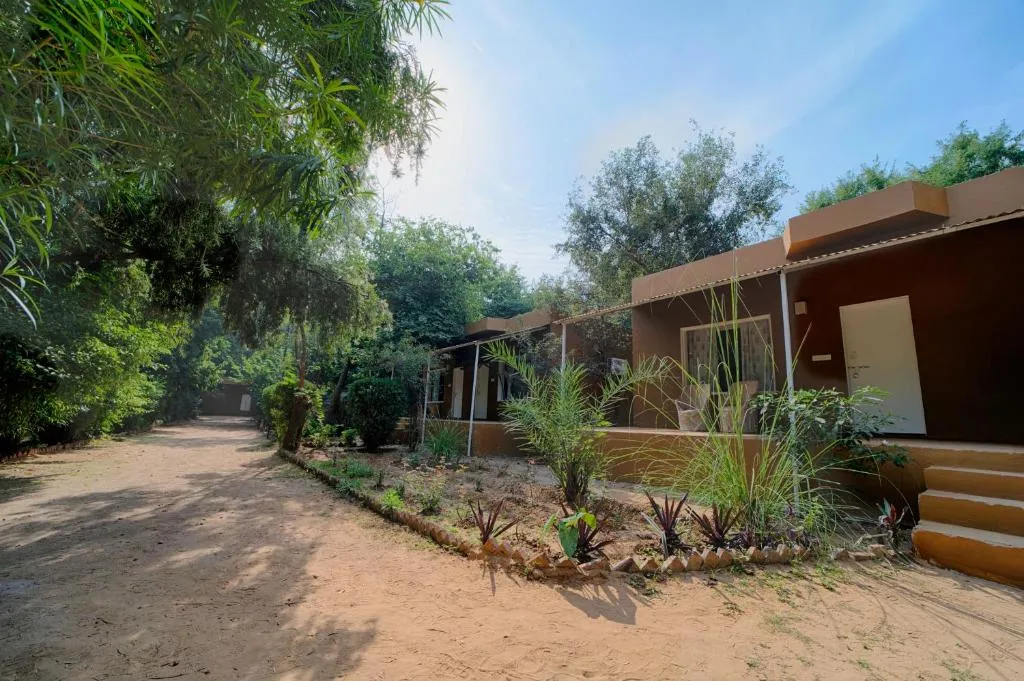

Choosing a Ranthambore Tiger Resort is not only about finding a comfortable room. Your location, safari plans, travel dates, access to Ranthambore National Park, and the type of experience you want can all shape the trip. For families, couples, solo travellers, and wildlife enthusiasts, a well-planned stay can make it easier to balance early safari drives with rest, local sightseeing, and time outdoors.
Why Ranthambore Is More Than a Tiger Safari
Ranthambore is one of Rajasthan's best-known wildlife destinations. The national park and tiger reserve sit around the meeting point of the Aravalli and Vindhya ranges, creating a landscape of dry deciduous forests, rocky hills, lakes, meadows, and old ruins. Rajasthan Tourism also highlights wildlife such as leopards, sloth bears, hyenas, crocodiles, deer, nilgai, langurs, and many bird species.
The destination also brings together wildlife and history. Ranthambore Fort rises above the forest, while temples, ruins, water bodies, and old structures add another layer to the landscape.
National Geographic's Ranthambore guide also describes the destination as part of the wider Golden Triangle journey, making it practical to combine wildlife with Jaipur, Delhi, and Agra on a longer Rajasthan holiday.
How to Choose the Right Place to Stay
The best accommodation depends on how you plan to spend your days. A traveller focused on safaris may care more about practical access and early departures, while a family may give greater importance to room comfort and relaxation areas.
Before booking, compare:
- Distance and travel time to your safari meeting point
- Room or tent type
- Meal arrangements
- Family-friendly facilities
- Outdoor spaces
- Parking and transport options
- Availability during your travel dates
- Cancellation and booking conditions
Rajasthan Tourism notes that Sawai Madhopur has accommodation across different budgets and recommends making reservations in advance because the park is popular with visitors.
What to Look for in a Wildlife Resort
Location matters
A resort can look attractive online, but its practical location matters just as much. Check the route between the accommodation and the place where your safari begins.
An early morning drive can feel very different when you have planned your transport properly. Ask the property or booking provider about pickup arrangements rather than assuming they are included.
Comfort after a safari
Safari drives can involve early starts, uneven tracks, dust, heat, or cooler mornings depending on the season. A useful stay should give you a comfortable place to rest between activities.
For families and couples, consider whether the property offers the type of accommodation you prefer, such as rooms, cottages, or tents. Also check basic facilities before paying a deposit.
Nature without unrealistic expectations
A wildlife stay should help you enjoy the surroundings without promising guaranteed animal sightings. Tigers are wild animals, and sightings depend on many factors, including animal movement, weather, habitat conditions, and luck.
National Geographic's wildlife guidance stresses that patience plays an important role in tiger viewing.
Understanding the Safari Experience
Safari is usually the main reason travellers visit Ranthambore, but it helps to think of it as a wildlife observation experience rather than a guaranteed tiger hunt.
The park operates regulated safari visits, and the available routes, timings, and booking arrangements can vary. Rajasthan Tourism directs visitors toward the state's forest reservation system for online reservations.
Jeep or Canter?
Ranthambore safaris commonly use smaller open safari vehicles and larger Canter vehicles. Lonely Planet explains that safari visitors may travel in six-person Jeeps or larger 20-seat Canters, with drives operating during the tourism season.
When booking, check:
- Vehicle type
- Safari date
- Assigned zone or route
- Reporting location
- Identification requirements
- Cancellation rules
Do not select a vehicle only because you expect it to guarantee a better tiger sighting. The experience depends on the wider conditions inside the reserve.
When Should You Visit Ranthambore?
The official Rajasthan Tourism page currently describes Ranthambore as open from October to June.
Your ideal month depends on your priorities.
October to February: Cooler weather can make outdoor activities more comfortable, particularly for travellers who dislike Rajasthan's stronger summer heat.
March to May: Temperatures rise, but dry conditions can change the appearance of the forest and wildlife behaviour. National Geographic has recommended November to April for more comfortable weather, while also noting that tiger viewing requires patience.
June: Conditions can be hot, so check current park operations before planning.
Always verify current safari dates, timings, and availability through official Rajasthan forest or tourism channels before finalising your itinerary.
Plan More Than One Safari
One safari can be memorable, but it is still only a short window into a large natural landscape. A single drive may not provide a tiger sighting, and that is normal in wildlife tourism.
If your budget and schedule allow, consider multiple safari drives on different days or time slots. This gives you more opportunities to observe different parts of the landscape and encounter animals behaving naturally.
Lonely Planet similarly recommends patience when visiting tiger habitats and notes that Ranthambore offers approachable logistics for first-time safari travellers.
Instead of measuring the trip only by whether you saw a tiger, notice:
- Bird calls and bird species
- Deer and antelope
- Crocodiles near water
- Forest landscapes
- Fort views
- Natural alarm calls
- Changing light across the hills
Add History to Your Wildlife Holiday
Ranthambore Fort is one of the destination's most important historical attractions. The fort dates back to the medieval period and sits dramatically above the surrounding landscape.
The combination of fort, temples, lakes, forest, and wildlife makes Ranthambore different from a destination focused only on safari. Lonely Planet describes the park as a place where ancient structures and wildlife exist within the same landscape.
If you enjoy history, reserve part of your itinerary for the fort instead of filling every available hour with safari activities.
This approach can also make the trip more enjoyable for family members who may not be equally interested in wildlife.
What a Resort Stay Can Add to the Trip
Accommodation is useful as a base between excursions, but it can also become part of the holiday itself.
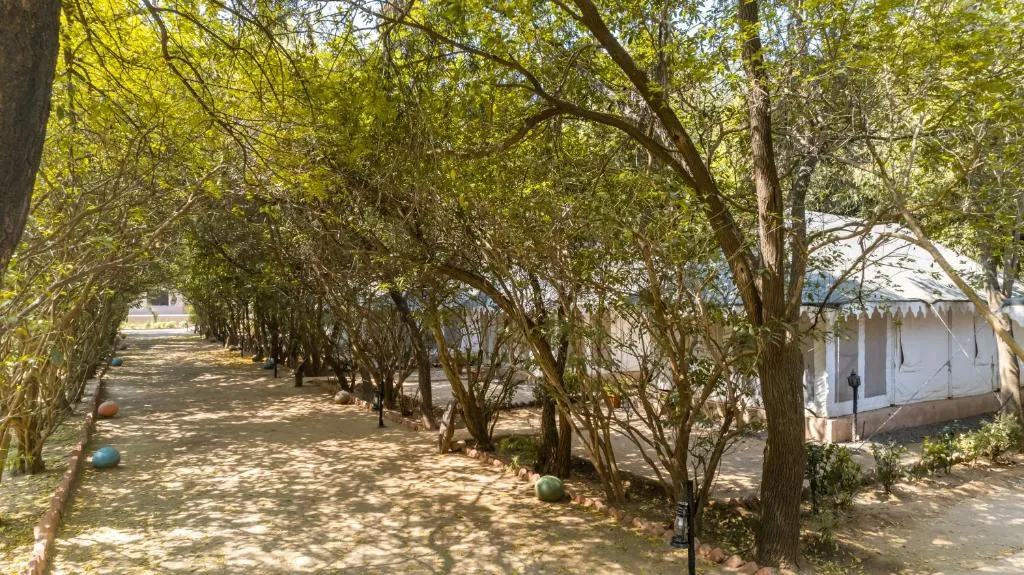
Tiger Machan, for example, describes accommodation including luxury tents, rooms, and cottages, along with experiences such as nature walks, farm visits, cultural programmes, and stargazing. These are property-specific offerings, so travellers should confirm availability and current details directly before booking.
For any property, think about what you actually want from the hours between safari drives. Some travellers prefer quiet time, while others want activities, cultural experiences, gardens, pools, or spaces for families to spend time together.
Practical Packing Tips
Ranthambore requires practical clothing rather than a complicated safari wardrobe.
Useful items include:
- Comfortable walking shoes
- Light cotton clothing
- A warm layer for cooler mornings
- Sunglasses
- Hat or cap
- Sunscreen
- Reusable water bottle
- Binoculars
- Camera with spare battery
- Basic personal medicines
- Small day bag
Choose clothing that allows easy movement and suits the season. Avoid carrying unnecessary luggage into the safari vehicle.
For photography, a camera with a useful zoom range can be helpful, but you do not need professional equipment to appreciate the landscape.
Common Mistakes to Avoid
Booking only for the room
A beautiful room does not automatically make an accommodation convenient for a safari-focused trip. Check location, transport, meal timings, and practical arrangements.
Expecting a guaranteed tiger
No ethical wildlife operator can honestly promise a wild tiger sighting. Treat every sighting as a possibility rather than an entitlement.
Ignoring travel time
Ranthambore is near Sawai Madhopur, but your accommodation, railway arrival, safari reporting point, and sightseeing plans still need to fit together.
Packing for only one season
Morning and daytime conditions can feel very different. Check the forecast close to departure and pack accordingly.
Trying to see everything
A rushed schedule can leave little time to enjoy the destination. Leave some space between safari drives and sightseeing.
A Simple Ranthambore Itinerary
For a short trip, a two-night plan can work well.
Day 1:
Arrive in Sawai Madhopur, check into your accommodation, rest, and explore nearby surroundings if time permits.
Day 2:
Take an early safari, return for breakfast and rest, then visit Ranthambore Fort or enjoy a relaxed afternoon. A second safari can be planned according to availability.
Day 3:
Take another safari if scheduled, have breakfast, check out, and continue to your next destination.
For a longer holiday, add another night rather than filling every day with activities. This gives you flexibility if travel delays, weather, or safari availability changes.
What Reputable Travel Publications Say
Ranthambore's appeal is not limited to hotel marketing. Established travel publications regularly cover the destination as a wildlife and cultural destination.
Lonely Planet's guide to Ranthambore discusses its tiger habitat, dry forests, fort, temples, and safari landscape. Condé Nast Traveller India's Ranthambore coverage also explores wildlife alongside the area's local history and legends.
These sources are useful for trip planning because they provide independent destination context. For current safari rules, bookings, and operational information, however, travellers should rely on official Rajasthan tourism and forest authorities.
Responsible Wildlife Travel
Ranthambore is a protected landscape, so visitors should behave differently from tourists visiting an ordinary sightseeing attraction.
Follow the instructions of your driver, guide, forest staff, and park authorities. Avoid loud behaviour, feeding animals, throwing waste, or attempting to attract wildlife for photographs.
The National Tiger Conservation Authority describes ecotourism in tiger reserves as an approach that should support conservation, environmental awareness, and local community engagement while keeping disturbance to wildlife low.
Responsible travel also means respecting local communities and cultural sites. The goal is to observe the forest without trying to control it.
Conclusion
A successful Ranthambore holiday comes from matching your accommodation, safari schedule, travel dates, and interests rather than choosing a stay based only on photographs. Give yourself enough time to enjoy both wildlife and history, keep expectations realistic about tiger sightings, and check official information before booking. When comparing Ranthambore Resorts, focus on location, comfort, practical safari arrangements, and the kind of experience you want from your time in Rajasthan.
FAQs
Is Ranthambore suitable for a family holiday?
Yes. Families can combine safari drives with fort visits, nature experiences, and relaxed resort time. Choose accommodation based on room comfort, location, meal arrangements, and the ages of the children travelling.
How many days are enough for Ranthambore?
Two nights can work for a short wildlife break, while three or more nights give you greater flexibility for multiple safaris and sightseeing. Your ideal duration depends on your travel route and interests.
Can I visit Ranthambore without seeing a tiger?
Yes. Tiger sightings are never guaranteed. The reserve also supports leopards, sloth bears, deer, crocodiles, birds, and many other species, while the landscape and fort offer experiences beyond tiger watching.
Should I book accommodation before my trip?
Booking ahead is sensible, particularly during busy travel periods. Rajasthan Tourism specifically advises advance reservations because of Ranthambore's popularity.
Is Ranthambore good for a first wildlife trip?
It can be a practical choice for first-time wildlife travellers because it combines safari experiences with a well-known historical attraction and access through Sawai Madhopur.
























Sign in to leave a comment.