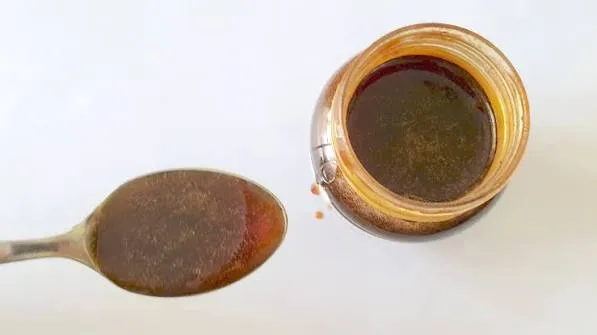

Deep in the cliffs of the Himalayas, a rare type of honey forms that behaves nothing like the honey most people know. Local harvesters call it mad honey, and its story involves steep mountain walls, giant bees, and a flowering plant with a chemical twist.
This article looks at what mad honey actually is, why it's rare, how it's traditionally harvested, and what buyers should understand before trying it.
What Is Mad Honey?
Mad honey comes from the nectar of rhododendron flowers, which grow at high altitudes in Nepal and parts of Turkey. These flowers contain natural compounds called grayanotoxins. When bees, particularly the Himalayan giant honey bee (Apis laboriosus), feed on rhododendron nectar, small amounts of these compounds end up in the honey they produce.
This is what separates mad honey from ordinary honey. Regular honey is sweet with no notable side effects. Mad honey, depending on its potency, can cause a warming sensation, mild tingling, or lightheadedness when consumed in larger amounts. This effect is why the honey earned its unusual name.
Why Is It Considered Rare?
Several factors make authentic mad honey difficult to produce and source.
Limited growing regions. Rhododendron forests dense enough to influence a hive's honey only grow in specific high-altitude zones. Most commercial rhododendron species elsewhere don't produce honey with the same properties.
Seasonal harvesting. The rhododendron bloom lasts for a short window each spring. Harvesters must time their trips precisely, or the honey reverts to a more typical composition once bees move to other nectar sources.
Dangerous collection process. Himalayan giant honey bees build combs on exposed cliff faces, often hundreds of feet above the ground. Harvesters, traditionally from communities in central Nepal, climb handmade rope ladders and use long poles to cut combs free while managing smoke and swarming bees. This practice has been documented for generations and is physically demanding and genuinely risky.
Low yield per hive. A single wild colony produces far less honey than a managed apiary. Combine this with the short harvest window, and the total global supply of authentic mad honey stays small each year.
Traditional Uses vs. Modern Interest
Communities in Nepal have used mad honey for generations, often in small quantities as part of local traditions. It's worth being clear that these are cultural and historical practices, not medical treatments backed by clinical research. Modern interest in mad honey has grown mostly out of curiosity about its unusual effects and its connection to a genuinely rare harvesting tradition.
Anyone researching mad honey will come across claims about its traditional roles in various wellness practices. It's important to separate documented cultural history from marketing language. No honey, including mad honey, should be treated as a substitute for medical care or as a guaranteed remedy for any condition.
Safety Considerations
Because grayanotoxins are active compounds, dosage matters. Historically, unintentional overconsumption of mad honey has caused symptoms such as nausea, dizziness, and changes in heart rate or blood pressure, sometimes called "mad honey poisoning" in medical literature. These cases are more common when the honey is consumed without knowledge of its potency or in excessive amounts.
If you're curious about trying mad honey, a few practical points can help:
- Start with a very small amount, no more than what fits on the tip of a teaspoon, to gauge sensitivity.
- Avoid combining it with alcohol or medications that affect blood pressure or heart rate.
- Buy from a source that tests potency and clearly labels grayanotoxin levels, since wild honey varies significantly batch to batch.
- Consult a doctor first if you have any heart condition, are pregnant, or are on blood pressure medication.
Responsible sourcing matters here just as much as responsible consumption. Because the honey is rare and comes from a labor-intensive harvest, it also attracts imitation products cut with regular honey or mislabeled entirely. Readers interested in wild Himalayan honey can explore the topic in more detail through this additional guide, which covers how genuine mountain-harvested batches are typically identified and tested.
How to Tell Genuine Mad Honey From Imitations
A few signs can help buyers spot the real thing:
Color and texture. Authentic mad honey often has a deeper reddish-brown color compared to standard honey and a slightly runnier texture due to its higher moisture content.
Taste profile. It typically carries a bitter aftertaste alongside sweetness, unlike the straightforward sweetness of conventional honey.
Sourcing transparency. Reputable sellers are usually upfront about harvest region, testing methods, and potency, rather than making broad health claims.
Price point. Given the harvesting difficulty and limited yield, genuine mad honey is priced noticeably higher than typical raw honey. Extremely cheap "mad honey" is a red flag.
The Bigger Picture
Mad honey sits at an interesting intersection of natural chemistry, mountain ecology, and human tradition. It's not a miracle product, and it's not something to treat casually either. The honey's rarity comes from real geographic and seasonal limits, not artificial scarcity, and that's part of what makes it a genuinely interesting subject for anyone curious about unusual foods with a long cultural history.
For readers who want to explore further, understanding both the traditional context and the practical safety guidelines is the best starting point before ever tasting it. Approaching mad honey with curiosity and caution, rather than assuming it's just another specialty food, will lead to a much better and safer experience overall.



























Sign in to leave a comment.