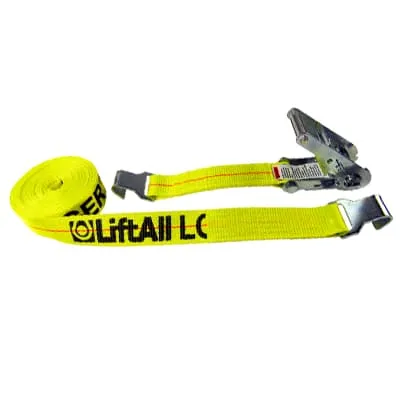

Transporting goods safely requires selecting the right securing equipment for every load. Different types of straps offer unique advantages depending on the weight, size, and sensitivity of the cargo being moved. Understanding these differences helps prevent damage and improves transportation safety. After considering the specific requirements of various hauling situations, cargo control straps become an essential part of maintaining stability and reducing movement throughout every stage of the journey.
Understanding Cargo Control Straps
Cargo securing systems are designed to keep loads stable while vehicles travel across different road conditions. These straps help minimize shifting, reduce the risk of accidents, and protect valuable items from unnecessary damage. They are commonly used in transportation, construction, warehousing, and recreational hauling because they provide dependable restraint for many types of cargo. Choosing the proper strap depends on the weight, shape, and fragility of the load as well as the transportation environment.
Proper cargo restraint also supports compliance with transportation safety standards and contributes to overall operational efficiency. A securely fastened load minimizes delays caused by adjustments during transit while protecting both drivers and surrounding motorists. Whether transporting machinery, furniture, equipment, or recreational vehicles, selecting the appropriate securing method helps maintain balance and reduces unnecessary stress on both the cargo and the vehicle carrying it.
What Are Ratchet Straps?
Ratchet straps use a mechanical ratcheting mechanism that allows users to tighten webbing with significant force. The ratchet handle rotates back and forth, gradually increasing tension until the load is securely held in place. Once tightened, the locking mechanism prevents the strap from loosening during transportation, making it suitable for heavy or bulky cargo requiring maximum restraint.
These straps are commonly chosen for industrial transportation, construction equipment, vehicles, and other heavy loads that require consistent tension over long distances. Their ability to apply greater pressure makes them highly effective for preventing movement. However, because they generate considerable force, users should exercise caution to avoid overtightening fragile or delicate items that could become damaged during securing.
Advantages of Ratchet Straps
Ratchet straps provide exceptional holding strength, making them ideal for demanding transportation tasks involving substantial weight. Their mechanical design enables users to achieve higher tension with less physical effort than manual alternatives. Once properly secured, the locking system minimizes accidental loosening caused by road vibration or changing weather conditions, providing additional confidence during long hauls.
Another important advantage is their versatility across multiple industries and applications. They are available in various lengths, widths, and load capacities to accommodate different transportation needs. This flexibility allows users to match the appropriate strap strength to each specific cargo type while maintaining safety and reducing the likelihood of shifting during transit.
Limitations of Ratchet Straps
Despite their effectiveness, ratchet straps require more time to operate than simpler securing systems because users must correctly thread and tighten the mechanism. Individuals unfamiliar with the ratchet process may experience a learning curve before achieving consistent and secure results. Proper training helps reduce mistakes and ensures the equipment performs as intended.
Another consideration involves the possibility of excessive tightening. Because the ratcheting mechanism produces significant force, fragile cargo may become compressed or damaged if users apply unnecessary pressure. Regular inspection and careful tension adjustment help protect sensitive materials while preserving the effectiveness of the securing system throughout transportation.
What Are Cam Buckle Straps?
Cam buckle straps rely on a spring loaded buckle that grips the webbing once tension is applied manually. Instead of using a ratcheting handle, users simply pull the loose end of the strap until the desired tightness is achieved. The internal mechanism locks the webbing in place while allowing quick adjustment whenever necessary.
These straps are commonly selected for lighter loads, delicate equipment, bicycles, kayaks, furniture, and household items. Because the tension depends entirely on manual pulling strength, the risk of overtightening is significantly lower. This makes cam buckle straps particularly suitable when protecting sensitive cargo from unnecessary compression or structural damage during transportation.
Advantages of Cam Buckle Straps
One of the greatest benefits of cam buckle straps is their simplicity. The straightforward design allows users to secure loads quickly without complicated mechanisms or additional tools. Faster operation makes them especially useful for frequent loading and unloading where efficiency remains an important priority throughout daily transportation activities.
Another advantage involves improved protection for delicate cargo. Since users control the tightening force manually, it becomes easier to apply only the necessary amount of tension. This controlled approach reduces pressure on fragile items while still providing adequate restraint to minimize movement during transportation across varying road conditions.
Limitations of Cam Buckle Straps
Although cam buckle straps perform well with lighter cargo, they are generally not suitable for extremely heavy loads requiring maximum tension. Manual tightening limits the amount of force users can apply, making these straps less effective when transporting large industrial equipment or dense construction materials that demand stronger restraint.
The holding power of cam buckle straps may also decrease if insufficient tension is applied during installation. Proper tightening remains essential for maintaining load stability throughout transportation. Users should periodically inspect the straps during longer trips to confirm that the cargo remains secure and that the webbing continues to maintain adequate tension.
Ratchet Straps vs Cam Buckle Straps
Tension Capability
The most noticeable difference between these two strap types involves the amount of tension they can generate. Ratchet straps provide substantially greater tightening force because the mechanical ratcheting system multiplies the user's effort. Cam buckle straps rely entirely on manual pulling strength, resulting in lower overall tension that better suits lighter or more delicate cargo.
Ease of Use
Cam buckle straps generally offer a simpler operating process because users only need to thread the strap and pull it tight. Ratchet straps require several additional steps involving threading, ratcheting, locking, and releasing the mechanism. Although these extra steps provide greater security, they also require more time and familiarity to perform correctly.
Suitable Load Types
Ratchet straps are typically recommended for heavy equipment, vehicles, large machinery, and construction materials that require maximum restraint throughout transportation. Cam buckle straps work well for lighter recreational equipment, furniture, appliances, bicycles, and other loads that benefit from controlled tension without excessive tightening pressure.
Risk of Damage
Because ratchet straps generate much higher tension, improper use increases the possibility of damaging fragile cargo through compression. Cam buckle straps naturally reduce this risk by limiting tension to manual pulling force. This characteristic makes them particularly valuable when transporting sensitive items requiring gentle but dependable restraint.
Factors to Consider Before Choosing a Strap
Selecting the correct securing strap begins with evaluating cargo weight, dimensions, and sensitivity. Heavy loads typically require stronger restraint systems capable of maintaining consistent tension throughout transportation. Lighter or delicate items often benefit from manually controlled tightening that minimizes unnecessary pressure while still preventing unwanted movement during travel.
Environmental conditions also influence strap selection. Long distance transportation, changing weather, frequent stops, and uneven road surfaces place additional stress on securing equipment. Choosing straps with appropriate working load limits and durable materials helps maintain consistent performance even under demanding transportation conditions while extending equipment service life through repeated use.
Users should also inspect all securing equipment before every trip. Worn webbing, damaged stitching, bent hardware, or malfunctioning buckles reduce overall effectiveness and increase safety risks. Replacing damaged components promptly ensures reliable performance while helping maintain consistent cargo stability across various transportation applications and operating environments.
Best Practices for Safe Strap Usage
Correct positioning plays an important role in maintaining cargo stability. Straps should distribute pressure evenly across the load without twisting or rubbing against sharp edges that may weaken the webbing. Using corner protectors where appropriate helps reduce abrasion and extends the lifespan of securing equipment while improving overall cargo protection.
After securing the load, users should verify that all hardware is properly locked and that excess webbing is safely tied away from moving vehicle components. Periodic inspections during transportation allow drivers to identify any loosening caused by road vibration or cargo settling. Addressing these adjustments promptly helps maintain safety until the destination is reached.
Proper storage also contributes to long lasting performance. Clean, dry storage conditions protect webbing from unnecessary moisture, sunlight exposure, and chemical contamination that may gradually weaken fibers. Regular maintenance combined with careful handling ensures securing straps remain dependable for repeated transportation tasks over an extended service life.
Conclusion
Choosing between ratchet straps and cam buckle straps depends primarily on the weight, sensitivity, and transportation requirements of the cargo being secured. Ratchet straps provide exceptional holding strength for heavy loads, while cam buckle straps offer greater control for lighter and more delicate items. Understanding the strengths and limitations of each option helps improve transportation safety, protect valuable cargo, and ensure dependable load stability throughout every journey. For quality lifting and load securement solutions, Lift-All Company, Inc. remains a trusted resource for professional needs.




























Sign in to leave a comment.