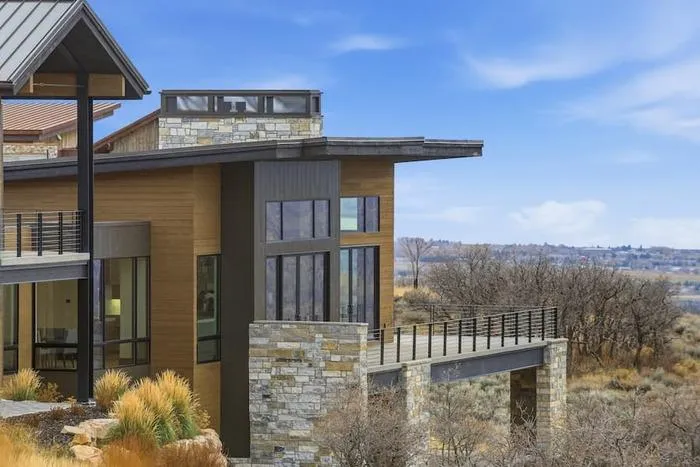
Property photographs often influence how potential buyers perceive a listing before they read the complete description or schedule a showing. Well presented images can make interiors easier to understand, highlight attractive architectural features, and create a stronger first impression across digital platforms. real estate photo enhancement provides a practical way to refine photographs while preserving the property's natural appearance. Through balanced exposure, improved color, corrected perspective, and carefully controlled details, property professionals can create listing images that look polished, consistent, and visually appealing.
Understanding Real Estate Photo Enhancement
Real estate photo enhancement involves improving the visual quality of property photographs through careful adjustments to elements such as brightness, contrast, color, sharpness, shadows, highlights, and overall balance. The objective is not simply to make an image brighter or more colorful. Effective enhancement should reveal details that may have been affected by challenging lighting conditions while maintaining an accurate representation of the property. When applied thoughtfully, these adjustments can make rooms appear clearer, exteriors more inviting, and listing photographs more professional without creating an artificial appearance.
Why Image Quality Matters in Property Marketing
Online property searches are highly visual, and potential buyers often compare several listings within a short period. Poorly exposed or inconsistent photographs can make even an attractive property appear less appealing. Bright windows, dark corners, uneven colors, or distracting shadows may prevent viewers from appreciating important features. Enhanced photographs can address many of these issues and create a more balanced presentation. Better visual quality can also make a listing appear more organized and carefully prepared, encouraging viewers to spend additional time examining the property and its features.
Improving Exposure and Lighting Balance
Lighting is one of the most important considerations when refining property photographs. Interior rooms can contain bright windows alongside darker walls, floors, and furniture, creating a difficult exposure balance. Exterior images may also contain strong sunlight, deep shadows, or changing weather conditions. Enhancement techniques can carefully adjust highlights and shadows to reveal important details throughout the frame. The goal should be to create balanced lighting that preserves natural depth while ensuring that major areas remain visible. A well balanced photograph can communicate the space more effectively.
Recovering Details in Bright and Dark Areas
High contrast lighting can cause windows, walls, ceilings, and darker furniture to lose visible detail. Carefully controlled adjustments can recover some of the information hidden in overly bright or dark portions of an image. Shadow recovery can reveal interior features, while highlight control can prevent bright windows from becoming distracting areas. These corrections should remain subtle because excessive adjustment may create unnatural textures or flat looking images. Proper balance allows viewers to notice architectural features and room details without making the photograph appear heavily processed.
Correcting Color for a Natural Appearance
Color accuracy has a major influence on how property photographs are perceived. Different indoor light sources can create unwanted yellow, blue, or green color casts, while outdoor conditions can alter the appearance of walls, lawns, and building materials. White balance adjustments can help restore more natural colors and create consistency between photographs. Neutral walls should appear neutral, while wood, flooring, furniture, and exterior materials should retain believable tones. Accurate color correction helps viewers form a more realistic impression of the property and creates greater visual consistency throughout the listing.
Maintaining Consistency Across Rooms
A property listing can contain photographs captured under different lighting conditions, especially when rooms face different directions or use different types of artificial lighting. If each photograph has a noticeably different color balance, the listing may appear disconnected. Consistent enhancement can help create a unified visual presentation. Similar rooms should maintain comparable brightness and color characteristics while still reflecting their actual conditions. This consistency allows viewers to move from one photograph to another without being distracted by sudden changes in tone, making the overall listing feel more professional.
Enhancing Interior Property Photographs
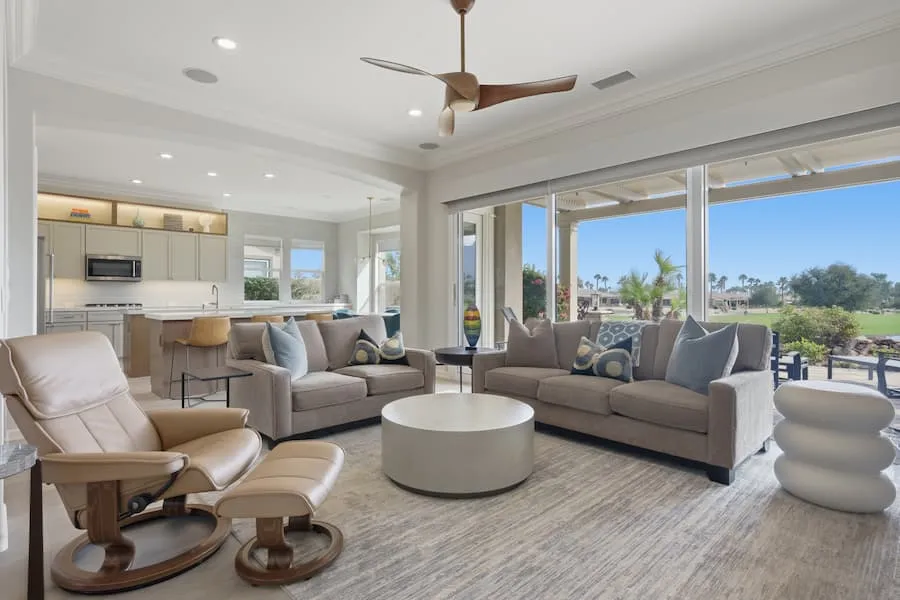
Interior photographs require careful attention because they often combine artificial lighting, natural daylight, reflective surfaces, and different materials. Enhancement can help clarify these elements while preserving the actual character of the room. Adjustments to exposure, contrast, white balance, and sharpness can improve visibility without altering the structure. Kitchens, living rooms, bedrooms, bathrooms, and other interior spaces can benefit from controlled refinements that reveal important details. The strongest results typically maintain a natural appearance while making the photograph cleaner, brighter, and easier for potential buyers to interpret.
Highlighting Architectural Features
Architectural elements often contribute significantly to a property's appeal, but they can become difficult to notice when lighting or composition is weak. Enhanced photographs can bring attention to features such as fireplaces, vaulted ceilings, exposed beams, large windows, built in cabinetry, staircases, flooring, and decorative details. Adjustments should support these elements without making them appear artificially emphasized. By improving visibility and tonal balance, enhancement can help important architectural characteristics stand out naturally. This gives potential buyers a clearer understanding of what makes the property visually distinctive.
Improving Exterior Property Images
Exterior photographs provide the first visual impression of a property's street presence and surrounding environment. They can showcase architecture, landscaping, driveways, patios, decks, gardens, pools, and other outdoor features. However, changing weather and lighting conditions can affect exterior photographs significantly. Enhancement techniques can improve exposure, color balance, clarity, and overall presentation while preserving realistic environmental details. A carefully refined exterior image can make the property appear more inviting without exaggerating its actual condition. This can strengthen the visual consistency between exterior and interior listing photographs.
Balancing Sky and Building Exposure
Exterior photographs often present a technical challenge because the sky can be much brighter than the building itself. If exposure is adjusted for the structure, the sky may become overly bright. If the image is exposed for the sky, the property may appear too dark. Controlled enhancement can help balance these areas so both remain visible. This approach can reveal architectural details while retaining useful information in the sky. Natural gradients, realistic brightness, and restrained adjustments can create a more balanced exterior photograph without making it look artificial.
Improving Perspective and Composition
Perspective can influence how spacious and balanced a property appears in photographs. Wide angle lenses can sometimes create distorted walls, tilted vertical lines, or unusual proportions, particularly when photographers work in smaller rooms. Perspective correction can straighten architectural lines and create a more natural appearance. Cropping can also remove unnecessary distractions while preserving important property features. These techniques should be applied carefully because excessive correction can change the perceived proportions of a room. Properly balanced composition helps viewers understand the actual structure and dimensions more clearly.
Straightening Vertical and Horizontal Lines
Tilted walls and uneven architectural lines can make listing photographs appear unprofessional. Vertical correction can help walls, doors, windows, and cabinets appear properly aligned, while horizontal adjustments can improve the overall balance of the frame. These corrections are particularly useful for interior photographs where architectural geometry is easy to notice. Straight lines create a cleaner visual presentation and help viewers focus on the property's features. Careful perspective correction can therefore improve both the technical quality and perceived professionalism of listing photographs.
Enhancing Detail Without Overprocessing
Sharpness and clarity can help property photographs communicate textures and architectural details more effectively. However, excessive sharpening can create harsh edges, unnatural textures, and distracting noise. Enhancement should improve clarity while preserving a realistic appearance. Details such as countertops, flooring, cabinetry, tile, and fixtures should remain natural rather than appearing artificially crisp. Moderate adjustments can help photographs look cleaner on high resolution displays without creating an overly processed effect. Maintaining restraint is especially important because potential buyers expect listing photographs to provide an authentic representation of the property.
Preserving Natural Textures
Every property contains different materials with unique textures, including wood, stone, glass, fabric, metal, tile, and painted surfaces. Excessive editing can flatten or exaggerate these characteristics, reducing realism. Natural texture preservation allows viewers to recognize materials and understand the property's visual character. Enhancement should therefore focus on improving visibility and tonal balance rather than dramatically changing surface appearance. A polished photograph should still look like a photograph of the actual property. This balance between refinement and authenticity is essential for professional real estate marketing.
Reducing Common Visual Distractions
Property photographs may contain minor distractions that draw attention away from important features. Examples can include small reflections, uneven lighting, minor sensor spots, or temporary objects that were not intended to be part of the composition. Appropriate editing can reduce these distractions when doing so accurately represents the property. However, major permanent features should not be removed simply to make a property appear different. Responsible enhancement focuses on presentation quality while preserving important information. This approach helps photographs remain useful, realistic, and trustworthy for potential buyers.
Keeping the Property Authentic
Professional enhancement should improve the photograph without misleading the audience. Permanent structural conditions, room dimensions, fixtures, and significant property features should remain accurately represented. Over editing can create expectations that the actual property cannot meet, which may undermine buyer confidence. Natural colors, realistic lighting, and accurate proportions are therefore essential. A polished listing photograph should make the property easier to appreciate rather than make it appear fundamentally different. Authenticity strengthens the value of visual marketing because viewers can approach the property with more realistic expectations.
Creating Consistent Listing Collections
A single attractive photograph can capture attention, but a complete listing needs consistency across the entire image collection. Every photograph should maintain an appropriate level of brightness, color accuracy, clarity, and overall visual quality. Consistent editing helps create a unified presentation that makes the property feel professionally marketed. Viewers can move between rooms without encountering dramatic differences in appearance. This cohesive approach is particularly important for larger properties with many photographs because inconsistencies become more noticeable as the number of images increases.
Establishing a Reliable Editing Style
A reliable editing style can help property professionals maintain consistency across different listings. Exposure, color, contrast, perspective, and sharpness can follow defined standards while still allowing adjustments based on individual property conditions. A bright modern home may require a different treatment from a darker traditional property, but both can maintain a polished and natural appearance. Establishing clear editing principles can reduce inconsistent results and help ensure that each listing photograph meets an expected quality standard. This creates a more dependable visual marketing workflow.
Preparing Images for Digital Platforms
Property photographs may appear across listing websites, social media, digital advertisements, email campaigns, and property pages. Each platform can display images differently depending on screen size, compression, and layout. High quality enhancement should therefore be combined with appropriate image sizing and export settings. Photographs should remain sharp and visually balanced after being uploaded or compressed. Proper preparation can help preserve important details while ensuring that images load efficiently and display correctly. A technically strong photograph is more useful when it maintains its quality across different digital environments.
Optimizing Images for Mobile Viewing
Many potential buyers browse property listings from smartphones, where photographs are displayed on relatively small screens. Important visual elements should remain clear and recognizable at reduced sizes. Excessive darkness, weak contrast, or small details can become difficult to notice on mobile displays. Balanced exposure and clear composition can help maintain visual impact even when images are viewed on smaller screens. Proper enhancement should therefore consider both full resolution presentation and everyday mobile browsing. This ensures that the property remains visually appealing across common viewing conditions.
Supporting Faster Property Marketing Workflows
Real estate professionals often manage multiple listings and large collections of photographs, making efficient editing important. A consistent enhancement workflow can reduce repetitive manual adjustments and help prepare images for publication more efficiently. Automated or streamlined processes can assist with common corrections such as exposure balancing, color improvement, perspective adjustment, and overall image refinement. However, quality control remains important because every property has different lighting conditions and visual characteristics. Efficient workflows should combine speed with appropriate review to ensure that final images remain accurate and professionally presented.
Reviewing Images Before Publication
A final review can identify inconsistencies that may not be obvious during the editing process. Photographs should be checked for unnatural colors, excessive brightness, distorted lines, visible artifacts, distracting shadows, and inconsistent visual treatment. Comparing images side by side can also reveal differences in exposure or color balance. This review stage helps ensure that the entire listing feels cohesive rather than relying on individual photographs alone. Careful quality control can improve the final presentation and reduce the possibility of publishing images that require later corrections.
Final Thoughts
Professional property photographs can significantly influence how potential buyers interpret a listing, making thoughtful enhancement an important part of modern visual marketing. Balanced exposure, accurate colors, perspective correction, controlled detail, natural textures, and consistent presentation can help property images look more polished while preserving authenticity. The strongest approach focuses on improving clarity and visual appeal without creating unrealistic expectations. As digital property searches continue to depend heavily on high quality imagery, AutoHDR can support a modern workflow focused on creating professional and engaging real estate visuals.
























Sign in to leave a comment.