

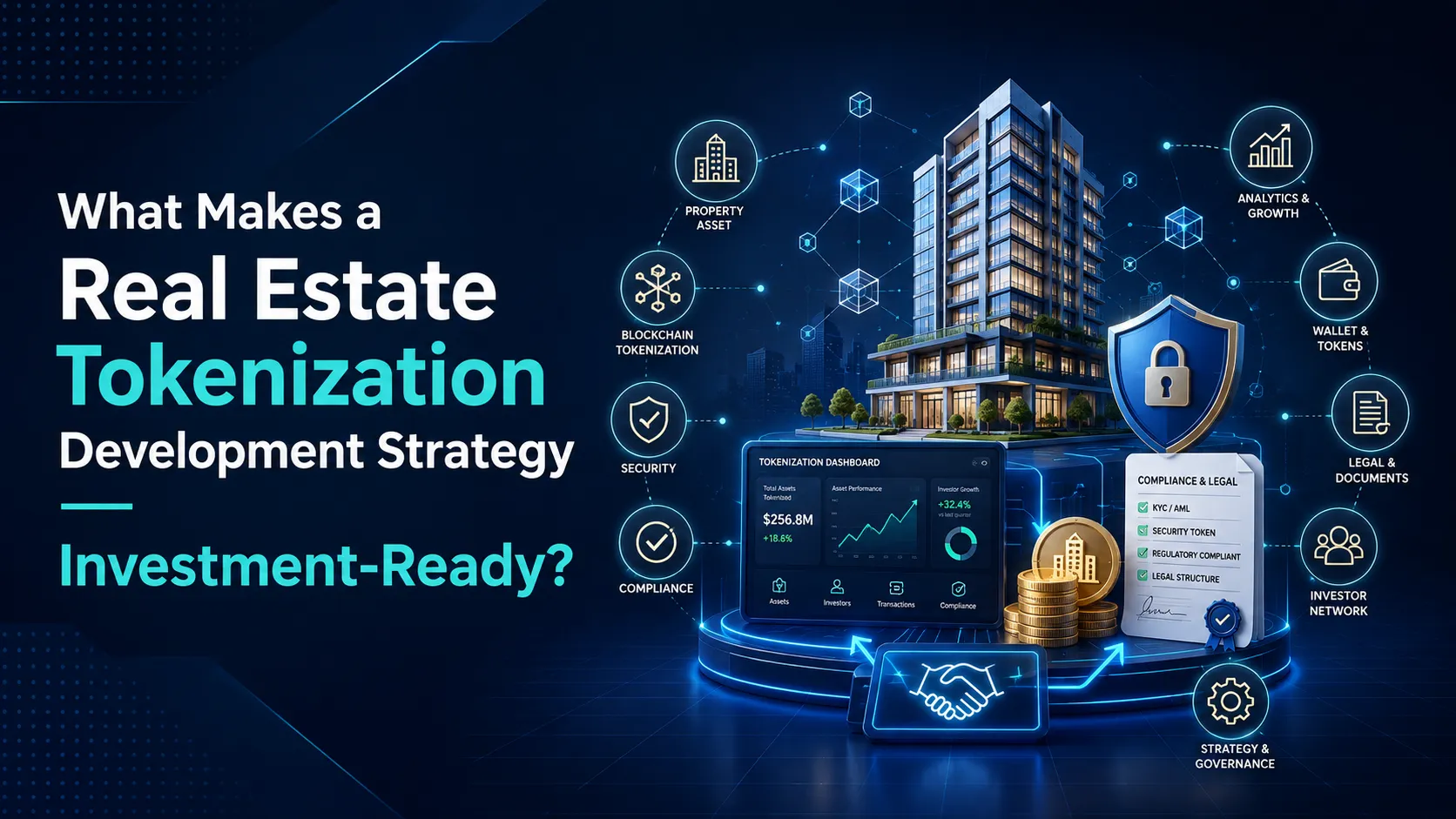
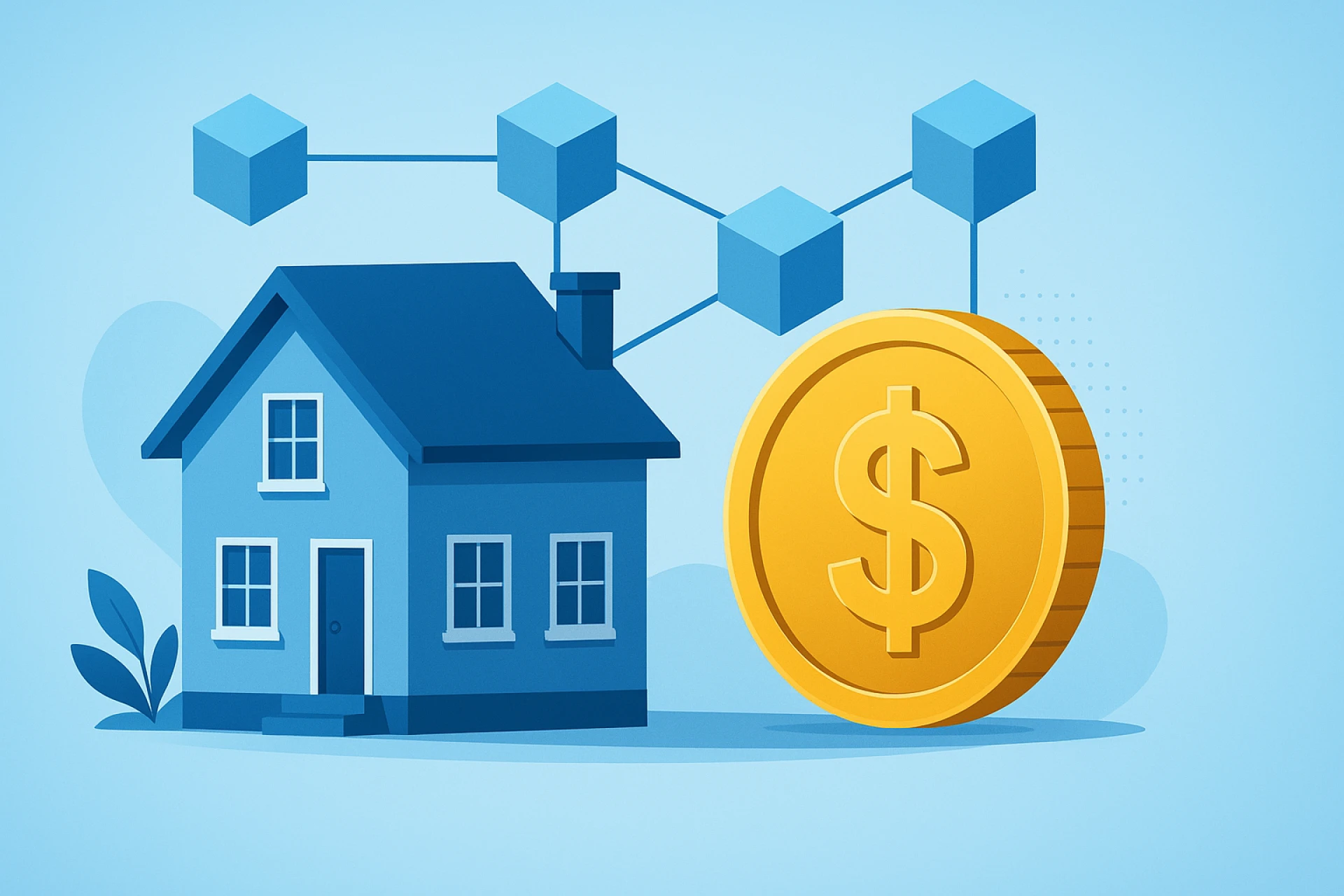
Real estate has traditionally required large amounts of capital, lengthy paperwork, extensive legal checks, and direct involvement from financial institutions or property managers. Blockchain technology is changing how ownership records, investment structures, and property transactions can be organized. Through real estate token development, property interests can be represented as digital tokens and managed through blockchain-based systems.
Tokenized properties can represent fractional interests in commercial buildings, residential projects, hotels, warehouses, land, and other property assets. Investors may participate with smaller amounts of capital depending on the legal and financial structure of a project. At the same time, property owners can create digital investment products around assets that were previously difficult to divide among many participants.
The growth of real estate tokenization is not linked to one technology or business model. Several developments are contributing to the market, including fractional ownership, automated compliance, blockchain-based settlement, digital investor onboarding, tokenized funds, and secondary trading environments. These trends are giving real estate businesses new ways to structure property investment products.
1. Fractional Property Ownership Is Gaining Attention
One of the most visible trends in real estate tokenization is fractional ownership. A property can be represented through a collection of digital tokens, with each token representing a defined economic or ownership interest according to the legal framework used for the project.
Method: Dividing Property Interests Into Digital Units
A property owner can establish a legal entity or investment structure that holds the property. Digital tokens can then represent shares, units, or other rights associated with that structure. Instead of requiring one investor to purchase an entire property, the investment can be divided into smaller portions.
This approach may widen participation in selected property markets. Investors can choose exposure based on their available capital, while property owners can reach a broader investor base. The actual rights attached to each token remain dependent on securities laws, property laws, contractual terms, and the structure of the offering.
2. Tokenized Real Estate Funds Are Expanding
Another emerging trend involves tokenized real estate funds. Rather than issuing tokens against a single building, businesses can create portfolios containing multiple properties. The tokens may represent an interest in the fund or another legally defined investment structure.
Method: Combining Multiple Properties Into One Digital Investment
A fund can hold several commercial, residential, hospitality, or industrial properties. Investors receive digital tokens representing their participation in the fund. Rental income, property appreciation, or other returns can be distributed according to the fund's terms.
For a real estate tokenization company, this model creates opportunities to serve asset managers and investment firms that want digital distribution for property portfolios. It also creates demand for real estate tokenization platform development with portfolio management, investor records, reporting, and compliance functions.
3. Automated Distribution of Property Income
Rental income is another area receiving attention in tokenized property models. Traditional property investment often involves manual accounting, payment processing, and investor reporting. Blockchain-based systems can connect token ownership records with distribution logic.
Method: Using Smart Contracts for Scheduled Payments
Smart contracts can be programmed to calculate and distribute payments based on predefined conditions. For example, an investment structure could distribute rental income to eligible token holders according to their recorded holdings.
The process still requires reliable financial records and appropriate banking or payment infrastructure. Smart contracts do not remove accounting or regulatory responsibilities. Instead, they provide a programmable layer for carrying out certain agreed processes.
4. Compliance Is Moving Into the Token Lifecycle
Real estate tokens often involve regulated investment products. As the sector develops, compliance is becoming closely connected with token issuance and investor management.
Method: Adding Identity and Eligibility Checks
A real estate asset tokenization company can incorporate identity verification, investor accreditation checks where applicable, geographic restrictions, transaction limits, and other controls into the platform.
Wallet addresses can be connected with verified investor profiles. Transfer rules can then restrict transactions involving unauthorized wallets or investors who do not satisfy specific requirements.
This approach is particularly relevant for businesses entering regulated property markets. A real estate tokenization development company may therefore need to consider compliance architecture from the beginning rather than treating it as an additional platform feature.
5. Secondary Markets Could Improve Token Liquidity
Property has historically been considered an illiquid investment because selling an ownership interest can take considerable time. Tokenization does not automatically make real estate liquid, but it can create infrastructure for regulated secondary transactions.
Method: Creating Controlled Token Trading Environments
A tokenized property platform can connect eligible investors through an exchange, marketplace, or approved trading environment. Transfer restrictions can remain active while buyers and sellers interact through the digital system.
The development of regulated secondary markets could influence the future demand for real estate tokenization platform development. Investors may place greater value on property products when there is a defined process for transferring their interests.
However, liquidity depends on investor demand, regulatory permissions, asset quality, market conditions, and the trading structure. Token issuance by itself does not guarantee an active market.
6. Stablecoins and Digital Payments Are Entering Property Transactions
Digital payment infrastructure is another trend influencing tokenized property markets. Some blockchain ecosystems support stablecoin payments, which can provide a digital settlement option for certain investment transactions.
Method: Connecting Token Transactions With Digital Payments
A platform can integrate supported digital currencies or payment systems for investor subscriptions and distributions, subject to applicable regulations. This can reduce the number of manual steps involved in moving funds between investors and investment structures.
For businesses considering real estate tokenization development, payment integration needs to be planned alongside custody, accounting, tax reporting, and compliance requirements. The payment method should match the jurisdiction and legal structure of the property offering.
7. Real Estate Tokens Are Moving Toward Multi-Chain Infrastructure
Blockchain networks differ in transaction costs, technical features, user communities, and ecosystem support. As tokenized property markets grow, some projects may operate across multiple networks.
Method: Supporting More Than One Blockchain Network
A real estate tokenization platform development company can design infrastructure that supports selected blockchain networks while maintaining consistent investor records and token rules.
Multi-chain infrastructure may be useful when a project needs access to different investor groups or blockchain ecosystems. However, each additional network introduces technical considerations involving smart contracts, wallets, bridges, security, transaction monitoring, and data synchronization.
For this reason, real estate token development increasingly involves decisions about blockchain selection rather than simply choosing a network based on popularity.
8. Property Data and Oracles Are Becoming More Important
Tokenized property markets require information beyond blockchain ownership records. Property valuations, rental income, occupancy levels, interest rates, and other external data may influence investment calculations.
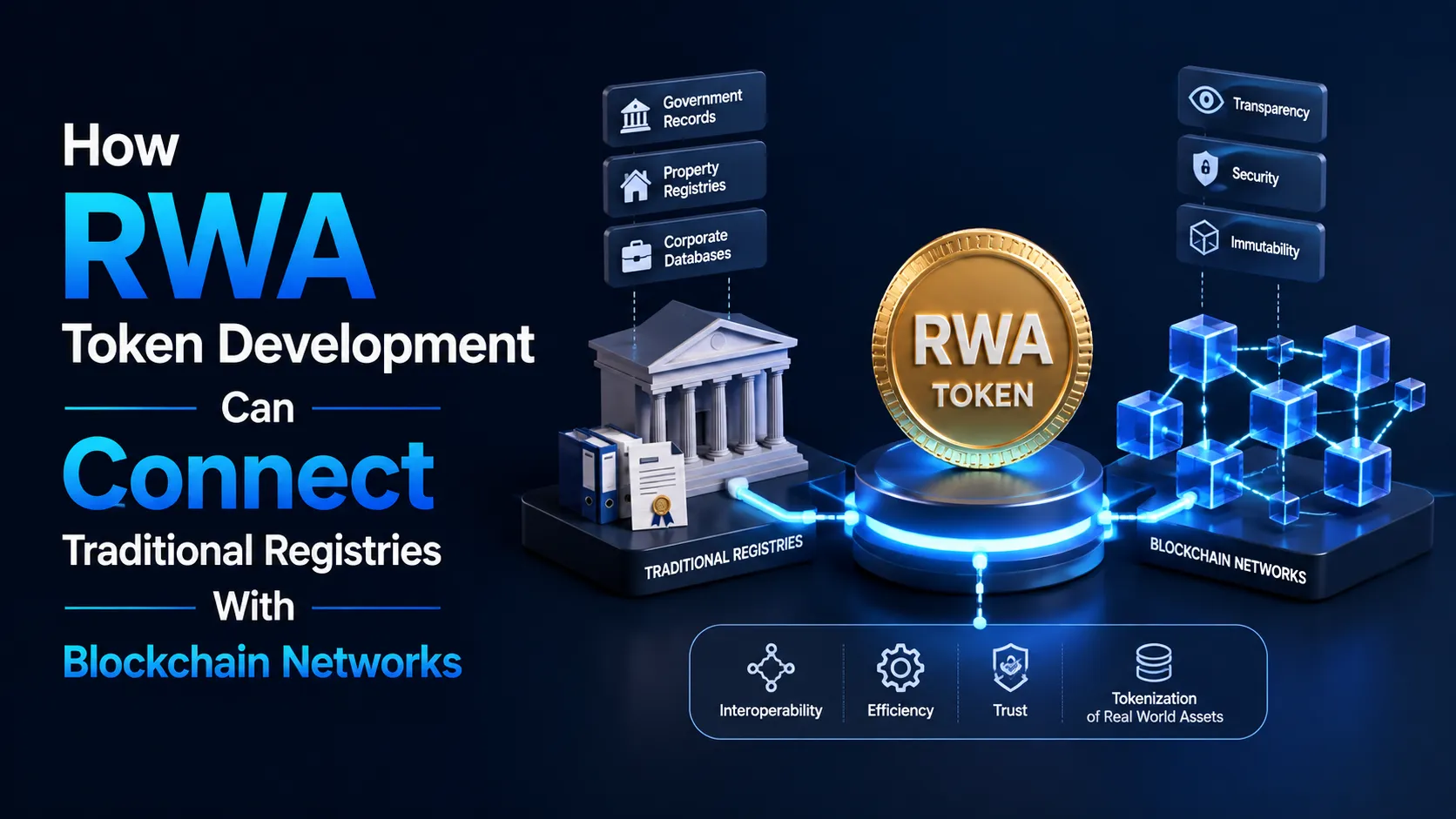
Method: Connecting Off-Chain Property Data With Blockchain Systems
Oracle services can bring selected external information into blockchain applications. For example, a platform may use property valuation data when calculating portfolio metrics or monitoring investment conditions.
Reliable data sources are important because inaccurate information can affect automated processes. A real estate tokenization platform therefore needs appropriate data validation and monitoring procedures.
This trend is also creating opportunities for a real estate tokenization company to offer property data integrations as part of its technology stack.
9. AI Is Supporting Property Investment Operations
Artificial intelligence is also entering tokenized real estate platforms. AI can assist with document processing, property analysis, investor support, risk monitoring, and reporting.
Method: Combining AI With Blockchain Records
Blockchain can maintain transaction and ownership records, while AI can analyze large volumes of property and financial information. For example, AI systems can classify property documents, summarize reports, identify unusual transaction patterns, or assist customer service teams.
The two technologies serve different purposes. Blockchain focuses on records, transaction rules, and digital ownership structures, while AI focuses on analysis and automation. Their combination could become more common as property platforms mature.
10. Digital Property Portfolios Are Becoming More Diverse
Tokenization is no longer limited to luxury residential properties. Businesses are considering commercial offices, retail properties, logistics facilities, student housing, hotels, healthcare buildings, vacation rentals, and other asset classes.
Method: Creating Asset-Specific Token Models
Each property category has different revenue structures, operating requirements, investor expectations, and legal considerations. A platform can therefore support different token models depending on the underlying asset.
For example, hotel properties may generate revenue through room bookings, while warehouses may rely on long-term leases. Residential portfolios may involve monthly rental income, whereas development projects may depend on completion and eventual sale.
This diversity creates a wider market for real estate tokenization services and specialized investment products.
11. White Label Platforms Are Supporting Faster Market Entry
Businesses that do not want to develop every platform component internally may consider white label solutions. These platforms can provide pre-existing modules for token issuance, investor management, dashboards, compliance workflows, and other functions.
Method: Starting With Existing Platform Infrastructure
A business can select a white label solution and configure its property investment model around the available technology. The approach can reduce the amount of development work required for an initial launch.
The actual development requirements depend on the business model. A property fund may need different functions from a property marketplace or a platform focused on fractional ownership.
A real estate tokenization development company can help businesses evaluate which modules are required and which features need additional development.
12. Institutional Participation Is Influencing Platform Requirements
Institutional investors and financial businesses are paying increasing attention to digital assets and tokenized financial products. Their involvement can influence the technical requirements of property tokenization platforms.
Method: Adding Institutional-Grade Operations
Institutional users may require detailed reporting, investor permissions, audit trails, custody integrations, compliance records, and administrative controls.
A platform serving this segment may therefore require more sophisticated workflows than a basic token issuance application. Security reviews, access management, transaction monitoring, and reporting can become important parts of the development process.
This trend may also affect how the market evaluates the Top real estate tokenization companies and Best real estate tokenization companies, particularly when comparing their technology, compliance capabilities, asset coverage, and operational infrastructure.
13. Tokenized Properties Could Connect With DeFi Infrastructure
Another emerging possibility is the connection between compliant tokenized real estate and decentralized finance applications. Real estate tokens could potentially be used within approved lending or investment structures where regulations permit.
Method: Linking Property Tokens With Financial Applications
A token representing an eligible property interest could serve as an asset within a lending or investment application. Smart contracts could manage predefined conditions while the underlying property remains governed by its legal ownership structure.
This area requires careful attention because real estate securities and financial products are regulated differently across jurisdictions. Projects need to establish whether the token can legally participate in a particular financial application before implementing such functionality.
14. Real Estate Token Development Is Becoming More Business-Focused
The market is moving beyond the idea of simply placing property information on a blockchain. Businesses are increasingly considering the complete investment lifecycle, from property selection and legal structuring to investor onboarding, token issuance, reporting, distributions, and secondary transfers.
Method: Designing the Platform Around the Investment Lifecycle
A successful real estate token development project begins with the asset and its legal structure. The technology should then support the requirements of investors, property managers, administrators, and regulators.
This approach can result in platforms that address practical business processes rather than focusing only on token creation. It also gives property businesses a framework for managing multiple assets and investment products over time.
Conclusion
Real estate tokenization is developing through several connected trends, including fractional ownership, tokenized property funds, automated income distribution, compliance controls, secondary markets, digital payments, multi-chain infrastructure, property data integration, AI-assisted operations, and institutional participation. These developments are giving property businesses new ways to structure and manage digital investment products. At the same time, legal frameworks, investor protection, asset quality, custody, taxation, and market liquidity remain important considerations. Real estate tokenization development is therefore becoming a broader technology and business process rather than a simple token issuance exercise. Companies entering this market need infrastructure that reflects their property type, investor model, jurisdiction, and operational requirements. Blockchain App Factory provides Real estate tokenization development services for businesses looking to create property-focused blockchain platforms, token issuance systems, investor dashboards, and related digital asset infrastructure.
FAQs
1. What is real estate token development?
Real estate token development is the process of creating blockchain-based tokens that represent ownership, economic rights, shares, or interests connected with real estate assets or legally structured property investment vehicles.
2. How does real estate tokenization work?
Real estate tokenization generally involves selecting a property, establishing the appropriate legal ownership or investment structure, defining token rights, developing smart contracts, completing investor verification, issuing tokens, and managing transfers and distributions.
3. What properties can be tokenized?
Residential buildings, commercial offices, hotels, warehouses, retail properties, healthcare facilities, student housing, vacation rentals, and property portfolios can potentially be represented through tokenized structures, depending on applicable laws.
4. Why are investors interested in tokenized properties?
Tokenized property models can offer fractional participation, digital ownership records, structured income distributions, and potential access to secondary markets. The actual benefits depend on the investment structure and regulatory framework.
5. What does real estate tokenization platform development include?
It can include property management, token issuance, smart contracts, investor onboarding, identity verification, compliance controls, wallet management, payment processing, portfolio dashboards, reporting, distributions, and transfer management.
6. What does a real estate tokenization platform development company do?
A real estate tokenization platform development company can provide technical services for designing, developing, testing, deploying, and maintaining blockchain infrastructure used for property tokenization and digital investment management.
7. Is real estate tokenization legal?
The legality of a tokenized property offering depends on the country, asset structure, investor rights, securities classification, ownership model, and other regulatory requirements. Legal and compliance advice should be obtained before launching an offering.
8. Does tokenization guarantee property liquidity?
No. Tokenization can provide technology for digital transfers, but liquidity depends on investor demand, market conditions, regulatory permissions, trading venues, and the structure of the investment product.
9. What is the role of smart contracts in real estate tokenization?
Smart contracts can manage predefined rules related to token issuance, transfers, investor eligibility, ownership records, and distributions. Their functions depend on the legal and technical design of the platform.
10. How can businesses start real estate tokenization development?
Businesses typically begin by selecting the property or portfolio, defining the investment model, reviewing legal requirements, choosing a blockchain network, planning platform functions, developing smart contracts, conducting security testing, and preparing the platform for launch.




















Sign in to leave a comment.