

Effective Applied Behavior Analysis (ABA) programs depend on accurate and timely data. Teachers, Board Certified Behavior Analysts (BCBAs), and Registered Behavior Technicians (RBTs) all play important roles in supporting students and clients, and each professional may contribute to the data collection process.
When ABA data is collected on paper or entered into spreadsheets long after a session ends, teams can face delays, inconsistencies, and unnecessary administrative work. Real-time digital data collection provides a more efficient way to record information during sessions and make that information available for clinical review.
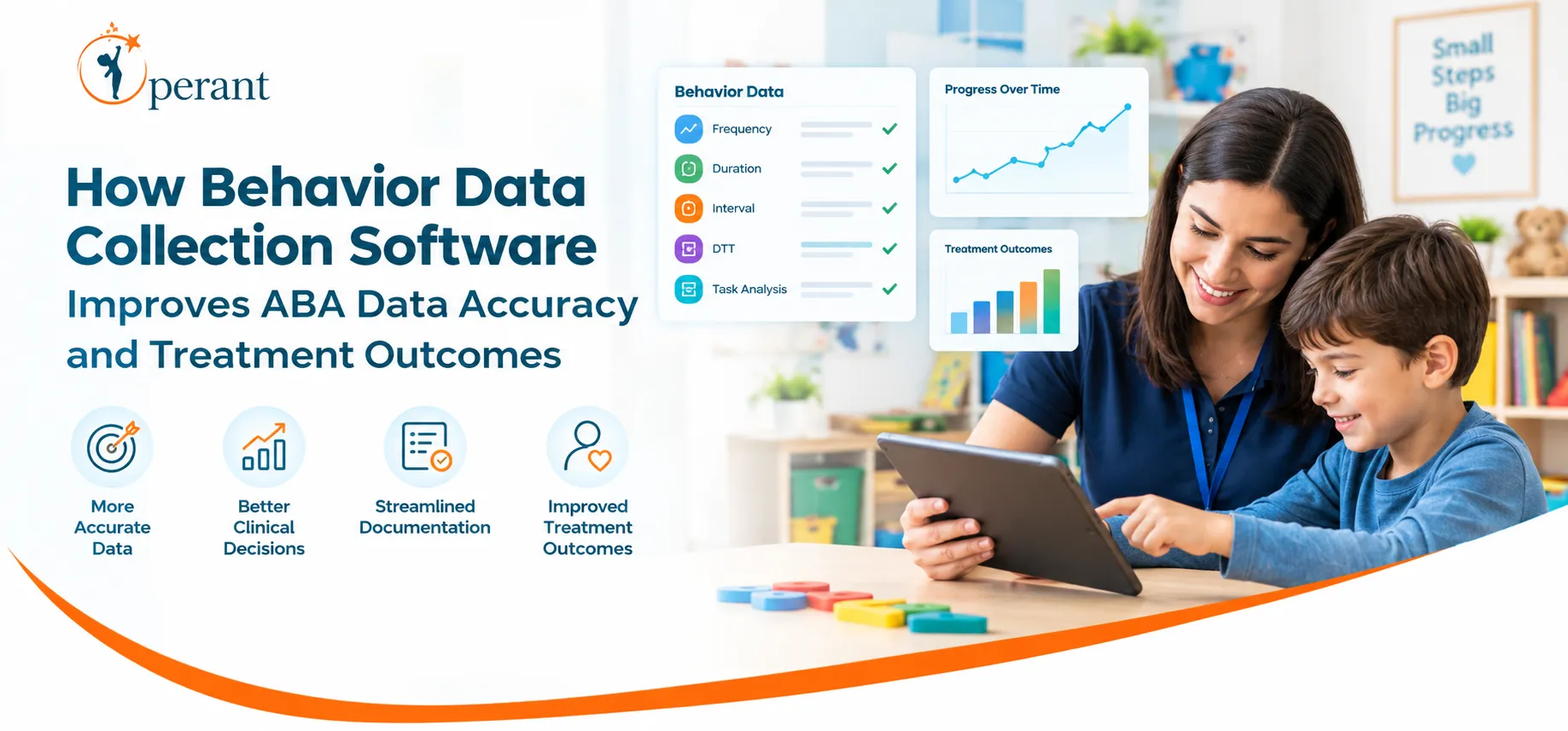
Modern ABA data collection services can help behavioral teams collect, organize, and monitor data while services are being delivered. With the right technology, teachers, BCBAs, and RBTs can spend less time managing paperwork and more time supporting meaningful progress.
Why Real-Time ABA Data Collection Matters
ABA data helps professionals understand how an individual is responding to interventions and whether progress is being made toward established goals.
Real-time data collection means information can be recorded as events occur rather than relying on memory or completing documentation hours later. This can help improve the consistency of session documentation and give clinical teams faster access to relevant information.
For example, an RBT working with a student can record behavior or skill-acquisition data directly during a session. A BCBA can later review that information to identify patterns and evaluate progress. Teachers can also use relevant behavioral information to better understand how students are performing within classroom routines.
The Role of Teachers in ABA Data Collection
Teachers often have valuable insight into student behavior because they interact with students throughout the school day. Depending on the program and their role, teachers may observe behaviors, support intervention strategies, and collaborate with BCBAs and RBTs.
However, classroom environments can be busy. Teachers may not have time to manage complicated paper-based data systems.
A digital approach can simplify the process by giving authorized team members an organized way to record and review relevant information. When data is easier to access, communication between educational and behavioral teams can also become more efficient.
How BCBAs Benefit From Real-Time Data
BCBAs rely on data to evaluate interventions and make informed clinical decisions. Reviewing accurate information from multiple sessions can help them identify trends and determine whether programming may need to be adjusted.
Real-time digital data collection can provide BCBAs with faster access to current and historical session information. Instead of waiting for paper forms to be collected and entered into another system, BCBAs can review organized data through a centralized platform.
Visual reports and graphs can also make it easier to recognize patterns in behavior and skill acquisition. This can support more efficient progress monitoring and clinical discussions.
How RBTs Can Collect Data More Efficiently
RBTs frequently collect data directly during ABA sessions. Because they work directly with clients, they need tools that are practical and easy to use while simultaneously delivering services.
Paper forms can be cumbersome, particularly when RBTs are working in classrooms, homes, community environments, or other active settings.
Digital ABA data collection services can allow RBTs to record session information using mobile devices. This can reduce the need to carry large amounts of paperwork and minimize the amount of information that must be transferred later.
Reduce Manual Documentation
One of the biggest challenges with traditional ABA data collection is duplication of effort.
A provider may first record information on paper, then manually transfer it into a spreadsheet, and later use that spreadsheet to create reports. Each additional step requires time and creates another opportunity for transcription errors.
Digital data collection can streamline this workflow by allowing information to be recorded directly into a centralized system. This can help reduce repetitive data entry and allow behavioral professionals to focus more attention on direct services and clinical responsibilities.
Collect Data Across Different Environments
ABA services are not limited to one location. Students and clients may receive services at school, at home, in residential programs, or in other environments.
For this reason, flexibility is an important consideration when selecting an ABA data collection solution.
Operant Systems supports digital ABA data collection across different service environments. The platform allows users to collect session information using devices such as phones, tablets, and laptops, with online and offline functionality designed for real-world ABA settings.
This flexibility can be particularly valuable when providers work in locations where internet connectivity may be inconsistent.
Turn Data Into Actionable Information
Collecting data is only part of the process. Teams also need to be able to review and understand what the data is showing.
Real-time data can help professionals monitor skill acquisition, track behavior, identify trends, and evaluate progress toward treatment goals. BCBAs can use this information as part of their clinical decision-making process, while teachers and RBTs can contribute consistent observations from their respective environments and roles.
The result is a more connected approach to ABA service delivery.
Improve Collaboration Across ABA Teams
Effective ABA programs often involve several professionals working toward shared goals. When everyone has access to organized and relevant information, collaboration can become easier.
A centralized digital system can help reduce fragmented documentation and provide a clearer picture of session history. This can support communication between BCBAs, RBTs, teachers, and other authorized members of the behavioral team.
Choosing the Right ABA Data Collection Services
Organizations evaluating ABA data collection services should consider whether the solution is designed around the actual needs of behavioral professionals.
Important features may include mobile data collection, online and offline access, behavior tracking, skill-acquisition tracking, real-time graphs, reporting tools, and secure client information management.
The platform should also be easy enough for staff to use consistently during active sessions.
Modernize ABA Data Collection With Operant Systems
Real-time data collection can help schools and behavioral programs create a more efficient approach to documentation and progress monitoring. By recording information digitally as sessions occur, teachers, BCBAs, and RBTs can spend less time managing paperwork and more time focusing on the people they support.
Operant Systems provides ABA-focused technology designed to help modern behavioral teams collect session data, monitor behavior and skill acquisition, visualize progress, and support data-driven clinical decisions.
For organizations looking to improve the efficiency and consistency of their ABA documentation, modern ABA data collection services can provide the foundation for a more connected, data-driven workflow.
























Sign in to leave a comment.