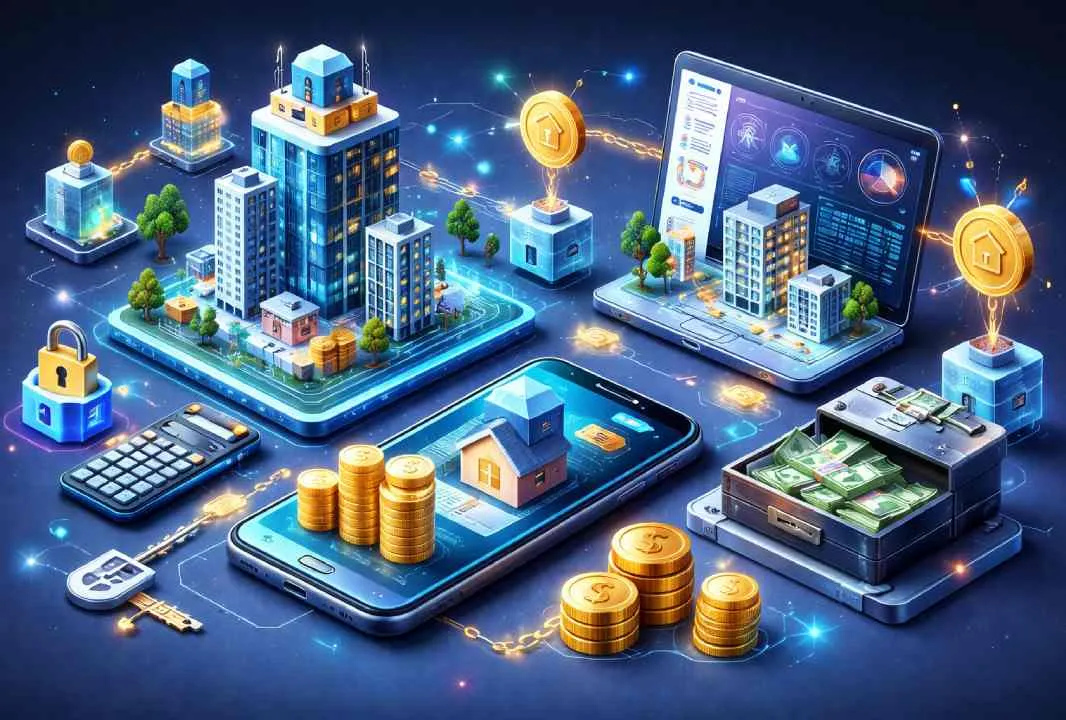

Financial markets are entering a period where ownership, settlement, and asset management are becoming increasingly digital. While blockchain initially gained attention through cryptocurrencies, its potential application now extends far beyond digital currencies. One of the most significant developments is real world asset tokenization, which brings physical and traditional financial assets onto blockchain-based infrastructure.
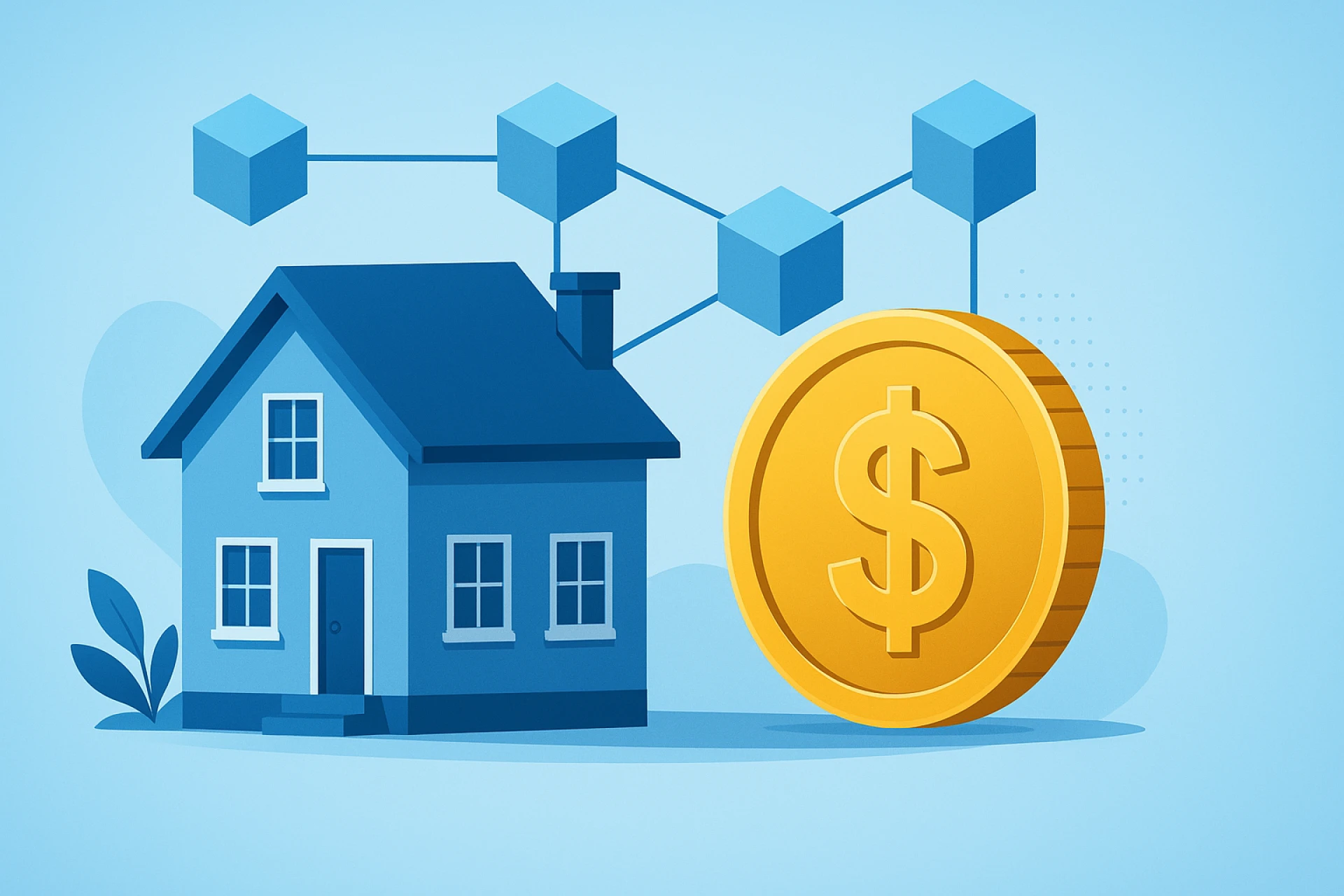
Real estate, government bonds, private credit, commodities, infrastructure, funds, and other assets can potentially be represented through digital tokens. This creates the possibility of connecting traditionally fragmented asset markets with programmable digital financial systems.
The bigger question is whether RWA tokenization could eventually become more than an alternative method of representing assets. Could it become part of the underlying market infrastructure through which assets are issued, transferred, settled, and managed? The answer depends on regulatory clarity, institutional adoption, interoperability, liquidity, and the ability to connect blockchain networks with existing financial systems. Nevertheless, the potential transformation is substantial.
What Is Real World Asset Tokenization?
Real world asset tokenization is the process of representing ownership rights, economic interests, or claims associated with real-world assets tokenization as blockchain-based tokens. The underlying asset remains connected to a legal and financial framework outside the blockchain, while the token provides a digital representation of defined rights.
Potentially tokenized assets include:
- Real estate
- Government securities
- Corporate bonds
- Private credit
- Investment funds
- Commodities
- Infrastructure assets
- Intellectual property
- Trade receivables
- Carbon credits
The important distinction is that tokenization does not automatically make an asset legally transferable or liquid. The legal structure behind the token determines what rights investors actually possess. This makes legal architecture just as important as blockchain technology.
Why RWA Tokenization Could Become Market Infrastructure
Traditional financial markets are built around multiple layers of infrastructure. Issuance, custody, trading, clearing, settlement, reporting, and compliance are often handled by different institutions and technology systems. Tokenization has the potential to combine some of these functions into a more integrated digital environment. Instead of treating blockchain simply as a database for ownership records, financial institutions can use programmable tokens to automate specific processes throughout an asset's lifecycle. This could create a new infrastructure layer connecting issuers, investors, financial institutions, marketplaces, custodians, and regulators.
1. Tokenization Can Modernize Asset Issuance
Traditional asset issuance can involve extensive documentation, intermediaries, verification processes, and administrative coordination. Tokenized assets can be created through smart-contract-based issuance systems that define ownership, transfer restrictions, payment conditions, and other rules. For example, a financial institution issuing a tokenized bond could potentially automate:
- Investor eligibility checks
- Token allocation
- Interest calculations
- Coupon distributions
- Ownership records
- Maturity and redemption
This could make issuance more standardized and efficient.
2. Blockchain Can Connect Issuance and Settlement
One of the major limitations of traditional markets is the separation between trading and settlement. An asset may be traded on one system while ownership records are updated elsewhere. Payment may then occur through another financial infrastructure. Tokenization can bring the asset and transaction process closer together. When a compliant tokenized asset is transferred, ownership records can be updated directly on the blockchain. If integrated with suitable payment infrastructure, delivery-versus-payment mechanisms can also become more automated. This could reduce reconciliation requirements and settlement friction.
3. Tokenized Assets Can Improve Market Transparency
Transparency is another potential advantage of tokenized markets. Blockchain networks can maintain verifiable records of transactions, ownership changes, and asset-related activity. Depending on the design of the system, authorized participants can access relevant information without relying exclusively on separate reporting databases.
For institutional markets, this could improve:
- Auditability
- Transaction tracking
- Ownership verification
- Reporting
- Reconciliation
However, transparency must be balanced with privacy. Institutional financial markets cannot expose sensitive investor or transaction information indiscriminately. Therefore, future tokenization infrastructure will likely combine blockchain transparency with permissioned access and privacy-preserving technologies.
Major Asset Classes Driving RWA Tokenization
Real Estate
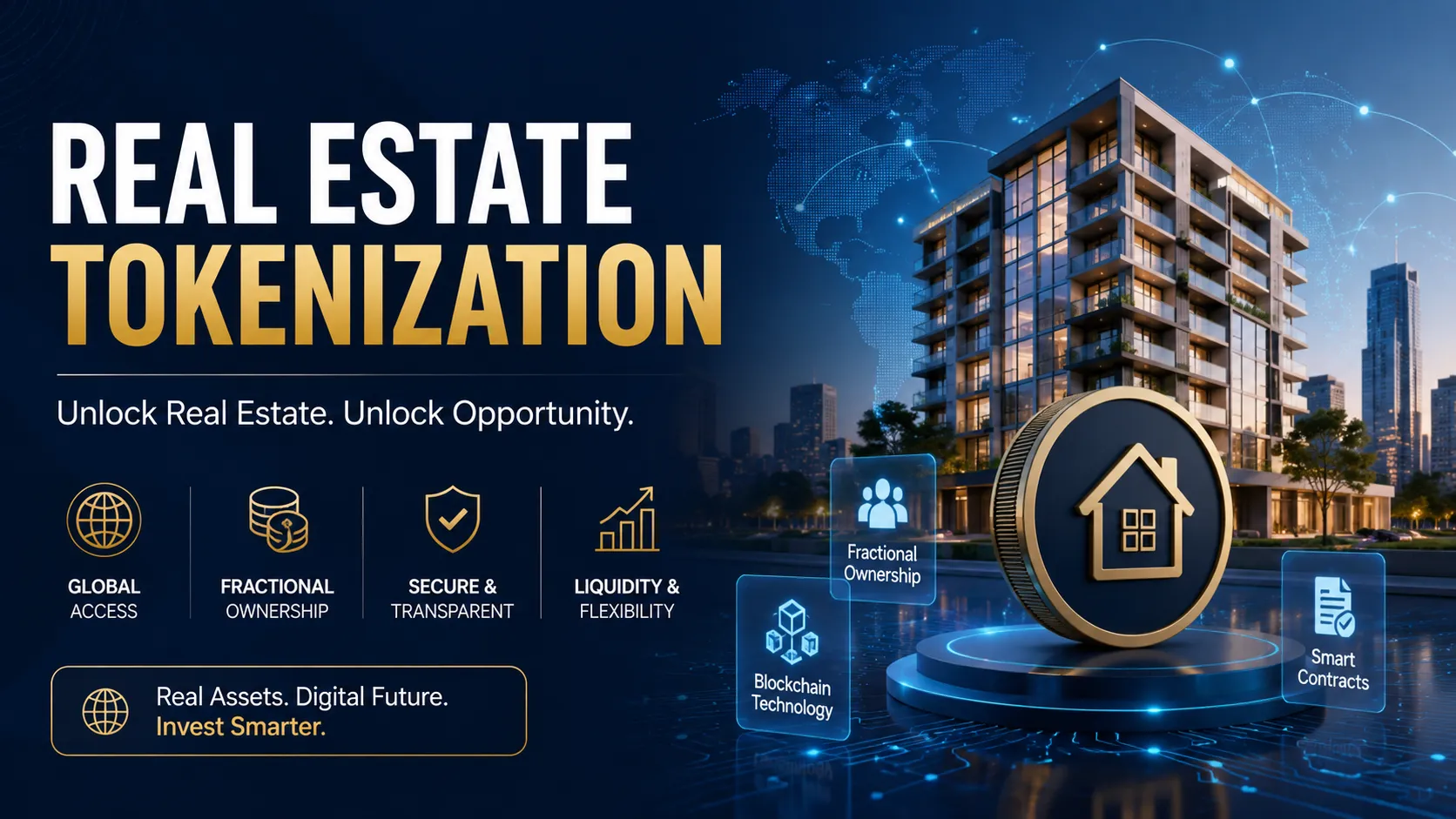
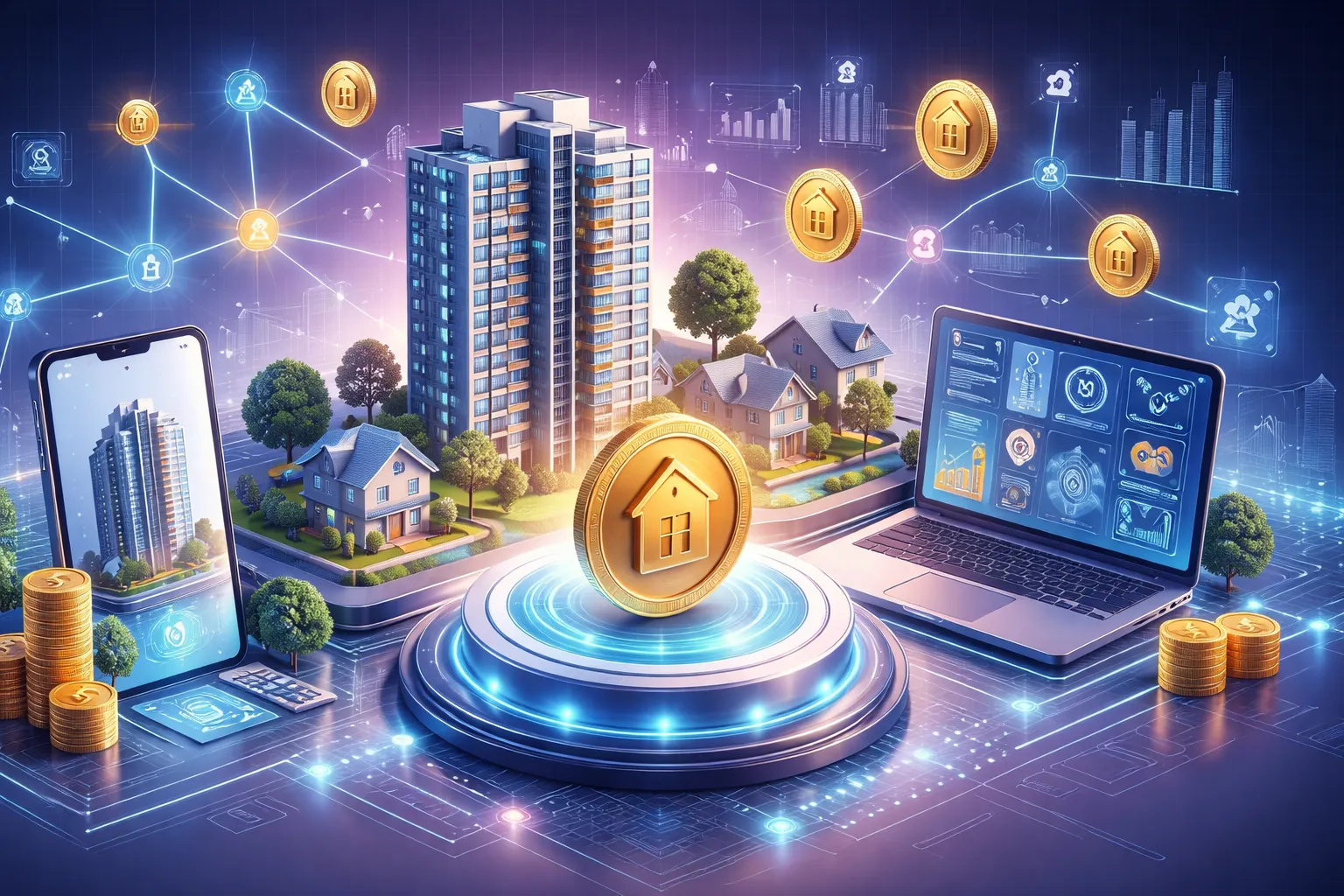
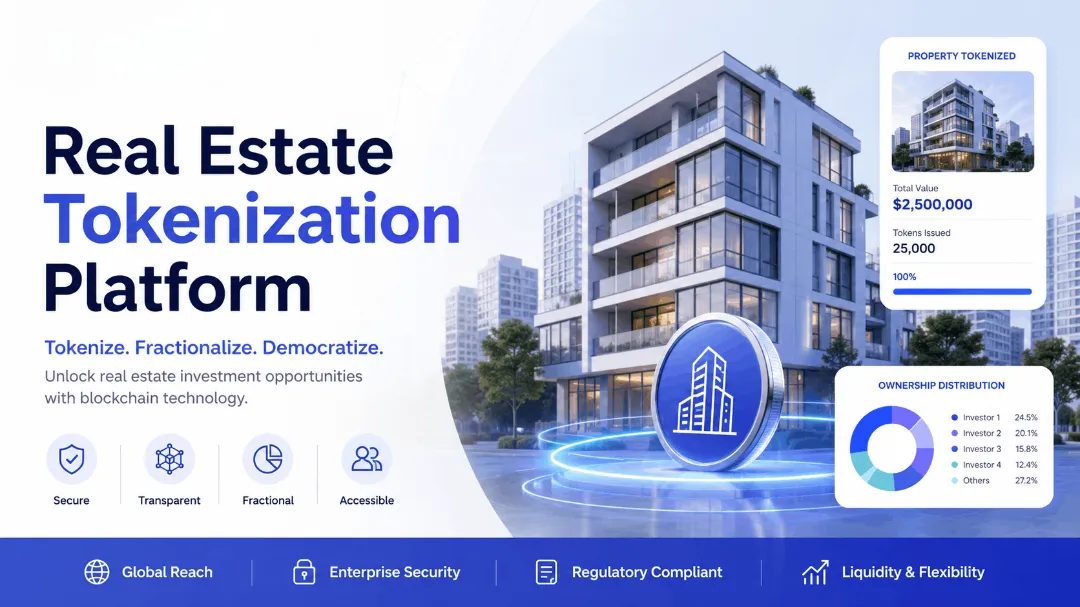
Real estate is one of the most frequently discussed applications of tokenization. Properties can potentially be placed into legally structured entities, with digital tokens representing fractional ownership or economic rights associated with those entities. This can support fractional investment, automated distributions, and potentially more flexible transfer mechanisms. Commercial properties, residential rental portfolios, hotels, warehouses, and other income-generating assets could all potentially participate in tokenized structures.
Government and Corporate Bonds
Fixed-income markets are another important area for tokenization. Tokenized bonds can automate issuance, interest payments, ownership tracking, and maturity settlement. For issuers, blockchain-based infrastructure could reduce administrative complexity. For investors, it can provide more transparent digital access to fixed-income instruments. This makes bond tokenization an important component of the broader RWA ecosystem.
Private Credit
Private credit markets are traditionally characterized by customized agreements, extensive documentation, and limited liquidity. Tokenization can represent loan interests, receivables, or other credit instruments digitally. Smart contracts can potentially automate interest calculations, payment schedules, and reporting. This could improve operational efficiency while creating new distribution models for private credit products.
Investment Funds
Fund tokenization enables fund units to be represented digitally. Investors can receive blockchain-based representations of their interests while fund administrators continue managing the underlying portfolio. Tokenized funds could eventually interact with broader digital financial infrastructure, potentially improving subscription, transfer, and settlement processes.
Commodities and Other Physical Assets
Gold, agricultural commodities, energy-related assets, and other physical assets can potentially be connected to blockchain-based tokens. However, tokenization requires reliable mechanisms to establish that the physical asset exists and that the token holder has enforceable rights to it. This makes custody, verification, and legal ownership critical components of commodity tokenization.
How Tokenization Could Transform Market Operations
Automated Compliance
Compliance is one of the most important areas where tokenization could improve financial infrastructure. Rather than checking every transaction manually, smart contracts can incorporate rules governing who is allowed to hold or transfer an asset.
These rules could include:
- KYC requirements
- AML controls
- Investor accreditation
- Geographic restrictions
- Holding periods
- Transfer limitations
The result could be a market where compliance becomes embedded into transaction infrastructure rather than performed entirely after transactions occur.
Programmable Asset Management
Tokenized assets are programmable. This means financial rules can be incorporated directly into the digital asset. For example, a tokenized bond could contain logic governing coupon payments and maturity. A tokenized real estate investment could automate income distributions. A private credit token could execute predefined payment calculations. This programmability could transform asset servicing from a largely administrative function into an automated financial process.
Fractionalization and Broader Market Access
Tokenization can divide ownership or economic interests into smaller digital units. Fractionalization does not automatically make an asset suitable for every investor, because securities regulations and offering restrictions still apply. However, where legally permitted, smaller denominations could make certain investments more accessible. This could potentially expand participation in markets historically dominated by large institutional investors.
Potentially Faster Settlement
Blockchain-based infrastructure can support much faster transfer and settlement than conventional processes. Instead of waiting for multiple systems to reconcile ownership and payment information, tokenized transactions can update digital ownership records directly.
The exact settlement speed depends on the blockchain, payment system, regulatory framework, and market design, but the infrastructure creates the possibility of significantly shorter settlement cycles.
The Role of Smart Contracts in RWA Infrastructure
Smart contracts are central to the infrastructure thesis surrounding RWA tokenization.
They can define and execute predetermined financial rules without requiring every step to be handled manually.
For example:
Asset issuance → Investor verification → Token allocation → Income generation → Automated distribution → Secondary transfer → Redemption
Smart contracts can connect several of these processes into a unified workflow.
However, smart contracts cannot independently verify physical reality. An oracle, custodian, registrar, property manager, or other trusted data source may still be necessary to confirm events occurring outside the blockchain. This means future RWA infrastructure is likely to combine blockchain-based automation with reliable off-chain data and legal systems.
Challenges That Could Prevent Tokenization From Becoming Core Infrastructure
1. Regulatory Fragmentation
Financial regulation varies significantly between jurisdictions. A token representing a real estate interest in one country may be regulated differently from a similar token elsewhere. Without harmonized regulatory frameworks, global tokenized markets may remain fragmented.
2. Legal Enforceability
A blockchain record does not automatically establish legal ownership. Tokenization must be connected to enforceable legal rights. Investors need to understand exactly what the token represents and what happens if the issuer, asset owner, or platform defaults. Strong legal structuring is therefore essential.
3. Interoperability
The future market may contain multiple blockchains, token standards, custodians, exchanges, and payment networks. If these systems cannot communicate effectively, tokenization could create new silos instead of removing existing ones. Interoperability will therefore be a critical requirement for scalable RWA infrastructure.
4. Liquidity and Secondary Markets
Tokenization does not guarantee liquidity. A tokenized asset still needs buyers, sellers, compliant marketplaces, market makers, and sufficient demand. Without active secondary markets, tokenization may simply digitize ownership without fundamentally improving exit opportunities.
5. Custody and Asset Verification
For physical assets, the blockchain cannot physically hold or verify the asset itself.
Real estate, commodities, equipment, and infrastructure require reliable custodians, registries, auditors, and other verification mechanisms. The connection between on-chain tokens and off-chain assets must remain robust throughout the asset lifecycle.
6. Technology and Cybersecurity
Smart contracts, wallets, blockchain networks, and tokenization platforms create new technical dependencies. Security vulnerabilities can affect ownership records, asset transfers, and financial transactions. Institutional adoption therefore requires strong cybersecurity, recovery mechanisms, identity infrastructure, and operational controls.
What Could the Next RWA Market Infrastructure Look Like?
A mature tokenized market could contain several interconnected layers.
Asset Layer
Real estate, bonds, funds, commodities, credit, and other assets.
Legal Layer
SPVs, trusts, contracts, securities frameworks, ownership rights, and regulatory structures.
Tokenization Layer
Smart contracts and blockchain-based representations of assets.
Identity and Compliance Layer
KYC, AML, investor eligibility, jurisdictional controls, and transaction monitoring.
Payment Layer
Stablecoins, tokenized deposits, central bank money, or other regulated digital payment instruments.
Marketplace Layer
Primary issuance platforms and compliant secondary markets.
Data Layer
Oracles, asset valuations, property data, credit information, and external event verification.
Settlement and Custody Layer
Digital custody, asset servicing, reconciliation, and settlement infrastructure.
The integration of these layers could transform tokenization from an isolated financial product into a broader market infrastructure.
The Business Impact of RWA Tokenization
For financial institutions, tokenization can create opportunities to develop new digital financial products while improving existing processes.
Asset managers could tokenize fund interests. Banks could issue tokenized deposits or securities. Real estate companies could create fractional investment structures. Private credit platforms could digitize loan portfolios.
For investors, tokenization could provide greater transparency and potentially more flexible access to previously difficult-to-access assets.
For asset owners, it could create new fundraising and distribution channels.
The broader economic impact could therefore extend beyond blockchain companies to banks, asset managers, exchanges, fintech companies, legal firms, custodians, and technology providers.
Could Tokenization Replace Traditional Markets?
It is unlikely that tokenization will immediately replace traditional financial markets.
A more realistic scenario is gradual convergence.
Traditional institutions will increasingly integrate blockchain technology into existing systems. Some securities may remain entirely within conventional infrastructure, while others may be issued and settled on blockchain networks.
Over time, the distinction between "traditional" and "tokenized" markets may become less meaningful.
Blockchain could simply become another foundational technology used by financial institutions similar to databases, cloud infrastructure, and electronic trading systems.
The most important transformation may therefore occur behind the scenes rather than through a complete replacement of existing financial institutions.
The Future of Real World Asset Tokenization
The long-term potential of real world asset tokenization depends on whether the industry can solve the infrastructure challenges surrounding regulation, interoperability, custody, identity, liquidity, and settlement.
If these components mature together, tokenization could support a more connected financial environment where assets are issued digitally, ownership is programmable, compliance is embedded, and settlement occurs more efficiently.
The next stage will likely involve greater institutional experimentation and the integration of tokenized assets with existing financial networks.
Rather than creating an entirely separate financial system, tokenization could gradually become an underlying technology layer connecting traditional assets with digital markets.
Conclusion:
RWA tokenization is evolving beyond the simple idea of putting assets on a blockchain. Its more significant potential lies in rebuilding the infrastructure surrounding asset issuance, ownership, compliance, settlement, and distribution. Real estate, bonds, private credit, funds, commodities, and other assets can potentially become programmable components of a connected financial ecosystem. However, tokenization alone is not enough. Legal enforceability, regulatory clarity, liquidity, interoperability, custody, and reliable off-chain verification will determine whether the technology can achieve institutional scale.

















Sign in to leave a comment.