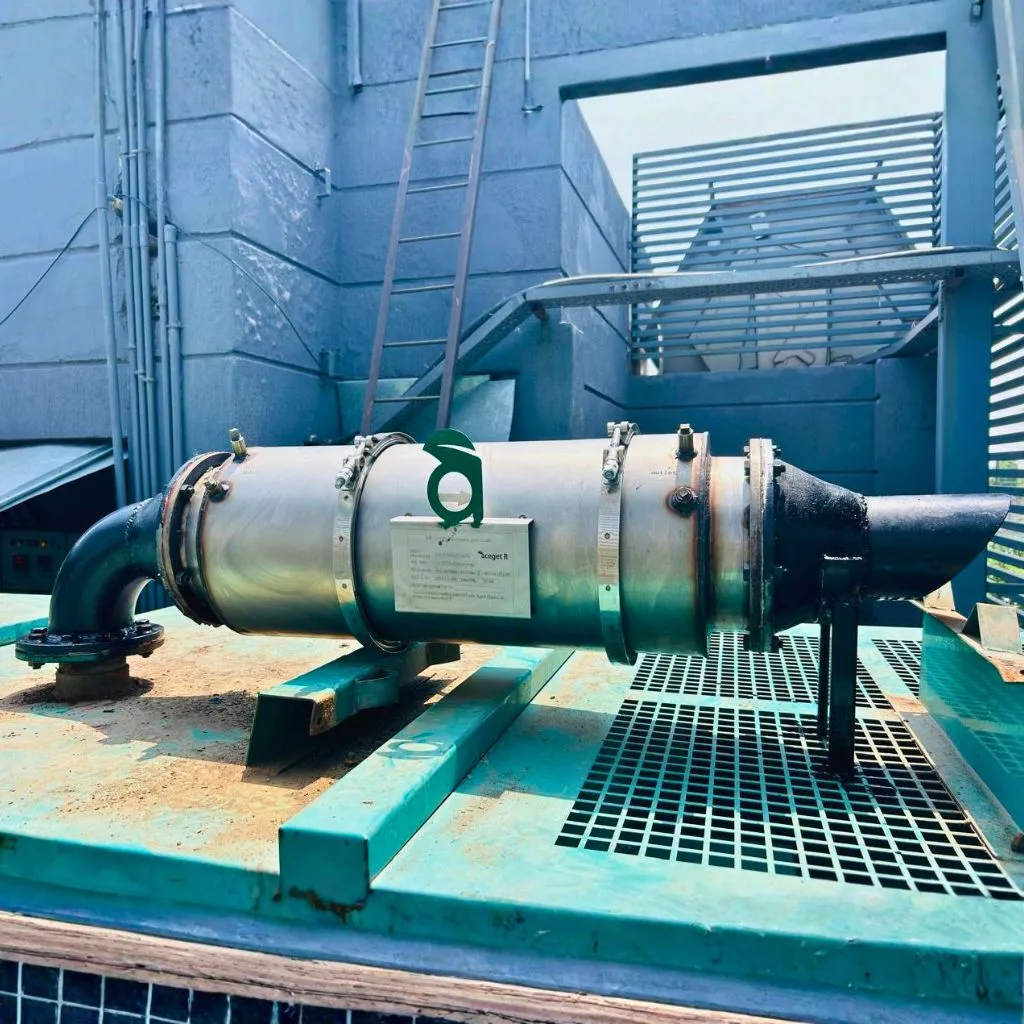

Diesel generators play an important role in maintaining power continuity across industries, commercial buildings, hospitals, and infrastructure facilities. However, their operation produces exhaust emissions that require appropriate management. RECD for DG set technology offers a retrofit-based approach to help reduce selected pollutants from diesel generator exhaust while allowing existing generator systems to continue serving their intended purpose. As businesses increasingly focus on responsible energy management and environmental performance, understanding how Retrofit Emission Control Devices work, where they fit into generator operations, and what to consider before installation has become valuable for facility managers and equipment buyers.
Understanding the Role of RECD in Diesel Generator Operations
A Retrofit Emission Control Device, commonly referred to as RECD, is an emission-control system designed to be integrated with an existing diesel generator. Rather than replacing the complete generator, a retrofit solution is installed within the exhaust arrangement to support the treatment of exhaust gases. The purpose of an RECD is to reduce specific pollutants generated during diesel combustion. Depending on the technology and configuration, emission-control systems may target particulate matter and other exhaust components. Their actual performance depends on the device design, engine characteristics, operating conditions, maintenance practices, and installation quality. This makes RECD technology more than a standalone accessory. It is part of a broader emission-management strategy that must be considered alongside generator performance, exhaust design, fuel quality, and operating schedules.
Why Emission Control Technology Matters for DG Sets
Diesel generators are frequently used as backup power sources, but some facilities also depend on them for extended or regular operation. During combustion, diesel engines produce exhaust containing various pollutants. The quantity and composition of these emissions can differ according to engine technology, generator capacity, loading pattern, fuel, and maintenance condition. For organizations operating generators in populated, industrial, or environmentally sensitive areas, emission management can be an important operational consideration. A suitable RECD system may support efforts to control selected exhaust pollutants and improve the environmental performance of an existing DG set. However, emission reduction should not be viewed as a substitute for proper generator maintenance. Poor combustion, clogged filters, incorrect fuel settings, or excessive engine wear can affect emissions and may also influence the performance of an emission-control device. A complete approach combines suitable equipment with sound generator operation.
How Retrofit Emission Control Devices Work
The working principle of an RECD depends on the technology used by the manufacturer. Many systems are designed to capture, oxidize, or otherwise treat selected components in diesel exhaust before the gases are released through the exhaust outlet. Some technologies use filtration-based mechanisms to reduce particulate matter, while others may use catalytic or combined treatment methods to address specific pollutants. The device must be selected according to the engine’s exhaust characteristics and the intended emission-control requirements. Installation compatibility is equally important. Exhaust temperature, gas flow, back pressure, pipe dimensions, available space, and generator operating patterns can all affect system suitability. A device that is appropriate for one generator may not deliver the same results when transferred to another model without technical evaluation. For this reason, RECD selection should involve equipment specifications, exhaust measurements where required, and consultation with a qualified technical supplier.
Selecting the Right RECD for a Generator
Choosing an RECD begins with understanding the generator itself. Details such as engine make, model, rated capacity, fuel type, exhaust outlet size, operating load, and installation environment help determine which system may be suitable. The generator’s duty cycle is another important factor. A standby DG set that operates occasionally may have different requirements from a generator used for frequent or extended operation. Exhaust temperature and flow conditions can vary significantly between these applications, influencing the performance of the emission-control equipment. Buyers should also consider installation access, maintenance requirements, monitoring provisions, and the availability of technical support. A system that appears suitable on paper may still require modifications or additional checks before it can be integrated safely and effectively. Working with experienced CPCB approved RECD manufacturers or suppliers can help buyers understand available technologies and documentation. However, purchasers should independently verify the manufacturer’s credentials, product documentation, applicable certifications, and current CPCB or other relevant regulatory requirements. The phrase “CPCB approved” should not be accepted solely as a marketing statement; official and current supporting information should be reviewed before making a procurement decision.
Installation and Compatibility Considerations
RECD installation should be approached as a technical integration project rather than a simple exhaust-pipe attachment. The device must be correctly positioned within the exhaust system, and the installation should account for temperature, pressure, vibration, accessibility, and safety clearances. Improper installation can affect exhaust flow, increase back pressure, or create maintenance difficulties. In some cases, inadequate integration may influence engine performance or reduce the effectiveness of the emission-control system. A technical assessment before installation helps identify these concerns and supports better long-term operation. The surrounding environment also matters. Industrial facilities, commercial buildings, and utility areas may have different space limitations, ventilation arrangements, and service requirements. An appropriate installation plan should account for these conditions while following applicable technical and safety practices.
Maintenance Supports Long-Term Performance
Like other equipment connected to a generator’s exhaust system, an RECD requires appropriate inspection and maintenance. The maintenance schedule depends on the device type, operating hours, exhaust conditions, and manufacturer recommendations.
Accumulated particulate matter, ash, deposits, or other contaminants may affect system performance over time. Regular inspection can help identify blockages, physical damage, abnormal pressure conditions, or other issues before they become more serious. Generator maintenance should continue alongside RECD servicing. Proper lubrication, fuel-system care, air-filter maintenance, and engine tuning can contribute to more consistent combustion and help the emission-control equipment operate under suitable conditions. Facility operators should maintain service records and follow the equipment supplier’s recommendations. Where regulatory monitoring or testing is applicable, relevant records and test reports should also be retained according to current requirements.
RECD as Part of Responsible Generator Management
Emission-control technology is most effective when incorporated into a broader operational plan. Businesses can improve their generator-management practices by monitoring operating hours, avoiding unnecessary idling, maintaining suitable engine loads, and addressing mechanical issues promptly. An RECD does not eliminate the need for efficient power planning or responsible fuel management. Instead, it can serve as one component of a strategy focused on reducing the environmental impact of diesel generator use. Before purchasing a system, facility managers should clarify the pollutants the device is designed to address, the expected operating conditions, installation requirements, maintenance process, and available technical documentation. They should also confirm whether additional testing, approvals, or local permissions are required for their particular application.
Conclusion
RECD technology provides a practical retrofit approach for organizations seeking to manage selected emissions from existing diesel generators. By integrating an appropriate emission-control device with a compatible exhaust system, businesses can work toward more responsible DG set operations without necessarily replacing their complete power-generation equipment. The success of an RECD installation depends on correct product selection, technical compatibility, professional installation, and consistent maintenance. Regulatory requirements may also change, so buyers should verify current CPCB guidelines and applicable local requirements through official sources before finalizing a system. For businesses exploring emission-control solutions, Aceget offers technical guidance to help evaluate RECD options based on generator specifications, application needs, and installation considerations to learn more about available solutions and connect with the team for product-related enquiries.
Frequently Asked Questions (FAQ)
1. What is an RECD for a DG set?
An RECD, or Retrofit Emission Control Device, is an emission-control system designed to be integrated with an existing diesel generator to help reduce selected exhaust pollutants.
2. Can an RECD be installed on an existing diesel generator?
Yes, retrofit devices are designed for existing generator systems. However, compatibility must be assessed based on the engine, exhaust configuration, operating conditions, and device specifications.
3. What pollutants can an RECD help control?
Depending on the technology, an RECD may target particulate matter and other selected exhaust pollutants. The actual performance depends on the device design and operating conditions.
4. Is every RECD automatically CPCB approved?
No. Buyers should verify the manufacturer’s claims, supporting documentation, and current official CPCB or applicable regulatory requirements rather than relying only on promotional wording.
5. What maintenance does an RECD require?
Maintenance varies by technology and operating conditions. Regular inspection, cleaning or servicing where required, and adherence to the manufacturer’s maintenance recommendations help support reliable performance.



























Sign in to leave a comment.