

Choosing the right RECD controller for diesel generator applications requires more than comparing product photographs or selecting the lowest quotation. A suitable retrofit emission-control system must be evaluated according to the generator’s engine specifications, exhaust characteristics, operating conditions, installation environment, and maintenance requirements. For organizations using diesel generators across industrial, commercial, institutional, and infrastructure applications, a careful selection process can help identify equipment that is technically appropriate for their existing power-generation setup.
A diesel generator is a complex mechanical and electrical system, and its exhaust conditions vary according to engine design, load, fuel, maintenance, and operating duration. Therefore, emission-control equipment should be selected through a technical assessment rather than treated as a universal attachment. Understanding the main evaluation factors can help generator owners make more informed purchasing and installation decisions.
Begin With the Generator’s Technical Profile
The first step in evaluating a retrofit system is to understand the generator that will receive it. Important information includes the engine manufacturer, engine model, rated power, fuel type, exhaust pipe dimensions, exhaust flow, operating temperature, and typical load pattern. The generator’s age and maintenance condition may also influence the assessment. An older DG set with a well-maintained engine may have different requirements from a generator that has experienced inconsistent servicing or significant operational wear. Since engine condition can affect exhaust characteristics, it should be considered before selecting emission-control equipment. Generator owners should gather available technical documents, equipment specifications, exhaust drawings, and installation photographs. Sharing accurate information with the supplier allows the proposed system to be evaluated against the actual generator rather than against assumptions.
Understand the Purpose of the Retrofit System
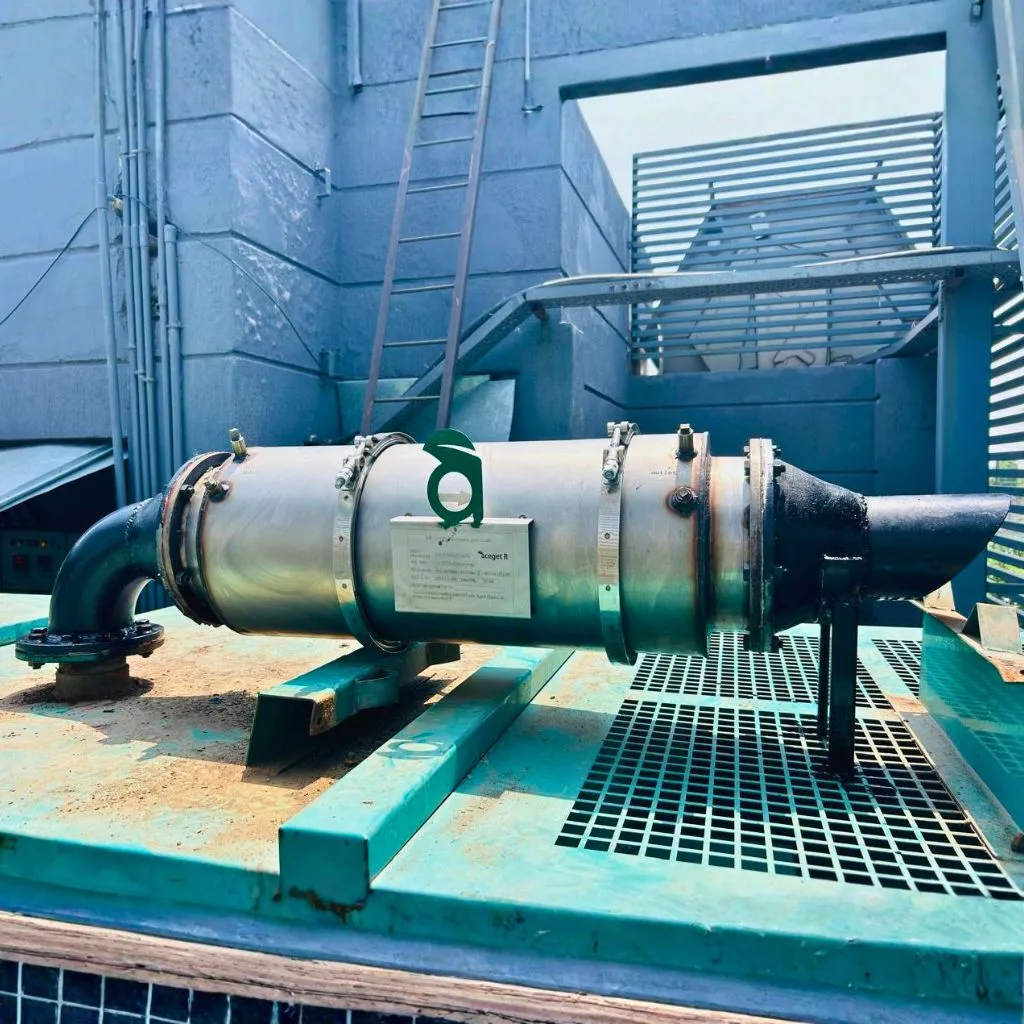
A Retrofit Emission Control Device is designed to be integrated with an existing diesel generator. Its purpose is to manage selected exhaust pollutants through a suitable emission-control technology. The exact function and operating characteristics depend on the design of the equipment and the application for which it is intended. The objective of a retrofit project should be clearly defined at the beginning. Some organizations may be evaluating equipment for an existing generator that must remain in service, while others may be responding to site-specific emission-management requirements or planning improvements to their generator infrastructure. Defining the purpose helps buyers identify the technical information they need from suppliers. It also prevents the selection process from becoming focused only on general product claims without considering the generator’s actual operating environment.
Examine Exhaust Flow and Backpressure
Exhaust compatibility is one of the most important technical considerations when selecting an RECD system. Since the equipment is integrated into the exhaust arrangement, the proposed design must be evaluated in relation to exhaust flow, temperature, pipe dimensions, connection points, and available installation space. Exhaust backpressure deserves particular attention. The proposed retrofit arrangement should be reviewed against the engine manufacturer’s applicable limits and technical recommendations. An unsuitable exhaust configuration can affect generator operation, which is why technical evaluation should be completed before installation. The exhaust line should also be inspected for bends, supports, stack arrangement, and existing components. These details can influence the positioning and connection of the retrofit equipment. A system that is suitable for one generator configuration may require a different arrangement for another.
Consider the Generator’s Operating Pattern
A generator’s operating pattern can influence the selection and long-term management of emission-control equipment. Standby generators may operate only during power interruptions and periodic testing, while industrial DG sets may run for extended periods or under varying loads. Load variation, operating hours, ambient conditions, fuel quality, and generator maintenance can all influence exhaust conditions. Buyers should communicate these details to the supplier so that the proposed system can be evaluated for the actual application.
For example, a generator operating for long periods in a manufacturing facility may require a different maintenance approach from a backup generator used occasionally in a commercial building. Understanding the operating pattern helps ensure that equipment selection is based on real-world use rather than rated capacity alone.
Evaluate Installation Requirements
A retrofit system should be assessed not only for technical performance but also for installation practicality. Existing DG sets may be installed in compact generator rooms, basements, rooftops, outdoor enclosures, or industrial utility areas. Each location presents different challenges. Available clearance, exhaust routing, structural support, equipment weight, connection access, and ventilation conditions should be reviewed before installation. The system should be positioned in a way that supports safe operation and allows technicians to access it for inspection or servicing. The installation plan should also consider whether modifications to the existing exhaust arrangement are required. Understanding the complete scope before purchase can help businesses plan costs, downtime, and site preparation more effectively.
Review Maintenance and Service Requirements
Long-term maintenance is an important part of evaluating an RECD system. Depending on the technology and operating conditions, the equipment may require inspection, cleaning, servicing, monitoring, or replacement of specific components. Before selecting a system, buyers should ask the supplier about maintenance procedures, recommended service intervals, technical support, and the availability of replacement parts. A system that is difficult to maintain may create challenges for facility teams over time. The generator itself should also continue to receive regular maintenance according to the engine manufacturer’s recommendations. An emission-control device is not a substitute for proper engine servicing, fuel-system care, lubrication, or exhaust-system inspection.
Assess Technical Documentation and Supplier Support
A reliable evaluation process depends on clear technical information. Buyers should request relevant equipment specifications, installation instructions, operating requirements, maintenance guidance, and applicable technical documentation. Supplier support can be especially important when the installation involves an older generator or a customized exhaust arrangement. A supplier with experience in DG applications should be able to discuss compatibility, installation planning, and long-term service considerations. Businesses should also examine what is included in the quotation. Equipment supply, installation, commissioning support, exhaust modifications, structural work, maintenance assistance, and warranty conditions may be treated separately. Comparing the complete scope provides a more accurate understanding of the proposed investment.
Evaluating a CPCB Approved RECD
The term CPCB approved RECD should be evaluated carefully rather than accepted solely as a marketing phrase. Applicable requirements may depend on the generator category, technical specifications, current regulatory provisions, and the particular installation. Buyers should request relevant documentation and verify whether the equipment and proposed application meet the requirements that actually apply to their generator. General claims about approval or compliance should not replace direct verification through current official sources. Generator owners should consult the latest Central Pollution Control Board publications and relevant authorities before finalizing an emission-control system. Since requirements and procedures may be updated, current official information should always take priority over outdated brochures or informal assurances.
Compare Total Project Cost
The initial equipment price is important, but it should be considered alongside the complete cost of implementation. Installation work, exhaust modifications, structural supports, technical services, maintenance, replacement parts, and possible downtime can all affect the overall investment. A lower quotation may exclude important services, while a higher quotation may include installation support or technical documentation. Buyers should therefore compare quotations based on specifications and scope rather than price alone. The right retrofit system is not necessarily the least expensive option. It is the system that provides an appropriate balance of technical suitability, installation practicality, service support, and long-term operating requirements.
Selecting a Retrofit Partner
The supplier’s role can influence the success of the retrofit project. A suitable supplier should be able to understand the generator’s specifications and provide guidance based on the actual application. Aceget offers RECD solutions for diesel generator applications and supports businesses in evaluating emission-control equipment according to their generator requirements. Customers can share details about their DG set, exhaust configuration, operating conditions, and installation site to discuss suitable options.
Conclusion
Evaluating the right RECD for a DG Set requires a detailed review of the generator, exhaust system, operating pattern, installation environment, maintenance needs, technical documentation, and supplier support. A retrofit system should never be selected only on the basis of price, appearance, or general product descriptions. Generator owners can improve the selection process by collecting accurate equipment information, reviewing exhaust compatibility, understanding installation requirements, and comparing the complete commercial and technical scope. It is equally important to verify current CPCB requirements directly through official sources before purchase or installation. With proper planning and application-specific assessment, RECD technology can be considered as part of a broader strategy for managing selected emissions from existing diesel generator systems. Aceget can assist customers in discussing their DG set requirements and exploring suitable emission-control solutions.
Frequently Asked Questions
1. What should I check before selecting an RECD for my DG set?
Review the engine model, generator specifications, exhaust configuration, exhaust flow, operating conditions, installation space, maintenance needs, and applicable requirements.
2. Is an RECD suitable for every diesel generator?
No. Suitability depends on the engine, exhaust characteristics, operating conditions, physical arrangement, and design of the emission-control equipment. Technical evaluation is necessary.
3. Why is exhaust backpressure important during RECD selection?
Excessive exhaust backpressure may affect engine operation. The proposed retrofit system should be evaluated against the applicable engine manufacturer’s technical limits.
4. Can I purchase an RECD based only on its online description?
Online listings can help with initial research, but buyers should confirm technical compatibility, installation requirements, documentation, and service support with the supplier before purchasing.
5. How can I verify CPCB requirements for an RECD?
Consult the latest official CPCB publications and relevant regulatory authorities to confirm the requirements applicable to the specific generator and installation.

























Sign in to leave a comment.