

One of the most common questions facility managers ask once they've decided to move forward with a retrofit purchase isn't about the device itself at all — it's about time. Understanding a realistic RECD installation timeline and what to expect matters as much as choosing the right hardware, because a generator that's offline longer than planned, or a project that drags on past an internal deadline, can create real operational headaches regardless of how good the device eventually turns out to be. This guide walks through what a genuine installation timeline actually looks like heading into 2026, stage by stage, so expectations can be set realistically from the outset.

The timeline effectively begins well before any physical work happens, at the point where a manufacturer assesses your generator's specifics. This initial stage — confirming kVA rating, fuel type, installation environment, and typical usage pattern — usually takes anywhere from a few days to a couple of weeks, depending on how quickly information is exchanged and whether a site visit is required to properly evaluate the exhaust configuration and access constraints. Facilities that come prepared with their generator's details ready to hand tend to move through this stage noticeably faster than those figuring out the specifics as questions arise, so gathering this information in advance is one of the simplest ways to shorten the overall process.
Once the assessment is complete and a specific device and controller combination has been recommended, the next stage involves finalising the order and, where applicable, manufacturing or allocating the unit itself. For standard capacity bands with readily available stock, this stage can move quickly, sometimes within a week or two. For less common capacities, or for orders placed during periods of high regional demand — which tends to happen as compliance deadlines approach and a large number of facilities rush to comply simultaneously — this stage can stretch considerably longer. This is precisely why planning an installation well ahead of any deadline, rather than waiting until the pressure is on, tends to produce a noticeably smoother experience than scrambling at the last minute.
Scheduling the actual installation visit introduces its own variable, since it depends on both the manufacturer's technician availability and the facility's own operational constraints around taking the generator offline. A facility that can flexibly accommodate a technician's earliest available slot generally sees a shorter overall timeline than one working around a narrow, fixed window — for instance, a hospital or data centre that can only permit generator downtime during a specific low-risk period will need to coordinate installation timing more carefully, which can add days or occasionally weeks to the schedule depending on how that window aligns with the manufacturer's availability.
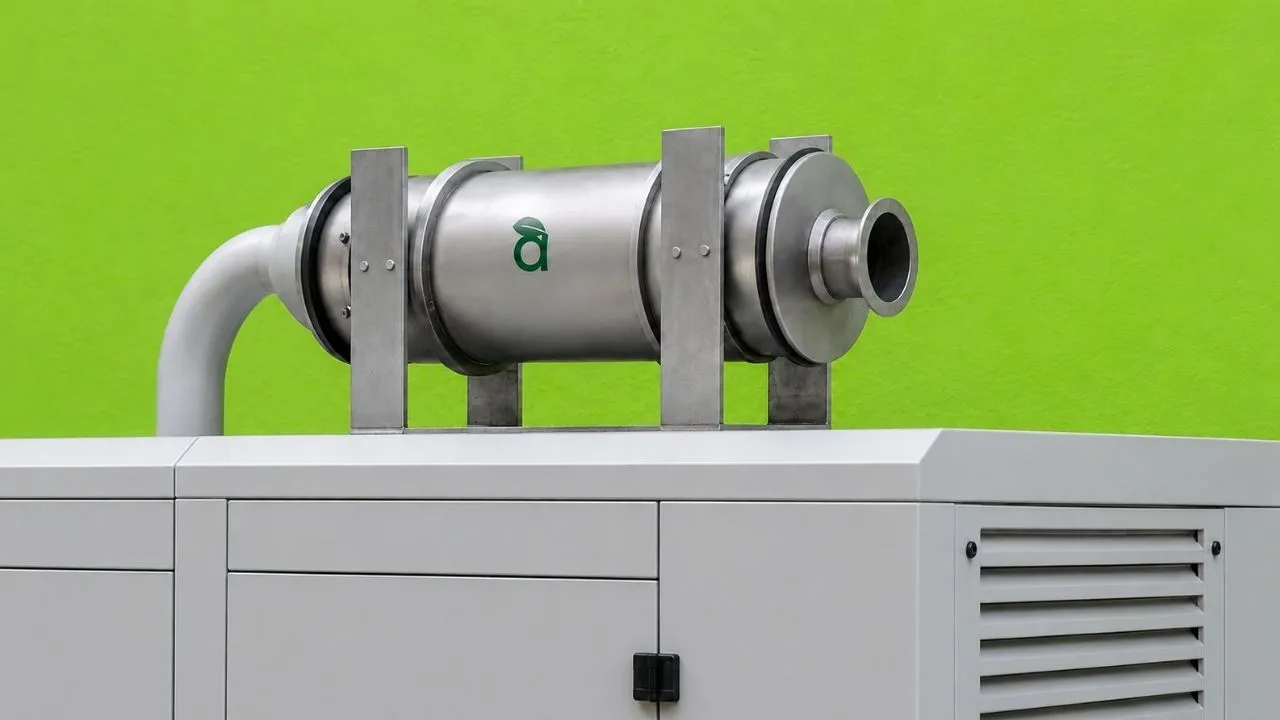
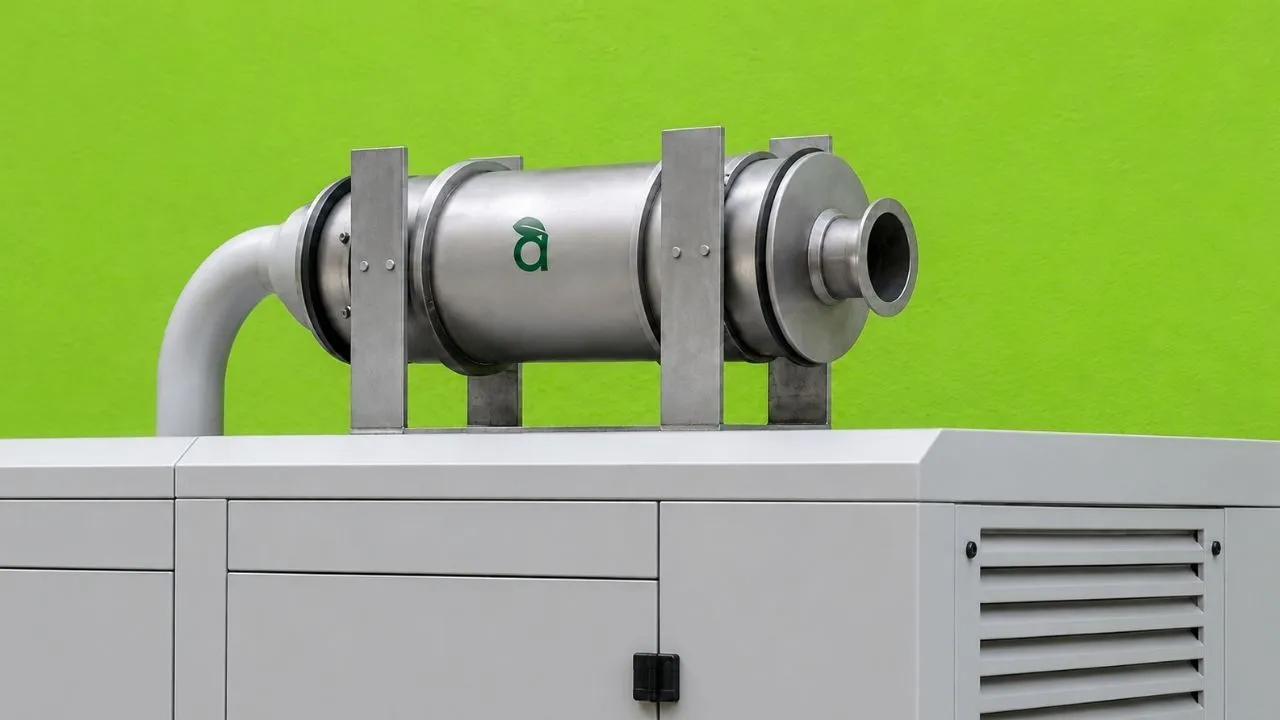
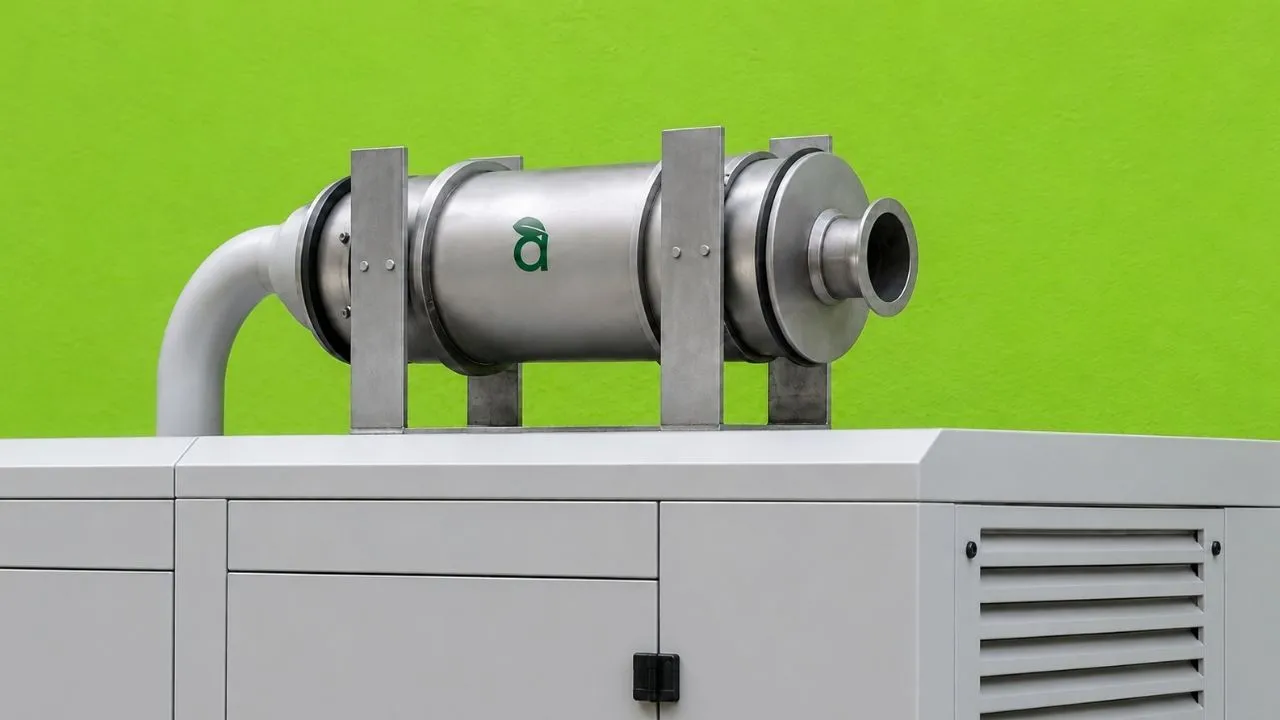
The physical installation itself, once underway, is typically the shortest stage of the entire process for most single-generator projects, often completed within a single working day for straightforward sites, though this can extend to two or more days for generators in complex locations or requiring more involved exhaust reconfiguration. This stage includes the actual fitting of the device, calibration of any accompanying controller, and a functional check confirming the system performs as intended before the technician leaves. Facilities with multiple generators or more complex sites should expect this stage to scale proportionally, and a manufacturer experienced with larger projects should be able to give a realistic estimate for a phased, multi-unit installation rather than assuming it collapses into a single visit.
Following installation, there's typically a short documentation stage — finalising the paperwork confirming the specific device and controller models fitted, the commissioning date, and the functional check results. This should ideally happen promptly, within a few days of installation, rather than trailing weeks behind, since delayed documentation can complicate matters if a facility needs to demonstrate compliance status on short notice for an audit or review.
Cost is worth mentioning briefly within a discussion of timelines, because the two are more connected than buyers sometimes expect — a search for RECD price for DG set during a period of high regional demand can return quotes reflecting rushed lead times and premium pricing, whereas planning further ahead often allows access to more standard pricing and a wider choice of installation slots. Facilities that treat timeline planning and budget planning as a single combined exercise, rather than two separate conversations, tend to end up with a more favourable outcome on both fronts.
Compliance considerations run through this entire timeline rather than sitting apart from it, and it's worth building in time specifically for verification rather than treating it as an afterthought once installation is scheduled. CPCB's guidance on retrofit emission control requirements varies by generator capacity, use case, and location, and continues to be revised over time, so it's worth allowing a few days within the overall timeline specifically to confirm the applicable standard for your generator's category and independently check that reference against current official CPCB publications before installation proceeds, rather than discovering a compliance question partway through an already-scheduled project.
Conclusion
A realistic installation timeline isn't something to discover partway through the process — it's something worth mapping out at the very start, alongside the device selection and pricing conversation, rather than treated as a detail to sort out once everything else is decided. Facilities that gather their generator's details early, plan well ahead of compliance deadlines, and build compliance verification into the schedule itself tend to move through this process with far fewer surprises than those approaching it reactively. Heading into 2026, that kind of upfront planning is likely to matter more than ever, simply because demand for installation slots tends to rise as deadlines get closer.
Frequently Asked Questions
How long does the entire process typically take from first enquiry to a commissioned system? This varies considerably by generator capacity and manufacturer availability, but a straightforward single-generator project often spans several weeks from initial assessment through to final documentation.
Why does installation take longer during peak compliance deadline periods? Demand for manufacturing capacity and technician availability rises sharply as deadlines approach, which can extend lead times and reduce available installation slots compared to planning further ahead.
How long does the actual physical installation visit usually take? For straightforward sites, installation is often completed within a single working day, though complex exhaust configurations or generator locations can extend this to two or more days.
Does planning early actually affect the price I'm quoted? It can. Requesting quotes and scheduling installation well ahead of deadlines often allows access to more standard pricing, compared to rushed timelines during high-demand periods.
Should I build compliance verification into my installation timeline? Yes. It's worth allowing time specifically to confirm the applicable CPCB standard for your generator's category and verify it independently before installation proceeds.






















Sign in to leave a comment.