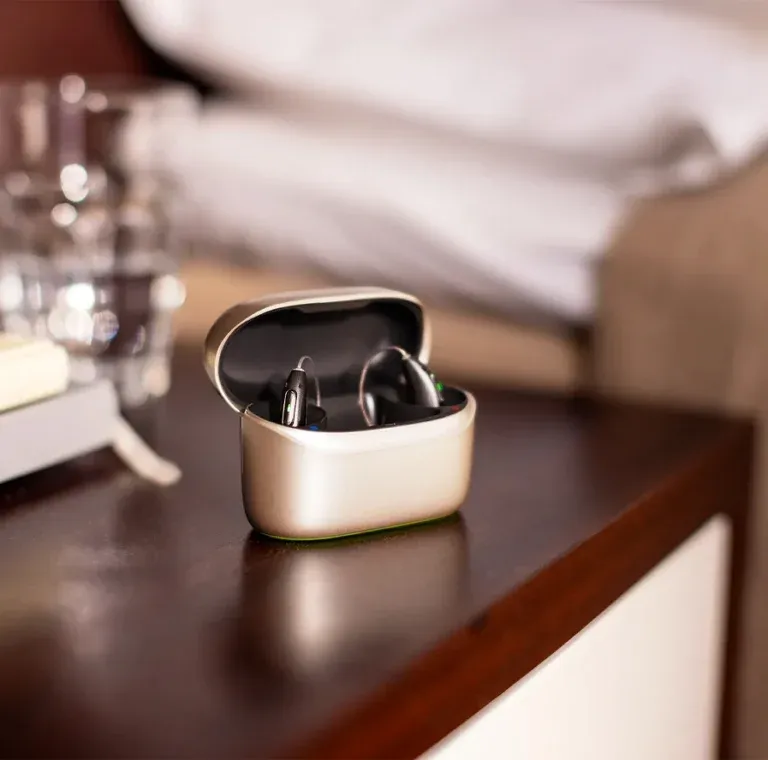


Choosing the right hearing aid can make everyday conversations, social activities, and communication much easier. However, with different technologies available, many people wonder whether rechargeable hearing aids or traditional battery-powered models are the better choice. Understanding their features, benefits, and limitations can help you select an option that suits your lifestyle and hearing needs.
Understanding Rechargeable Hearing Aids
Rechargeable hearing aids use built-in batteries that can be charged with a dedicated charging station or portable case. Most users simply place their devices in the charger overnight so they are ready for the following day.
One of the biggest advantages of rechargeable models is convenience. There is no need to purchase or regularly replace small disposable batteries. This can be particularly helpful for older adults and people who find handling tiny components difficult.
Rechargeable devices can also reduce disposable battery waste over time. Depending on the model, a fully charged hearing aid may provide enough power for a full day of use. However, battery performance can vary depending on the device, Bluetooth streaming, and other features.
Read Blog: Rechargeable Hearing Aids vs Battery Hearing Aids: Which Is Better?
What Are Battery-Powered Hearing Aids?
Traditional hearing aids use replaceable disposable batteries, which are changed when their power runs low. These devices remain a practical choice for people who prefer having control over their power supply.
A major benefit is flexibility. Users can carry spare batteries and replace them quickly without waiting for a device to recharge. This can be especially useful when travelling, camping, or spending extended periods away from electricity.
Battery-powered models may also have a lower initial purchase price, although ongoing battery purchases should be considered. Some users may find changing small batteries inconvenient, particularly if they have limited dexterity or vision.
Rechargeable vs Battery Hearing Aids: Key Differences
The main differences involve convenience, maintenance, cost, and travel requirements.
Rechargeable hearing aids are generally suitable for people who prefer a simple daily routine and want to avoid frequent battery replacements. They require regular charging, so remembering to charge the devices is important.
Battery-powered hearing aids offer greater flexibility when electricity is unavailable. However, users need to monitor battery levels and keep replacement batteries available.
Neither option is automatically better for everyone. Your budget, daily activities, hearing requirements, and personal preferences should all influence your decision.
How to Choose the Right Hearing Aid
Before purchasing hearing aids, consider how frequently you wear them, whether you travel regularly, and how comfortable you feel handling small batteries. You should also compare device comfort, sound quality, connectivity features, and ongoing maintenance requirements.
Professional advice can help you understand which models are appropriate for your hearing needs. A hearing assessment can identify the type and degree of hearing loss, while proper fitting and follow-up support can help improve your overall experience.
Get Expert Hearing Care from Direct Ear Care
At Direct Ear Care, individuals can explore hearing care options with guidance tailored to their needs and lifestyle. Whether you are considering rechargeable devices or traditional battery-powered models, professional support can help you make a more informed decision.
If you are experiencing difficulty hearing conversations or frequently increasing the television volume, consider arranging a hearing assessment.
























Sign in to leave a comment.