

Introduction: The Question Every Family Eventually Asks
"Is this a phase, or is it something more?" Families across Punjab ask this quietly, often at night, about a son, daughter, husband, or friend. Addiction rarely arrives with a dramatic announcement. It grows slowly, and by the time it is obvious, the person and their family are usually exhausted.

This article looks at recovery readiness: how to recognize when professional support may be appropriate. It draws on real incidents from recent news and explains what a well-run nasha mukti kendra in Mohali can offer.
Why Recovery Readiness Matters Right Now
Punjab's drug problem is now a public health conversation. In January 2026, Punjab's Health Minister said that nearly 20,000 former addicts are now free from drug abuse under the state's "Yudh Nashian Virudh" campaign, which combines enforcement, de-addiction and prevention.
That is encouraging, but the scale of the problem is still large. A ThePrint investigation reported that Punjab has nearly 12 lakh registered drug users, predominantly addicted to heroin, known locally as "chitta." Behind each number is a family deciding whether, and when, to ask for help.
Recovery readiness is not about perfection. It is the point where a person, or the people who love them, accept that willpower alone is no longer enough.
Signs Professional Support May Be Appropriate
No single sign tells the whole story. Several signs appearing together, however, suggest that it may be time to consult a professional at a de-addiction centre in Mohali.
Physical and Health Signals
- Needing more of a substance to feel the same effect
- Shaking, sweating, nausea, or severe restlessness when the substance is missing
- Sudden weight change, sleeplessness, or neglected health
- Failed attempts to cut down or quit without support
Behavioural and Emotional Signals
- Lying about use, or hiding it
- Losing interest in work, studies, sport, or family life
- Borrowing money, selling belongings, or unexplained financial trouble
- Mood swings, anger, anxiety, or withdrawal from friends
Signals Families Often Overlook
- Home has become tense, secretive, or unsafe
- A parent or spouse is doing "damage control" every week
- Legal trouble has begun
- The person says they want to stop but cannot
If several of these sound familiar, it is reasonable to seek a professional assessment. Asking for help early is a practical decision, not a sign of failure.
What Recent Mohali Headlines Teach Us
Story 1: The Escape Attempt and What It Reveals About Withdrawal
In February 2026, news reports described how around 40 patients allegedly tried to escape from the government de-addiction centre in Sector 66, Mohali, on a Sunday. Officials said no patient actually got out. They also explained that when the dosage of certain medicines is reduced during treatment, patients can become irritable, and that handling such situations takes experienced, patient staff.
The lesson is that the early phase of treatment is hard. Cravings, discomfort, and mood changes are a medical reality, not a lack of character. This is why detox should be supervised by trained doctors and counsellors, not attempted alone at home.
Story 2: Illegal Centres and Desperate Families
Not every facility is safe. ThePrint reported that authorities in Punjab rescued at least 32 people in one year from two illegal de-addiction centres accused of exploiting desperate families. The same report noted that the Punjab and Haryana High Court had earlier asked the state to frame stricter operating procedures for such centres.
The lesson for families is to verify before you admit. Desperation should never replace due diligence.
Story 3: Recovery Beyond the Bed
A government-run facility in Sector 66 was upgraded to 100 beds, with skill courses such as computer training, mobile repair, cooking, electrician work and organic gardening. The idea is that lasting recovery needs purpose, income, and routine as well as detox.
What a Good Nasha Mukti Kendra in Mohali Should Offer
When you compare options for drug rehabilitation in Mohali, look for these markers of a responsible centre:
- Medical supervision. Qualified doctors and nurses manage withdrawal safely.
- Licensing and transparency. The centre should be able to show its registration, staff credentials, and treatment approach.
- Individual assessment. Treatment should match the substance, history, and mental health of each person, with no one-size-fits-all promises.
- Counselling and therapy. Individual, group, and family sessions address the causes as well as the symptoms.
- Dignity and safety. No chaining, punishment, or isolation as "discipline."
- Aftercare. Relapse-prevention planning, follow-up, and community support continue after discharge.
- Life skills. Vocational and emotional support help people rebuild a future.
Be cautious of any centre that promises instant or guaranteed cures. Recovery is a process, and honest providers say so.
How Families Can Support Recovery Readiness
- Stay calm and specific. Say "I noticed you've missed work three times this month and I'm worried," not "You're ruining this family."
- Avoid ultimatums made in anger. They tend to end conversations instead of opening them.
- Learn the basics. Understanding addiction as a health condition reduces blame and shame.
- Look after yourself. Family members need support too, through counselling or peer groups.
- Involve a professional early. An assessment can help the family decide on outpatient care, inpatient treatment, or another path.
Taking the First Step
Waiting for "rock bottom" is one of the most dangerous myths in addiction. Many people recover after a gentle, well-timed conversation and a compassionate first appointment.
If you or someone you love shows the signs above, consider speaking with a qualified team at a licensed nasha mukti kendra in Mohali. A first consultation costs you nothing to consider, and it can bring clarity and a plan.
In India, you can also call Tele-MANAS at 14416, a free national mental health helpline, for confidential guidance. In an emergency, such as an overdose or severe withdrawal, go to the nearest hospital immediately.
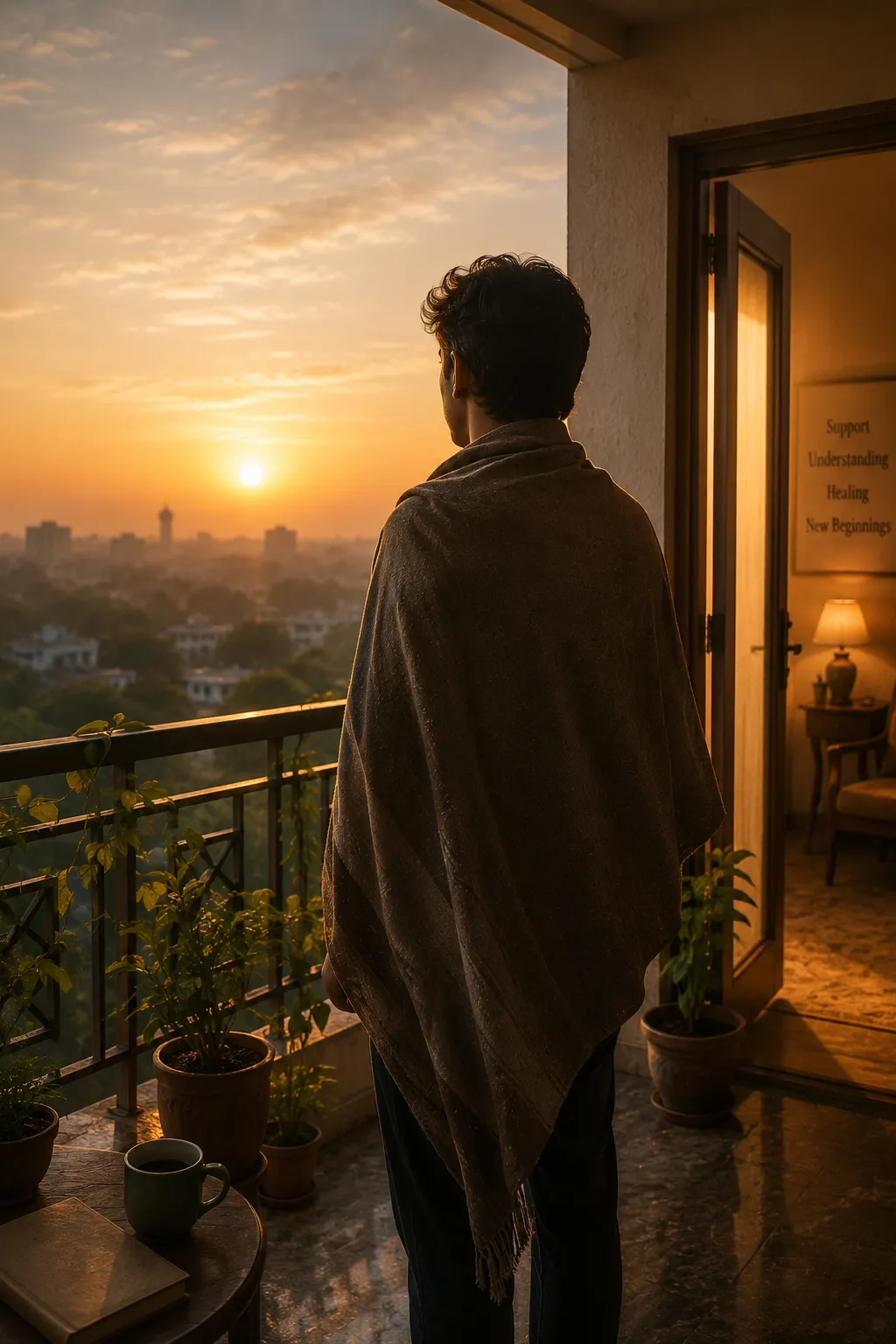
Recovery is possible, and it usually starts when someone says, "I need support."
























Sign in to leave a comment.