

When it comes to vermicomposting and sustainable gardening, choosing the right worm species can make a significant difference in your success. Two of the most popular composting worms are Red Wigglers and European Nightcrawlers. While both are excellent choices for composting and soil improvement, they have unique characteristics that make them better suited for different purposes.
If you're starting a worm farm, improving your garden, or looking for live bait, understanding the differences between these worms will help you make the right decision.
Understanding Red Wigglers
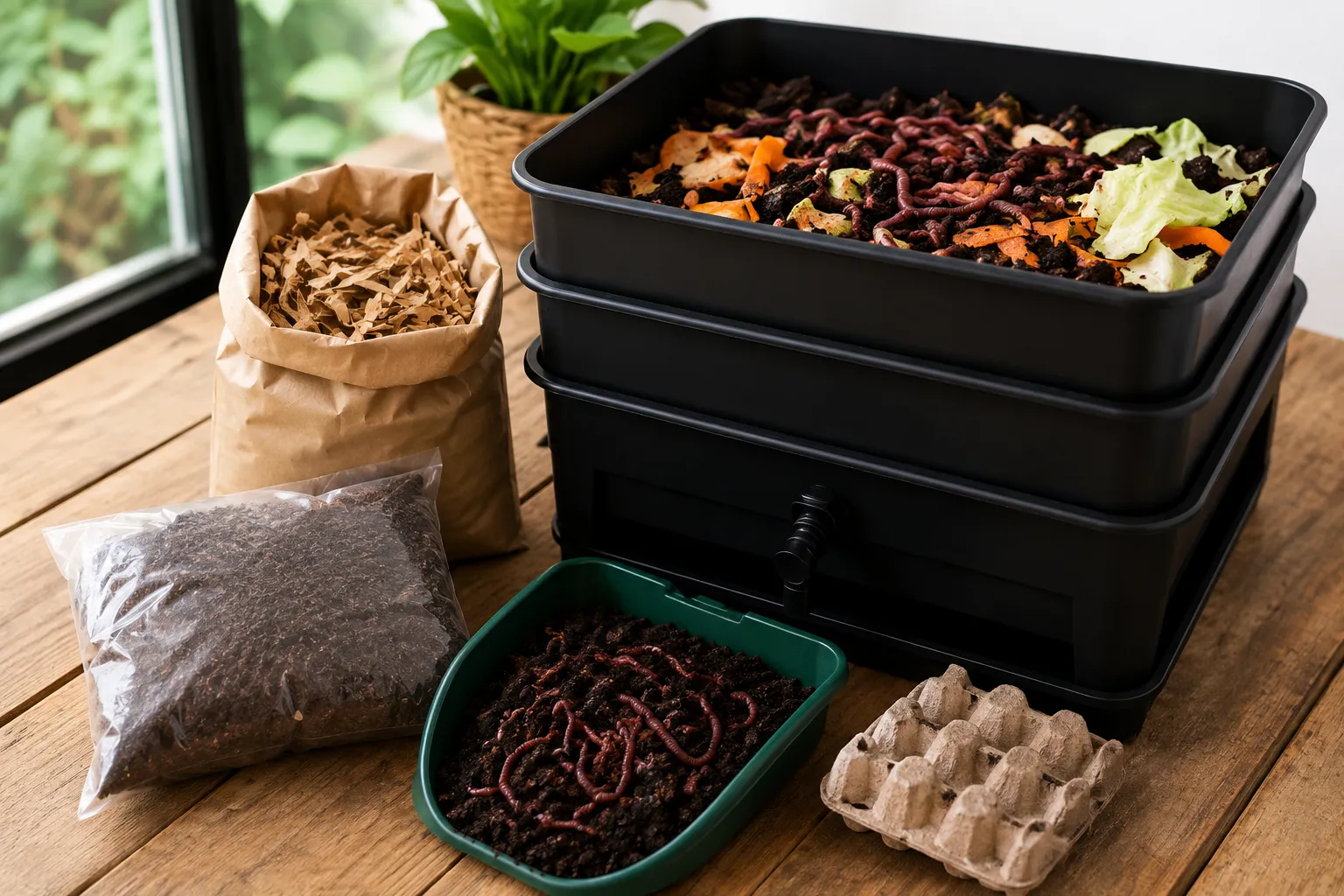
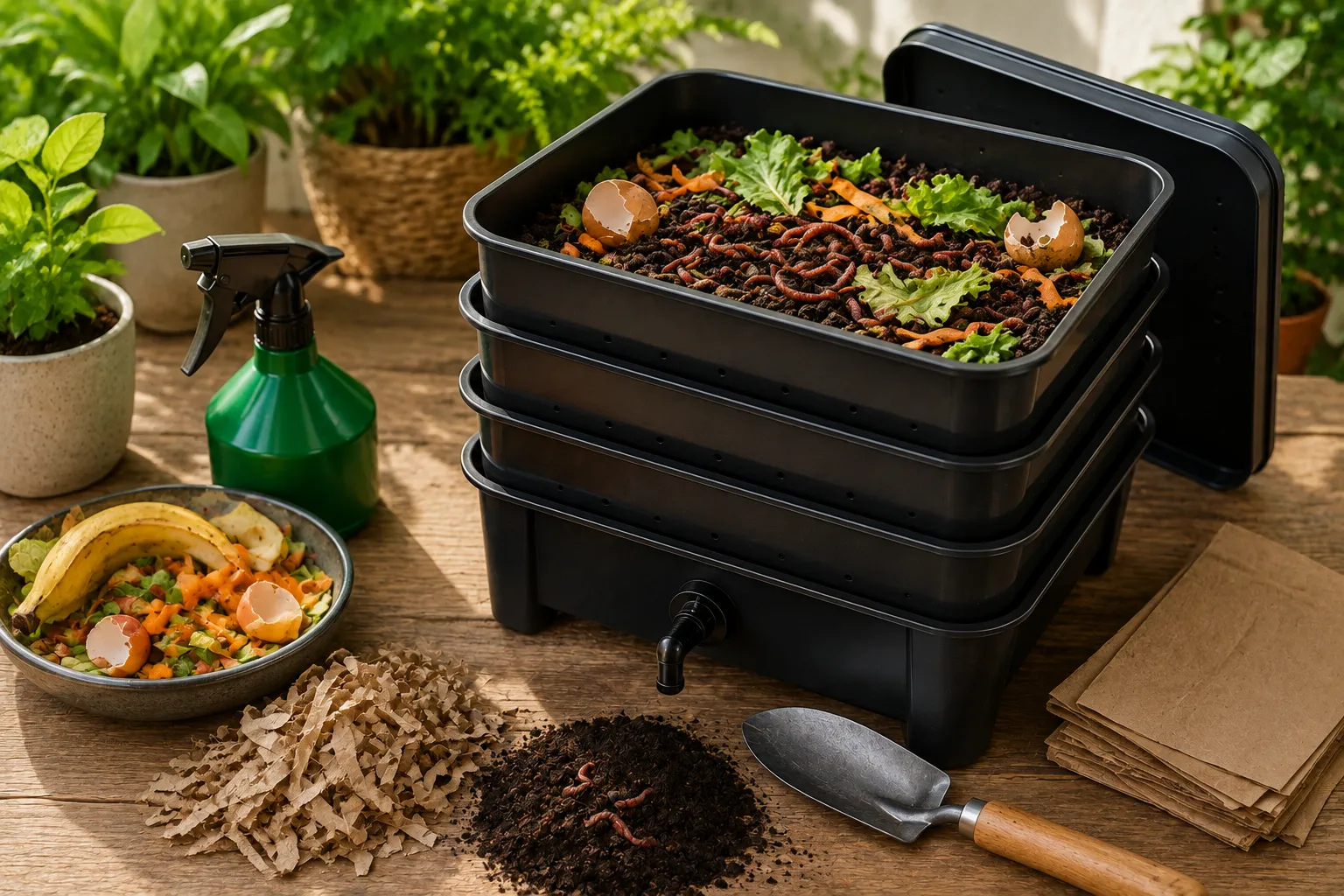
Red Wigglers (Eisenia fetida) are widely considered the best composting worms available. These small, active worms thrive in environments rich in decaying organic matter, making them perfect for worm bins and composting systems.
Unlike traditional earthworms, Red Wigglers prefer living near the surface where food waste is abundant. They consume large amounts of organic material and quickly convert it into nutrient-rich worm castings.
Benefits of Red Wigglers
- Excellent compost producers
- Fast reproduction rates
- Thrive in worm bins and small spaces
- Process kitchen scraps efficiently
- Produce high-quality worm castings
- Ideal for indoor and outdoor composting
Because of their efficiency, many gardeners choose to buy red wiggler worms when setting up their first vermicomposting system.
Understanding European Nightcrawlers
European Nightcrawlers (Eisenia hortensis) are larger worms that offer greater versatility than Red Wigglers. They are commonly used for composting, fishing bait, and soil improvement.
These worms can tolerate a wider range of temperatures and are capable of burrowing deeper into bedding materials. Their larger size makes them particularly attractive to anglers looking for premium live bait.
Benefits of European Nightcrawlers
- Larger than Red Wigglers
- Excellent fishing bait
- Adapt well to various climates
- Produce quality worm castings
- Suitable for composting and gardening
- Easy to handle due to their size
Many worm farmers choose european nightcrawlers when they want a dual-purpose worm that can be used for both composting and bait production.
Composting Performance Comparison
Red Wigglers
When it comes to pure composting efficiency, Red Wigglers are often the clear winner. They consume organic waste rapidly and reproduce at an impressive rate, allowing worm populations to grow quickly.
Their feeding habits make them highly effective at breaking down:
- Fruit and vegetable scraps
- Coffee grounds
- Tea bags
- Shredded paper
- Cardboard
- Garden waste
For households focused primarily on compost production, Red Wigglers typically provide the fastest results.
European Nightcrawlers
European Nightcrawlers are also effective composters, but they process waste more slowly than Red Wigglers. Their larger bodies require more space, and they tend to burrow deeper into the bedding.
While they still create excellent castings, they are often chosen for their versatility rather than maximum composting speed.
Reproduction and Population Growth
One major difference between these species is their reproduction rate.
Red Wigglers
Red Wigglers breed rapidly under ideal conditions. Their population can double within a few months, making them ideal for growing worm farms and increasing composting capacity over time.
European Nightcrawlers
European Nightcrawlers reproduce more slowly. Although they still establish healthy populations, growth is generally less aggressive compared to Red Wigglers.
If your goal is to build a large composting operation quickly, Red Wigglers have the advantage.
Size and Appearance
The physical differences between these worms are easy to spot.
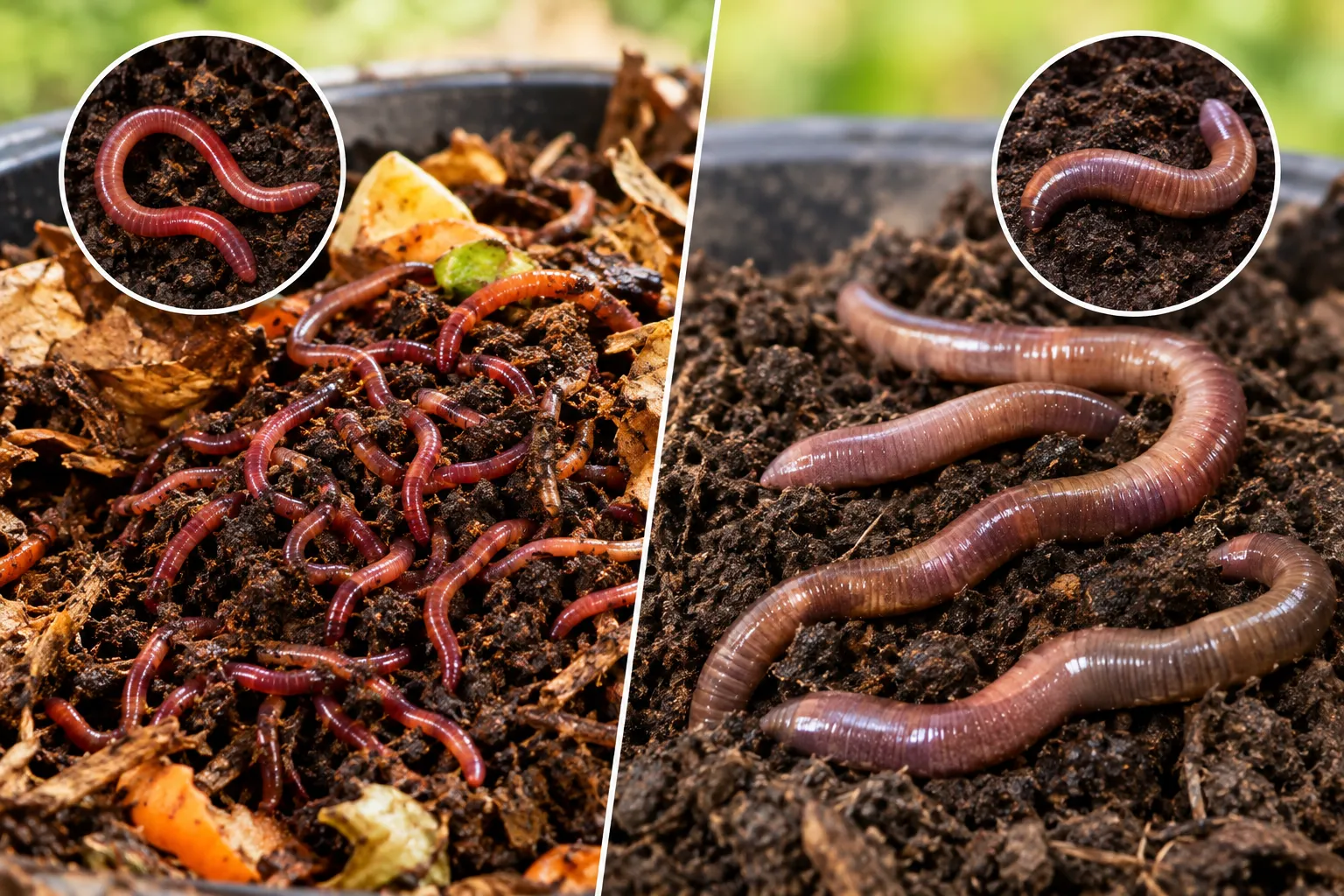
Red Wigglers
- Small to medium-sized
- Reddish-brown colour
- Very active and energetic
- Usually 2–4 inches long
European Nightcrawlers
- Significantly larger
- Darker colouration
- More robust body structure
- Usually 4–8 inches long
The larger size of European Nightcrawlers makes them easier to handle and more appealing for fishing applications.
Temperature Tolerance
Temperature is another important factor when selecting a worm species.
Red Wigglers
Red Wigglers perform best in temperatures between 15°C and 27°C. They thrive in stable composting environments where conditions remain relatively consistent.
European Nightcrawlers
European Nightcrawlers are known for tolerating a wider temperature range. They can adapt to slightly cooler conditions and are often considered more resilient in changing climates.
Which Worm Is Best for Gardening?
Both species contribute valuable nutrients to the soil through their castings.
Red Wigglers are generally preferred for intensive vermicomposting systems where large quantities of castings are desired. Their rapid waste-processing ability helps gardeners produce more compost in less time.
European Nightcrawlers, on the other hand, are often favoured by gardeners who want larger worms that can also improve soil structure through their burrowing behaviour.
Which Worm Should You Choose?
The right choice depends on your goals.
Choose Red Wigglers If:
- You want maximum composting efficiency.
- You have a small indoor worm bin.
- You want fast population growth.
- Your primary goal is producing worm castings.
Choose European Nightcrawlers If:
- You need worms for both composting and fishing.
- You prefer larger worms.
- You have a larger composting setup.
- You want a more versatile species.
Final Thoughts
Both Red Wigglers and European Nightcrawlers are outstanding worms that can improve composting, enhance soil health, and support sustainable gardening practices. Red Wigglers excel at processing organic waste quickly and producing abundant worm castings, while European Nightcrawlers offer greater versatility and larger size.
By understanding the strengths of each species, you can select the worm that best matches your composting goals, gardening needs, and overall vermiculture experience. No matter which you choose, both worms can help you create healthier soil, reduce waste, and build a more productive garden.
Frequently Asked Questions
What are the main differences between Red Wigglers and European Nightcrawlers?
Red Wigglers are smaller, more active worms that excel at composting efficiency and rapid reproduction, making them ideal for worm bins. European Nightcrawlers are larger, more versatile, and can tolerate a wider range of temperatures, making them suitable for both composting and fishing.
Which worm is better for composting?
Red Wigglers are generally considered better for composting because they process organic waste quickly and reproduce rapidly, allowing for faster compost production. European Nightcrawlers, while effective, tend to process waste more slowly.
Can I use European Nightcrawlers for both composting and fishing?
Yes, European Nightcrawlers are an excellent choice if you need worms for both composting and fishing. Their larger size makes them appealing as live bait, while they also contribute to soil health and composting.
How do I choose the right worm for my gardening needs?
If your primary goal is efficient composting and fast population growth, Red Wigglers are the best choice. If you prefer larger worms that can improve soil structure and want a versatile option for both composting and fishing, go for European Nightcrawlers.
What conditions do Red Wigglers and European Nightcrawlers thrive in?
Red Wigglers thrive in stable temperatures between 15°C and 27°C and prefer to stay near the surface where food waste is abundant. European Nightcrawlers can adapt to a wider temperature range and are more resilient in changing climates.
How fast do Red Wigglers reproduce compared to European Nightcrawlers?
Red Wigglers reproduce much faster, with populations potentially doubling within a few months under optimal conditions. European Nightcrawlers grow more slowly, establishing healthy populations but at a less aggressive rate.
What size differences exist between Red Wigglers and European Nightcrawlers?
Red Wigglers are typically 2–4 inches long and have a reddish-brown color, while European Nightcrawlers are larger, usually 4–8 inches, and have a darker coloration. The size makes European Nightcrawlers easier to handle for fishing applications.
Are both types of worms suitable for indoor composting?
Yes, both Red Wigglers and European Nightcrawlers can be used for indoor composting. However, Red Wigglers are often preferred for smaller indoor setups due to their efficient composting capabilities.


























Sign in to leave a comment.