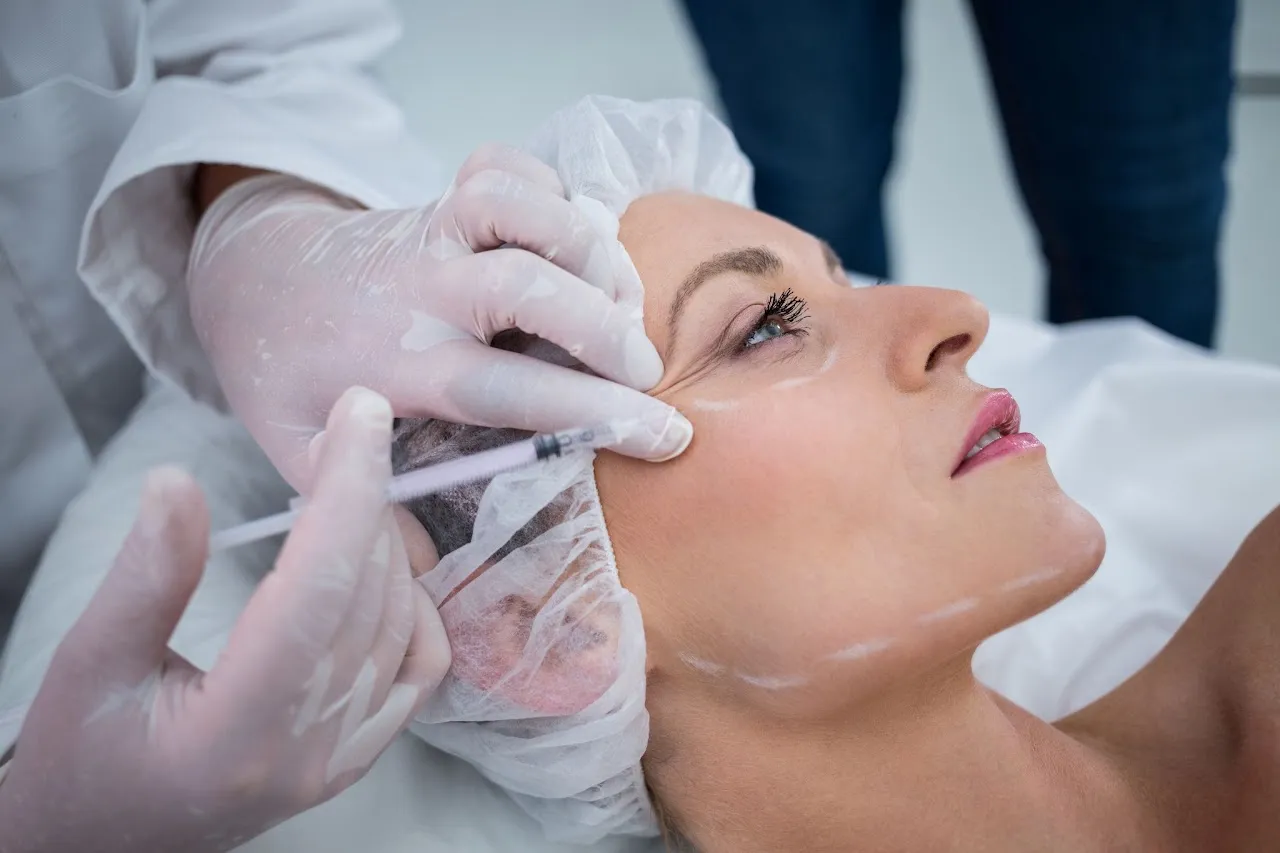

Visible lines and wrinkles are a natural part of ageing, but changes in skin elasticity, collagen production, facial movement, and environmental exposure can make them more noticeable over time. Many individuals explore professional options when they want a fresher and smoother looking complexion while maintaining natural facial expression. Anti wrinkle treatment cheshire can be considered as part of a personalised aesthetic plan following a detailed consultation. Understanding how these treatments work, what areas may be addressed, and what results can realistically be expected helps individuals make informed decisions about suitable care and long term skin maintenance.
Understanding Facial Lines and Wrinkles
Facial lines can develop for several reasons, with repeated muscle movement being one of the most recognised contributors to expression related wrinkles. Smiling, frowning, squinting, and other regular movements can gradually create lines in areas such as the forehead and around the eyes. Natural ageing can also reduce collagen and elastin, making the skin less resilient and slower to recover from repeated movement. Sun exposure, smoking, environmental stress, and lifestyle factors may further influence visible ageing. Understanding these contributing factors can help determine which professional or daily skincare approaches may be appropriate.
Common Areas of Concern
Different facial areas can show signs of ageing at different times, depending on individual anatomy and facial movement. Forehead lines may become visible when the eyebrows are raised, while lines between the eyebrows can appear during frowning. Fine lines around the outer eye area may become more noticeable during smiling or squinting. Professional assessment can examine these areas individually rather than treating the entire face in the same way. This approach allows treatment planning to focus on specific concerns while considering facial proportions, existing movement, skin condition, and the individual’s desired level of rejuvenation.
How Anti Wrinkle Treatments Work
Anti wrinkle procedures are designed to temporarily reduce the activity of selected facial muscles responsible for certain expression lines. By reducing excessive muscle movement in targeted areas, the appearance of dynamic wrinkles may become softer over time. The treatment is generally performed using carefully placed injections following an assessment of facial movement and anatomy. Results do not usually appear instantly and can develop gradually as the treatment takes effect. Because facial structure and muscle activity differ between individuals, treatment should always be personalised rather than based on a standard number of injection points or a fixed approach.
Importance of Professional Consultation
A consultation provides an opportunity to discuss concerns, expectations, previous aesthetic procedures, relevant medical information, and the desired appearance before treatment. Facial movement and muscle strength can be assessed to determine whether an anti wrinkle procedure is suitable for the individual. A practitioner can also explain potential benefits, temporary effects, possible risks, and aftercare requirements. This discussion helps establish realistic expectations and supports informed decision making. If another treatment would be more appropriate for a particular concern, professional guidance can help identify alternatives instead of automatically recommending an anti wrinkle procedure.
Creating Natural Looking Results
Many individuals seeking wrinkle reduction prefer results that maintain facial expression rather than creating an overly restricted appearance. Achieving a balanced outcome requires careful consideration of facial anatomy, muscle movement, treatment areas, and the amount of product used. A conservative approach may be appropriate for individuals seeking subtle softening, while treatment plans can be adjusted according to individual goals. Professional expertise is particularly important because facial muscles work together, and changing movement in one area can influence the appearance of nearby features. Careful planning can help preserve facial balance while reducing the prominence of selected expression lines.
Individual Treatment Planning
Every face has different proportions, muscle patterns, skin characteristics, and ageing changes, so treatment plans should be personalised accordingly. A practitioner may consider whether lines are visible at rest, during expression, or under both circumstances. Skin quality and the presence of volume loss may also influence the recommended approach. In some cases, anti wrinkle treatment may not fully address a concern if the main issue involves skin laxity or reduced facial volume. A detailed assessment can help distinguish these concerns and ensure that recommendations are based on the individual’s specific appearance and treatment objectives.
Understanding Treatment Expectations
Anti wrinkle treatments are temporary and should not be viewed as permanent solutions to facial ageing. The duration of visible improvement can vary according to the individual, treatment area, muscle activity, metabolism, and other factors. Some people may notice changes within several days, while the full effect can take longer to develop. Follow up appointments may sometimes be recommended to assess the response and determine whether further treatment is appropriate. Understanding the temporary nature of the procedure allows individuals to plan realistically and recognise that ongoing maintenance may be required to preserve the desired appearance.
Considering Possible Temporary Effects
As with any injectable cosmetic procedure, temporary reactions can occur. Mild redness, swelling, tenderness, or small marks around injection sites may sometimes develop and generally settle as the skin recovers. Individuals should receive clear aftercare guidance and understand which activities or products may need to be avoided immediately following treatment. Unusual or persistent symptoms should be discussed promptly with the treating professional. Selecting an appropriately qualified practitioner and receiving treatment in a suitable clinical environment can help support safety. Thorough consultation and informed consent remain important parts of responsible aesthetic treatment.
Supporting Skin Quality Alongside Treatment
Reducing expression lines is only one aspect of maintaining a youthful looking complexion. Skin quality can also be supported through appropriate cleansing, hydration, moisturisation, and regular sun protection. Ultraviolet exposure can contribute to premature ageing and may accelerate visible changes in skin texture and pigmentation. A balanced skincare routine can therefore complement professional aesthetic treatment. Individuals may also benefit from avoiding excessive smoking and maintaining healthy lifestyle habits. While skincare cannot stop natural ageing, consistent daily care can help maintain the condition of the skin and support a more refreshed appearance alongside professionally guided procedures.
The Role of Sun Protection
Daily sun protection is particularly valuable when managing visible signs of ageing because ultraviolet radiation can contribute to collagen breakdown and pigmentation changes. A suitable broad spectrum sunscreen can help reduce unnecessary exposure, while hats and shade can provide additional protection during strong sunlight. Sun protection should not be limited to the period immediately after an aesthetic procedure. Maintaining the habit throughout the year can help protect the skin and preserve improvements achieved through professional care. Individuals with specific pigmentation or sensitivity concerns may also benefit from receiving personalised advice about appropriate sunscreen products and application routines.
Combining Treatments Responsibly
Some individuals may have several concerns, such as wrinkles, pigmentation, uneven texture, or reduced firmness. Different treatments address different aspects of facial ageing, so a combination approach may sometimes be considered following professional assessment. However, combining procedures does not automatically create better results. Timing, treatment compatibility, skin condition, and recovery requirements must be considered carefully. A practitioner can determine whether procedures should be performed separately or as part of a broader plan. Allowing adequate recovery time and following professional guidance can help reduce unnecessary irritation and support a more controlled treatment journey.
Maintaining Results Over Time
Long term maintenance involves more than repeating aesthetic procedures. Regular skincare, sun protection, healthy lifestyle choices, and professional reviews can all contribute to maintaining a refreshed appearance. Facial ageing continues naturally, so treatment plans may need to change as skin condition and facial structure develop. Repeated procedures should always be guided by professional assessment rather than performed automatically at fixed intervals. Individuals can discuss whether maintenance remains appropriate and whether their original treatment goals have changed. A considered approach helps avoid unnecessary treatment while supporting natural looking results that remain proportionate to the individual’s facial features.
Choosing Suitable Professional Care
Selecting a practitioner requires careful consideration of qualifications, experience, consultation standards, hygiene practices, treatment environment, aftercare, and communication. Individuals should feel comfortable asking questions about the procedure, expected results, possible temporary reactions, and recovery requirements. Responsible practitioners should explain both benefits and limitations rather than making unrealistic promises. Before treatment, individuals should also disclose relevant information requested during consultation so that suitability can be assessed properly. Choosing professional care based on safety, expertise, and personalised planning can provide greater confidence and help individuals make decisions that align with their appearance goals.
Making an Informed Decision
Aesthetic treatment should always be approached as a personal choice rather than something that is necessary for healthy skin or confidence. Individuals can take time to consider their expectations and discuss concerns during consultation before deciding whether to proceed. Understanding how the procedure works and what it can realistically achieve allows people to evaluate whether it matches their goals. Professional advice can also help identify situations where postponing treatment or considering another option may be more appropriate. An informed decision is one that considers personal preferences, suitability, potential risks, expected benefits, and long term maintenance requirements.
Conclusion
Facial lines and wrinkles are natural features of ageing, but professional aesthetic treatments can help soften selected expression lines and create a fresher looking appearance when used appropriately. Careful consultation, personalised treatment planning, realistic expectations, suitable aftercare, and consistent skincare all contribute to a responsible approach. Results vary between individuals, making professional assessment essential before treatment. Those considering personalised aesthetic care can explore suitable options with Este Medical Group Cheshire, where individual concerns, facial characteristics, treatment expectations, and long term skincare goals can be discussed before developing an appropriate approach.























Sign in to leave a comment.