Refrigerated Transport Dubai – Cold Chain Logistics Since 2005

The Night a Shipment Almost Went Wrong
A dairy supplier called me at eleven one night. His regular driver had not shown up, and a full load of labneh and fresh cheese was sitting at his warehouse with nowhere to go. Morning deliveries to four hotels depended on that shipment moving within the hour. We had a chiller van on the road by midnight. That call came early in our story. Dubai Truck (Afridi Refrigerated Transport LLC) had opened in 2005 with freezer vans and chiller vans. What that dairy supplier taught us was simple. Refrigerated transport is not a backup plan. It is the difference between a business that keeps its customers and one that loses them.

What Refrigerated Transport Actually Means
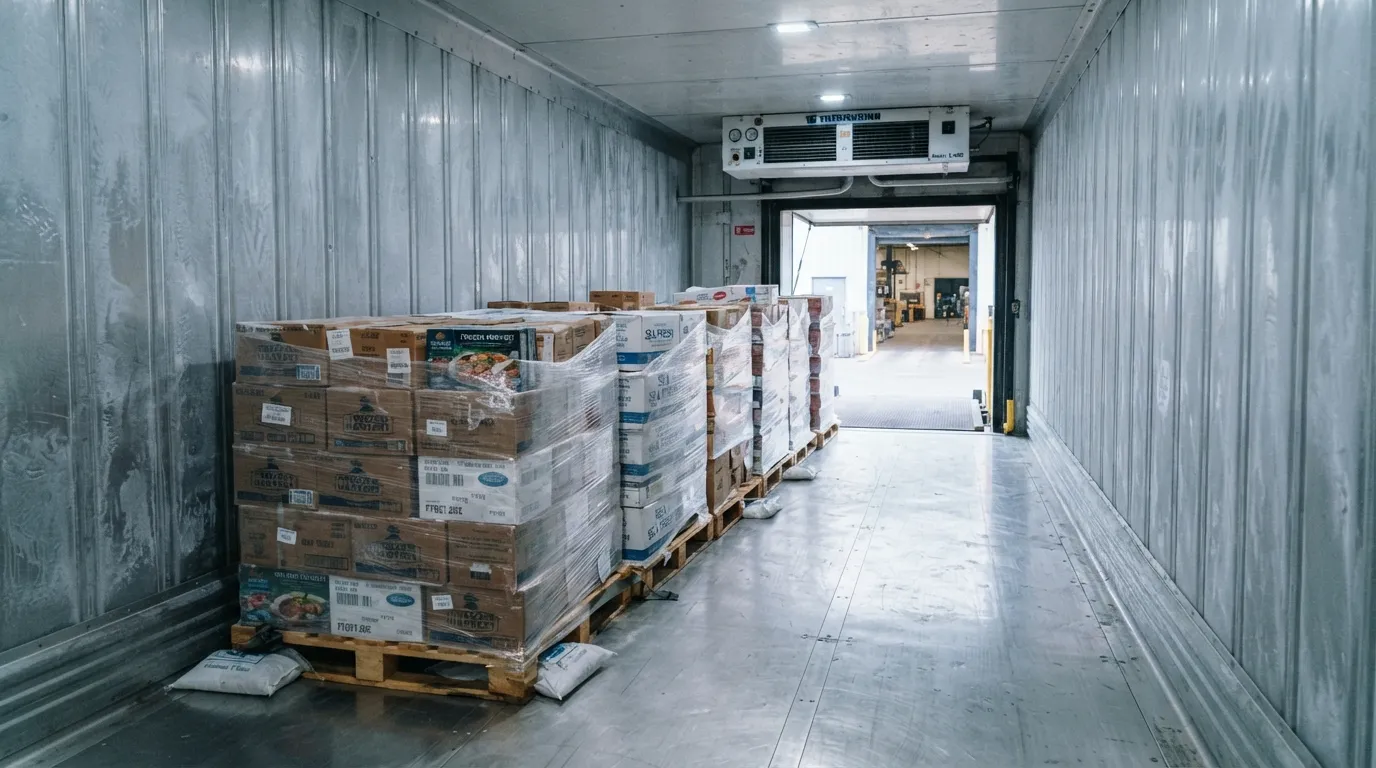
Refrigerated transport is the movement of temperature-sensitive goods in vehicles built to hold a specific temperature range from pickup to delivery. That range could be +2°C to +8°C for dairy and produce, -18°C to -22°C for frozen meat and ice cream, or something in between for flowers, chocolates, and medicines. The key word is hold. Not cool down. Not roughly stay cold. Hold. A proper refrigerated vehicle maintains its set temperature whether it is driving on Sheikh Zayed Road, parked at a loading bay in Deira, or stuck in traffic near the port.
Why Dubai Makes Cold Chain Harder
Most cities have a few hot weeks. Dubai has a hot year. Summer temperatures cross 45°C. Asphalt surfaces get hotter than that. A van without insulation turns into an oven in under twenty minutes. That is not an exaggeration. It is physics. Add the fact that the UAE imports over 80% of its food, and you start to see why refrigerated transport matters so much here. Every imported tomato, every frozen chicken, every vial of insulin depends on a cold chain that does not break between the port, the warehouse, and the shelf.
The Small Number That Changes Everything
Here is something worth sitting with. Most rental trucks allow temperature swings of 3 to 4 degrees across the cargo space. Our vehicles hold variation to 0.6%. That tiny gap sounds unimportant until you run a full year of deliveries. Over twelve months of daily use, that tighter control means more than 6.9 times fewer spoiled pallets. Picture a distributor receiving ten reefer loads a week. With loose temperature control, one pallet gets rejected weekly. That is 52 pallets lost every year. With our trucks, one pallet gets rejected every seven weeks. That is seven or eight annually. Forty-five extra pallets sold instead of thrown away. That is not a rounding error. That is profit.
A Range Built Around Real Cargo
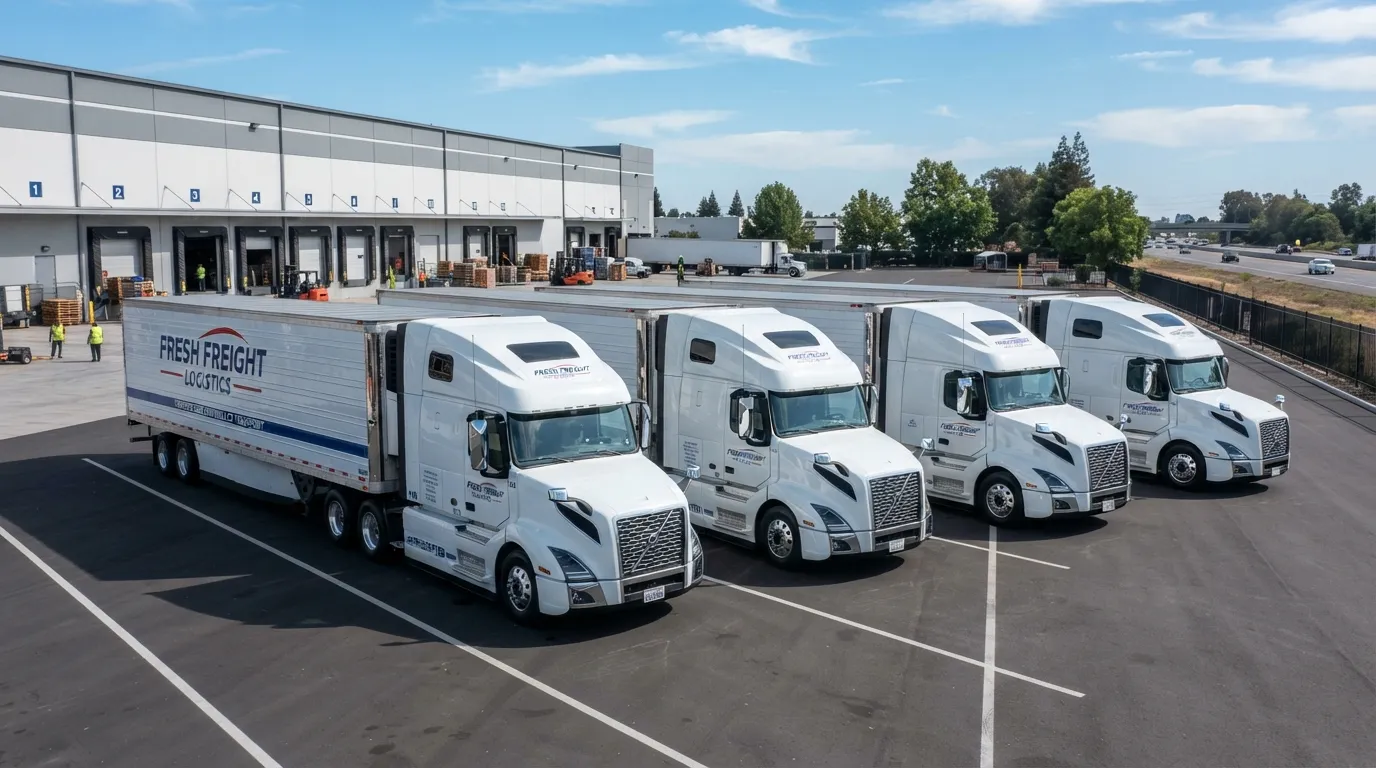
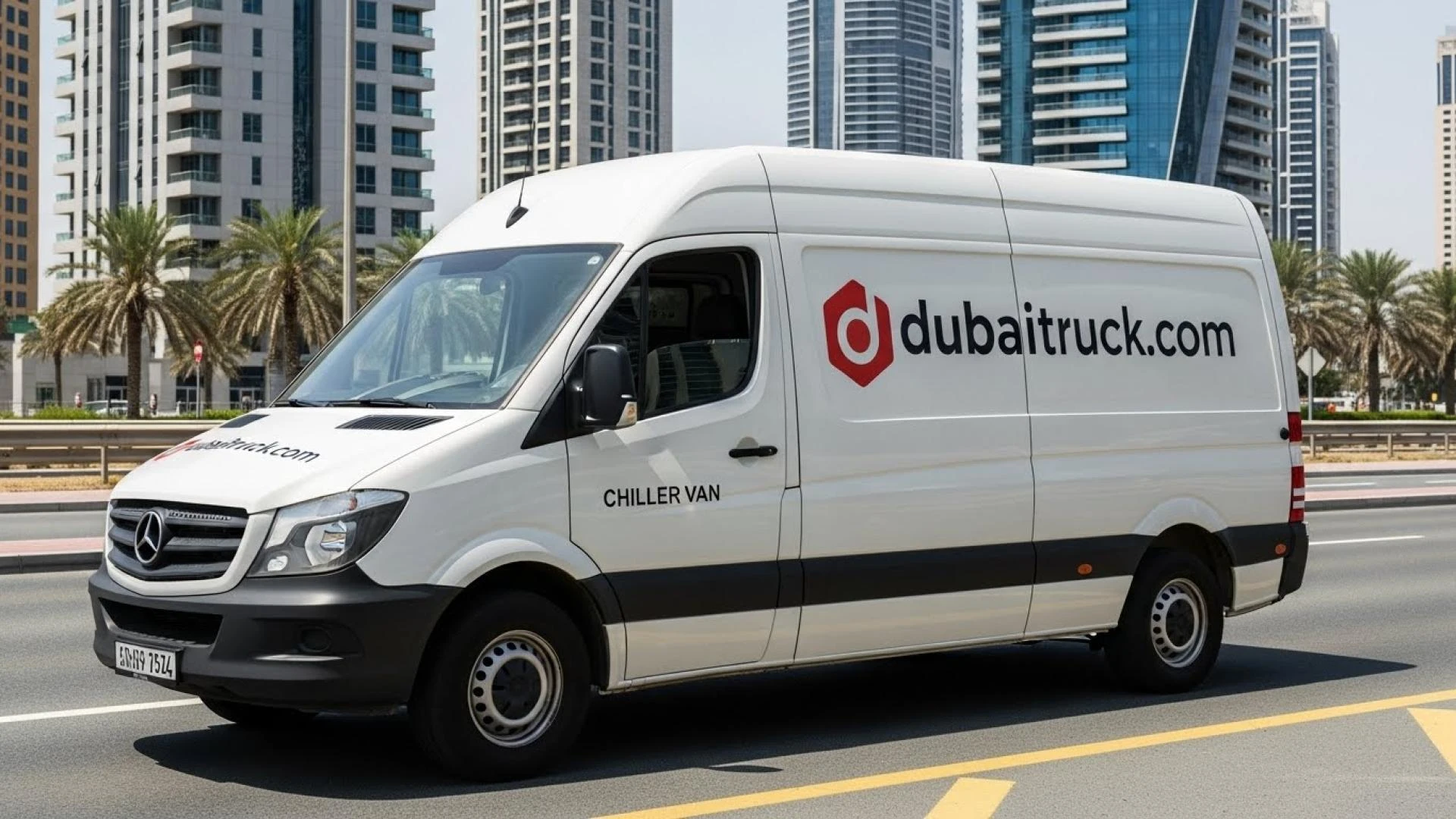
Our fleet covers the whole spread. Small chiller vans handle bakery runs, flower deliveries, and pharmacy drops. Chiller trucks in the 3 to 10-ton range work for supermarkets, caterers, and wholesalers. Freezer trucks sit at -18°C to -22°C for meat, seafood, and ice cream. Multi-temperature trucks carry frozen goods in one section and chilled goods in another, separated by insulated dividers and running on independent evaporators. Every vehicle uses Thermo King or Carrier refrigeration units. Every truck has digital temperature logging and GPS tracking. Every rental arrives pre-cooled, so you load into a cold space instead of a hot box.
How Temperature Gets Documented
Documentation matters more than most businesses realize. Dubai Municipality requires temperature logs for food transport. Pharmaceutical shipments fall under Good Distribution Practice rules from the Ministry of Health and Dubai Health Authority, which means validated monitoring and chain-of-custody records. Our trucks produce a PDF report after every rental showing temperature every five minutes. That report goes to you by email. It is audit-ready. It also gives you something to show a customer who asks whether their shipment stayed cold the whole way.
Where Refrigerated Transport Gets Used Most
Food distributors top the list. Supermarkets need daily chilled and frozen replenishment across multiple branches. Hotels and restaurants order fresh produce, dairy, and seafood constantly. Pharmaceutical wholesalers move insulin, vaccines, and biologics to clinics and hospitals. Meat and seafood importers rely on freezer trucks running from Jebel Ali Port to cold storage and then onward to retailers. Caterers need mixed loads for events. Florists need gentler cooling for delicate blooms. Each cargo type has its own temperature requirement. Each one gets a vehicle configured for that requirement.
Customers Who Count on Us
Real feedback from businesses we work with.
"I manage a frozen food distribution company serving supermarkets in Dubai and Abu Dhabi. We used to own trucks, but maintenance costs were killing us. Now we rent when we need extra capacity. Monthly costs dropped 40%, and we have not lost a pallet in fourteen months." – Rashid A., distribution manager.
"We farm organic vegetables in Ras Al Khaimah and deliver to hotels across the UAE. Before this, we used ice chests in personal cars. The difference is night and day. Our produce arrives crisp after four-hour drives. Hotel clients noticed within the first month." – Hamad and Aisha, farm owners.
Frequently Asked Questions
How do I know which temperature range my cargo needs?
Check the product label or storage instructions. Chilled items typically need +2°C to +8°C. Frozen items need -18°C or colder. Call us if unsure.
What happens if the cooling unit fails during a rental?
Call our 24/7 hotline. We dispatch a replacement vehicle immediately and send a technician within ninety minutes.
What documents are required to rent a refrigerated vehicle?
A valid UAE driving licence for the vehicle class. A trade licence for commercial use. For personal moves, Emirates ID and a refundable deposit.
Do you provide temperature records after delivery?
Yes. Every vehicle has a data logger. We email you a PDF showing temperature every five minutes from pickup to drop-off.
How early should I book during peak periods?
Regular weekdays need 24 to 48 hours. November through February and Ramadan require at least one week of notice.




Sign in to leave a comment.