
Introduction
Maintaining the correct temperature inside refrigerators and cold storage facilities is essential for businesses that handle perishable products. Hotels, restaurants, hospitals, supermarkets, pharmaceutical facilities, food processing industries, and cold chain businesses depend on reliable refrigeration systems to preserve product quality, maintain safety standards, and prevent unnecessary losses.
Traditional refrigeration management often relies on manual temperature inspections. Although these checks provide basic information, they cannot guarantee continuous monitoring or immediate detection of unexpected temperature changes. Equipment failures, power interruptions, refrigerator door openings, and cooling system malfunctions can occur at any time.
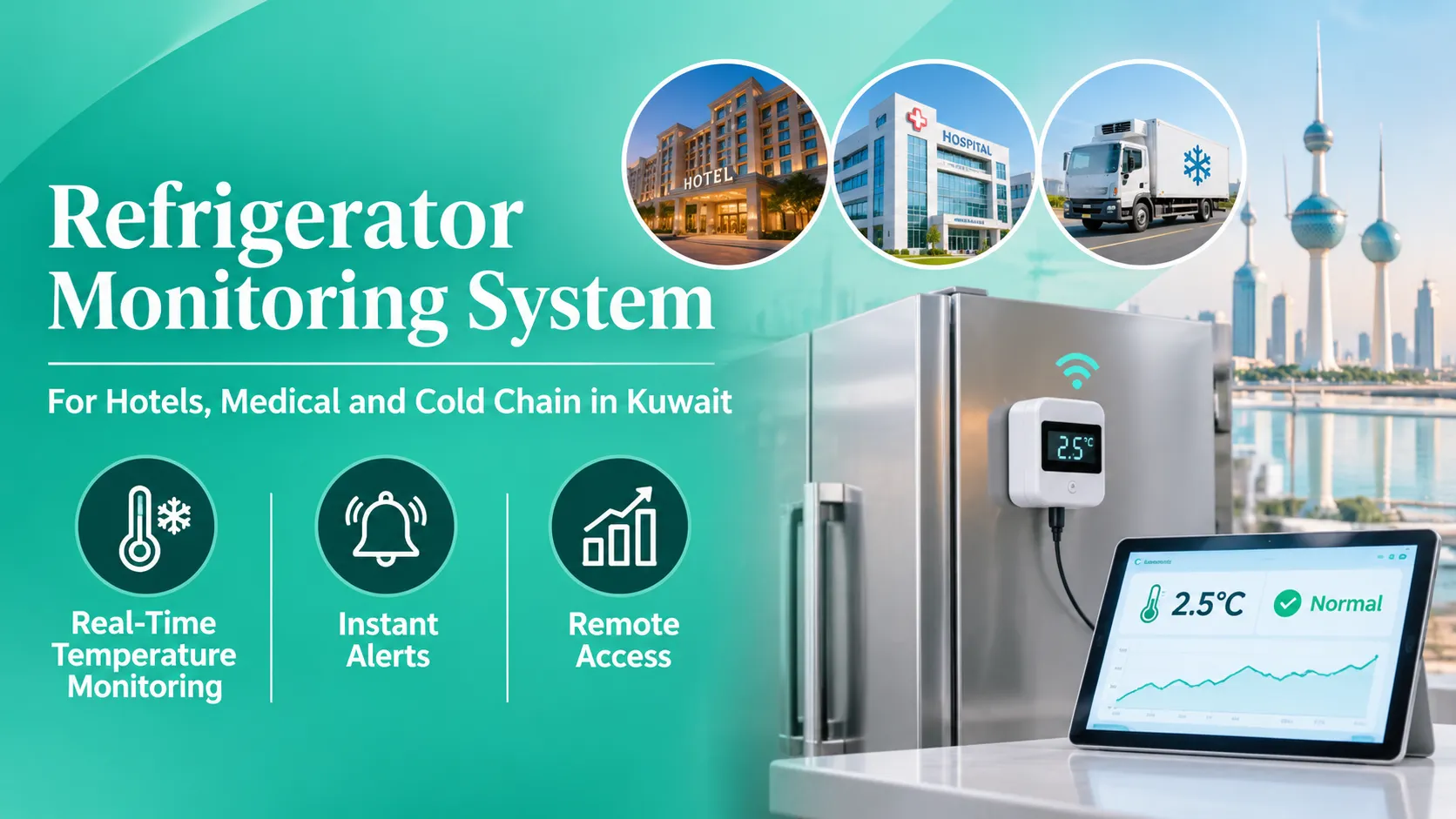
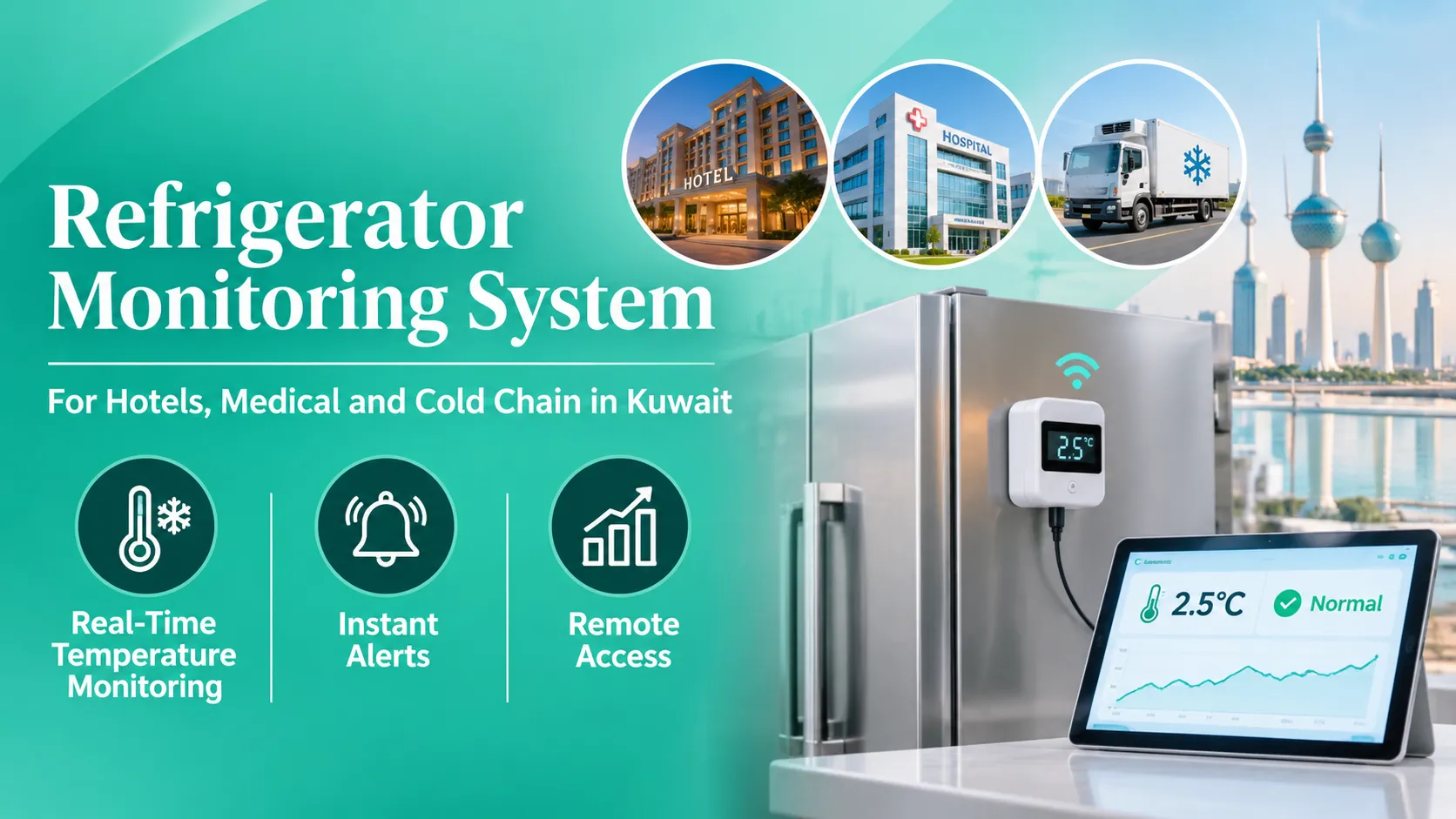
A modern Refrigerator Monitoring System provides an effective solution by continuously tracking refrigerator temperatures and sending real-time alerts whenever readings move outside predefined limits. With intelligent sensors, connected monitoring devices, remote access, and historical data records, businesses can maintain better control over their refrigeration infrastructure.
Implementing a reliable refrigerator temperature monitoring system helps organizations improve food safety, reduce product wastage, maintain equipment performance, and strengthen operational efficiency.
What Is a Refrigerator Monitoring System?
A Refrigerator Monitoring System is an intelligent technology solution designed to continuously monitor temperature conditions inside refrigerators, freezers, cold rooms, and other temperature-controlled storage environments.
The system uses digital temperature sensors and connected monitoring devices to collect temperature readings at regular intervals. These readings are transmitted to a centralized platform, where authorized users can view current conditions, review historical information, and receive notifications when abnormal conditions are detected.
Unlike traditional manual inspections, automated monitoring provides continuous visibility into refrigeration performance. Staff members do not need to physically inspect every refrigerator to identify temperature changes.
Depending on the system configuration, advanced monitoring solutions can also track humidity, power status, refrigerator door activity, and other environmental conditions.
Why Is Refrigerator Temperature Monitoring Important?
Temperature control is one of the most important factors in protecting products stored under refrigerated conditions. Perishable food, medicines, vaccines, laboratory materials, and other temperature-sensitive products require appropriate storage environments.
Unexpected temperature fluctuations can compromise product quality, shorten shelf life, and create financial losses.
1. Maintaining Consistent Storage Temperatures
Different products require specific storage temperatures. Maintaining appropriate conditions helps preserve product quality and prevents premature deterioration.
A smart monitoring solution continuously records temperature readings and helps staff identify deviations from configured limits.
2. Preventing Product Spoilage
Refrigeration failures can cause products to deteriorate without immediate visible signs. Continuous monitoring helps detect abnormal temperature conditions before they result in significant losses.
3. Identifying Equipment Problems Early
A refrigerator may experience compressor problems, cooling inefficiencies, electrical interruptions, or sensor-related issues.
Monitoring temperature trends helps maintenance teams recognize unusual patterns and investigate potential equipment problems.
4. Reducing Manual Inspections
Manual temperature checks require staff time and consistent documentation. Automated monitoring reduces repetitive inspection activities while providing continuous temperature information.
5. Improving Operational Reliability
Businesses managing multiple refrigerators can monitor their equipment through a centralized platform. This improves visibility, simplifies supervision, and supports faster responses to operational issues.
How Does a Smart Refrigerator Monitoring System Work?
A smart refrigerator monitoring system combines temperature sensors, communication technology, monitoring software, and notification features to provide continuous visibility into refrigeration conditions.
The working process generally involves the following stages.
1. Temperature Detection: Digital temperature sensors are installed inside refrigerators, freezers, or cold storage units. These sensors measure the internal temperature at predefined intervals.
2. Data Collection: The connected monitoring device collects readings from the sensors and processes the information for transmission.
3. Data Transmission: Depending on the system architecture, temperature information can be transmitted through Wi-Fi, Ethernet, cellular networks, or other supported communication technologies.
4. Centralized Monitoring: The collected information is displayed on a monitoring dashboard. Authorized personnel can access temperature readings, equipment status, and historical records.
5. Real-Time Alerts: When temperature readings exceed predefined thresholds, the system generates notifications. These alerts help responsible staff investigate the issue and take appropriate action.
6. Historical Reporting: The system stores temperature records, allowing businesses to review previous readings, identify recurring problems, and maintain documentation for operational purposes.
This automated process helps organizations maintain better control over temperature-sensitive storage environments.
Key Features of a Refrigerator Monitoring System
An effective automated temperature monitoring system includes several features designed to improve refrigeration management.
1. Real-Time Temperature Monitoring
Continuous temperature monitoring provides updated information about refrigeration conditions. Users can identify abnormal readings without waiting for scheduled manual inspections.
2. Instant Temperature Alerts
Automated alerts notify designated personnel when temperature readings move beyond configured limits. Notifications may be delivered through email, SMS, mobile applications, or other supported communication channels.
3. Remote Monitoring and Access
Remote monitoring allows authorized users to check refrigerator conditions from different locations using supported devices.
This feature is particularly useful for businesses operating multiple branches, storage facilities, or geographically distributed refrigeration units.
4. Historical Temperature Records
Maintaining historical temperature records helps organizations review previous conditions, investigate incidents, and understand equipment performance over time.
5. Power Failure Monitoring
Power interruptions can affect refrigeration performance. Systems with power-status monitoring can notify responsible personnel when an electrical interruption is detected.
6. Door Status Monitoring
Frequent or prolonged refrigerator door openings may affect internal temperature stability. Door sensors can help identify unusual door activity and support better operational control.
7. Centralized Dashboard
A centralized dashboard provides a single interface for monitoring multiple refrigerators and cold storage units.
It allows managers to review equipment conditions, identify abnormal readings, and coordinate maintenance activities more efficiently.
Applications of Refrigerator Monitoring Systems Across Different Industries
A refrigerator monitoring solution is useful in several industries where maintaining controlled temperatures is essential.
1. Hotels and Hospitality Industry
Hotels manage large refrigeration facilities across kitchens, restaurants, cafeterias, banquet departments, and food storage areas.
Maintaining consistent refrigeration conditions is important for protecting fresh ingredients, dairy products, meat, seafood, and prepared food.
A smart monitoring system helps hotel management monitor multiple refrigeration units, receive alerts about temperature abnormalities, and reduce the risk of food spoilage.
It also supports kitchen staff by reducing dependence on repeated manual temperature checks.
2. Restaurants and Commercial Kitchens
Restaurants handle different types of perishable ingredients that require appropriate storage conditions.
Unexpected refrigerator failures can result in food waste, increased expenses, and interruptions to kitchen operations.
An automated monitoring solution provides continuous temperature visibility and helps restaurant managers respond quickly to refrigeration problems.
3. Hospitals and Healthcare Facilities
Hospitals and healthcare organizations store temperature-sensitive medicines, vaccines, laboratory samples, and medical supplies.
Maintaining the required storage conditions is essential for protecting product integrity.
A medical refrigerator monitoring system helps healthcare facilities continuously monitor storage temperatures, receive alerts about abnormal conditions, and maintain historical records.
For critical applications, the monitoring configuration should be selected according to the relevant product storage requirements and regulatory guidelines.
4. Pharmaceutical Industry
Pharmaceutical products often require carefully controlled storage conditions throughout their handling and distribution processes.
Temperature deviations can affect product quality and create compliance concerns.
A reliable monitoring solution helps pharmaceutical organizations maintain temperature visibility, document storage conditions, and identify potential refrigeration problems.
5. Supermarkets and Retail Stores
Supermarkets operate multiple refrigerators, display coolers, and freezers for storing dairy products, frozen foods, beverages, meat, and other perishable goods.
Monitoring these units helps store managers identify cooling problems and minimize unnecessary inventory losses.
6. Cold Storage and Cold Chain Facilities
Cold storage warehouses and cold chain facilities require consistent temperature management to protect products during storage and distribution.
A cold storage temperature monitoring system provides continuous information about environmental conditions and supports centralized supervision across multiple storage areas.
It is especially valuable for facilities managing large quantities of temperature-sensitive inventory.
7. Food Processing Industries
Food processing facilities depend on controlled storage environments for raw materials, ingredients, and finished products.
Automated monitoring helps maintain visibility into refrigeration conditions and supports quality management processes.
Benefits of Implementing an Automated Refrigerator Monitoring System
Investing in an automated refrigerator monitoring system offers several operational and business advantages.
Reduced Food and Product Waste
Early detection of temperature abnormalities allows businesses to investigate potential problems before significant product deterioration occurs.
This helps reduce avoidable losses and improve inventory management.
Improved Food Safety Management
Continuous temperature records help businesses maintain better control over refrigerated food storage conditions.
They also support internal food safety procedures and monitoring practices.
Faster Incident Response
Instant notifications help responsible employees identify potential problems without waiting for routine inspections.
Faster responses can reduce the impact of equipment failures and unexpected temperature changes.
Better Equipment Performance
Historical temperature information helps maintenance teams recognize unusual operating patterns and investigate potential refrigeration issues.
This supports more proactive maintenance planning.
Lower Operational Costs
Reducing manual inspection requirements, preventing avoidable product losses, and identifying equipment problems earlier can contribute to improved operational efficiency.
Centralized Management
Businesses operating multiple refrigeration units can monitor them through a centralized interface.
This makes it easier to supervise equipment across different departments, branches, and facilities.
Improved Accountability
Recorded temperature information provides a reference for reviewing storage conditions and investigating incidents.
It also helps management establish clearer monitoring responsibilities among employees.
Challenges of Traditional Refrigerator Temperature Monitoring
Many businesses continue to depend on manual temperature monitoring. Although this approach may be suitable for limited refrigeration requirements, it has several disadvantages.
Limited monitoring frequency: Manual inspections provide readings only when employees perform checks. Temperature changes between inspections may remain undetected.
Human errors: Employees may forget inspections, record incorrect readings, or overlook abnormal conditions.
Delayed notifications: Traditional monitoring methods generally cannot provide immediate alerts when temperatures move outside acceptable limits.
Difficult record management: Maintaining handwritten temperature logs across multiple refrigerators can become time-consuming and difficult to organize.
Limited remote visibility: Managers may need to visit individual storage locations to check equipment conditions.
Higher risk of unnoticed failures: Refrigeration problems occurring during weekends, holidays, or overnight periods may remain unidentified until the next inspection.
A modern IoT-based refrigerator monitoring system addresses many of these limitations by automating temperature data collection, providing remote access, and generating alerts when abnormal conditions occur.
How to Choose the Right Refrigerator Monitoring System
Selecting the appropriate monitoring solution requires an understanding of business requirements, storage conditions, and operational priorities.
Consider the following factors before implementation.
Sensor Accuracy and Reliability
Choose temperature sensors suitable for the required monitoring range and operating environment. Sensor accuracy and calibration requirements are particularly important for pharmaceutical and healthcare applications.
Real-Time Notification Capabilities
Ensure the system supports timely alerts through appropriate communication channels.
Remote Monitoring Features
Select a platform that allows authorized users to access temperature information remotely.
Data Storage and Reporting
Historical records and reporting capabilities are important for reviewing temperature trends, investigating incidents, and maintaining documentation.
Scalability
Choose a solution that can accommodate additional refrigerators, freezers, cold rooms, and monitoring locations as business requirements expand.
Integration Capabilities
Check whether the monitoring solution supports integration with existing building management platforms, IoT infrastructure, or other business systems where required.
Technical Support and Maintenance
Reliable technical support, sensor maintenance, calibration, and system servicing are important for long-term monitoring performance.
The Role of IoT in Modern Refrigerator Monitoring
The Internet of Things (IoT) is transforming how businesses manage refrigeration infrastructure.
Traditional refrigeration monitoring often depends on periodic inspections and individual temperature displays. In comparison, IoT refrigerator monitoring connects sensors and monitoring devices to digital platforms, allowing temperature information to be collected and accessed remotely.
IoT technology enables businesses to monitor several refrigeration units through a centralized system. It also supports automated notifications, historical data analysis, and improved visibility into equipment conditions.
For organizations managing large refrigeration networks, this technology provides an opportunity to improve operational coordination and reduce dependence on manual monitoring procedures.
As digital infrastructure continues to develop, IoT-enabled refrigeration monitoring is becoming an increasingly important component of smart facility management.
Future Trends in Refrigerator Monitoring Technology
Refrigeration monitoring technology is evolving as businesses adopt more intelligent and connected infrastructure.
Several developments are shaping the future of temperature monitoring.
Artificial Intelligence and Predictive Analytics: Advanced analytics can help identify unusual temperature patterns and support early investigation of potential equipment problems.
Cloud-Based Monitoring: Cloud platforms provide flexible access to temperature information and historical records from different locations.
Mobile Monitoring Applications: Mobile access allows authorized employees to receive alerts and review refrigeration conditions while away from the facility.
Advanced Sensor Technology: Modern sensors are improving monitoring capabilities and supporting more detailed environmental measurements.
Integrated Facility Management: Refrigerator monitoring can become part of broader smart building and industrial IoT ecosystems, allowing organizations to manage multiple operational systems through connected platforms.
These developments are helping businesses move toward more proactive, efficient, and data-driven refrigeration management.
Conclusion
A reliable Refrigerator Monitoring System is an important investment for businesses that depend on consistent temperature-controlled storage. From hotels and restaurants to hospitals, pharmaceutical facilities, supermarkets, and cold chain warehouses, maintaining appropriate refrigeration conditions is essential for protecting products and supporting operational efficiency.
Automated temperature monitoring provides continuous visibility, real-time alerts, remote access, and historical temperature records. These capabilities help businesses identify abnormal conditions, reduce the risk of product spoilage, improve maintenance planning, and minimize the limitations of manual inspections.
As organizations increasingly adopt smart technologies, implementing an advanced refrigerator temperature monitoring system can strengthen temperature management practices and support long-term operational reliability.
Choosing a scalable and dependable monitoring solution allows businesses to maintain better control over their refrigeration infrastructure while improving safety, efficiency, and accountability.
Frequently Asked Questions (FAQs)
1. What is a Refrigerator Monitoring System?
A Refrigerator Monitoring System is an automated solution that uses digital sensors and connected monitoring devices to continuously track refrigerator temperatures. It provides temperature readings, real-time alerts, remote monitoring, and historical records to help businesses maintain appropriate storage conditions.
2. How Does a Refrigerator Temperature Monitoring System Work?
The system uses temperature sensors installed inside refrigerators or cold storage units. These sensors collect temperature readings and transmit the information to a monitoring platform. When temperatures exceed predefined limits, the system generates notifications to alert responsible personnel.
3. Why Is Refrigerator Monitoring Important for Hotels and Hospitals?
Hotels use refrigerator monitoring to protect perishable food products and maintain food storage conditions. Hospitals use it to monitor temperature-sensitive medicines, vaccines, and laboratory materials. Continuous monitoring helps both industries identify temperature abnormalities and respond to potential problems.
4. Can a Refrigerator Monitoring System Send Real-Time Alerts?
Yes. Most modern refrigerator monitoring solutions support automated notifications when temperature readings move outside predefined limits. Depending on the system configuration, alerts can be delivered through SMS, email, mobile applications, or other supported communication channels.
5. What Are the Main Benefits of an IoT-Based Refrigerator Monitoring System?
An IoT-based refrigerator monitoring system provides continuous temperature monitoring, remote access, real-time notifications, historical data records, and centralized management. It helps businesses reduce manual inspections, identify refrigeration problems early, minimize product losses, and improve operational efficiency.

























Sign in to leave a comment.