

Introduction: Modern refrigeration systems are critical assets in various industries, from food storage and pharmaceuticals to research laboratories and food service establishments. Temperature fluctuations, equipment failures, and inadequate monitoring can result in significant losses, compromised product quality, and potential health risks. This article explores comprehensive refrigerator monitoring solutions, their implementation, benefits, and best practices for maintaining optimal cold chain integrity.
Understanding Refrigerator Monitoring
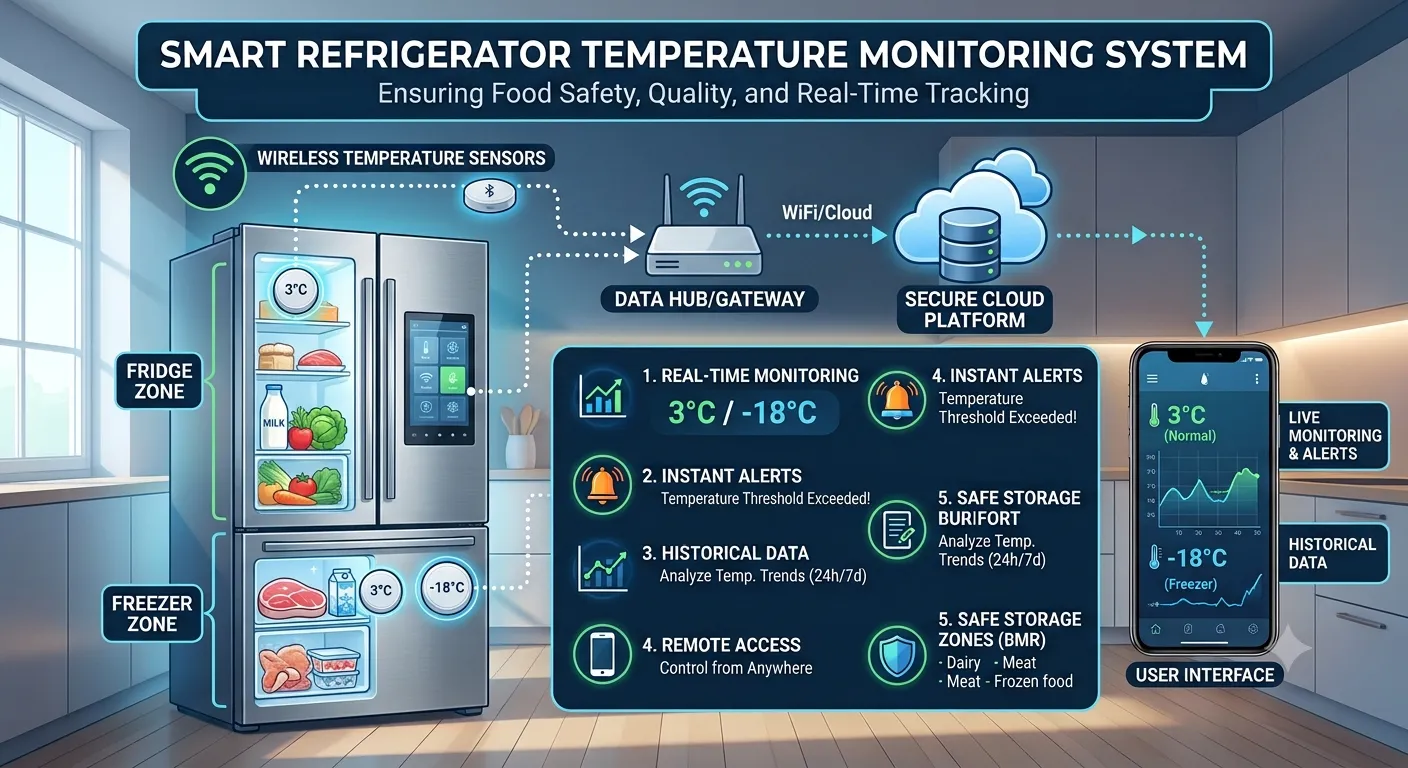
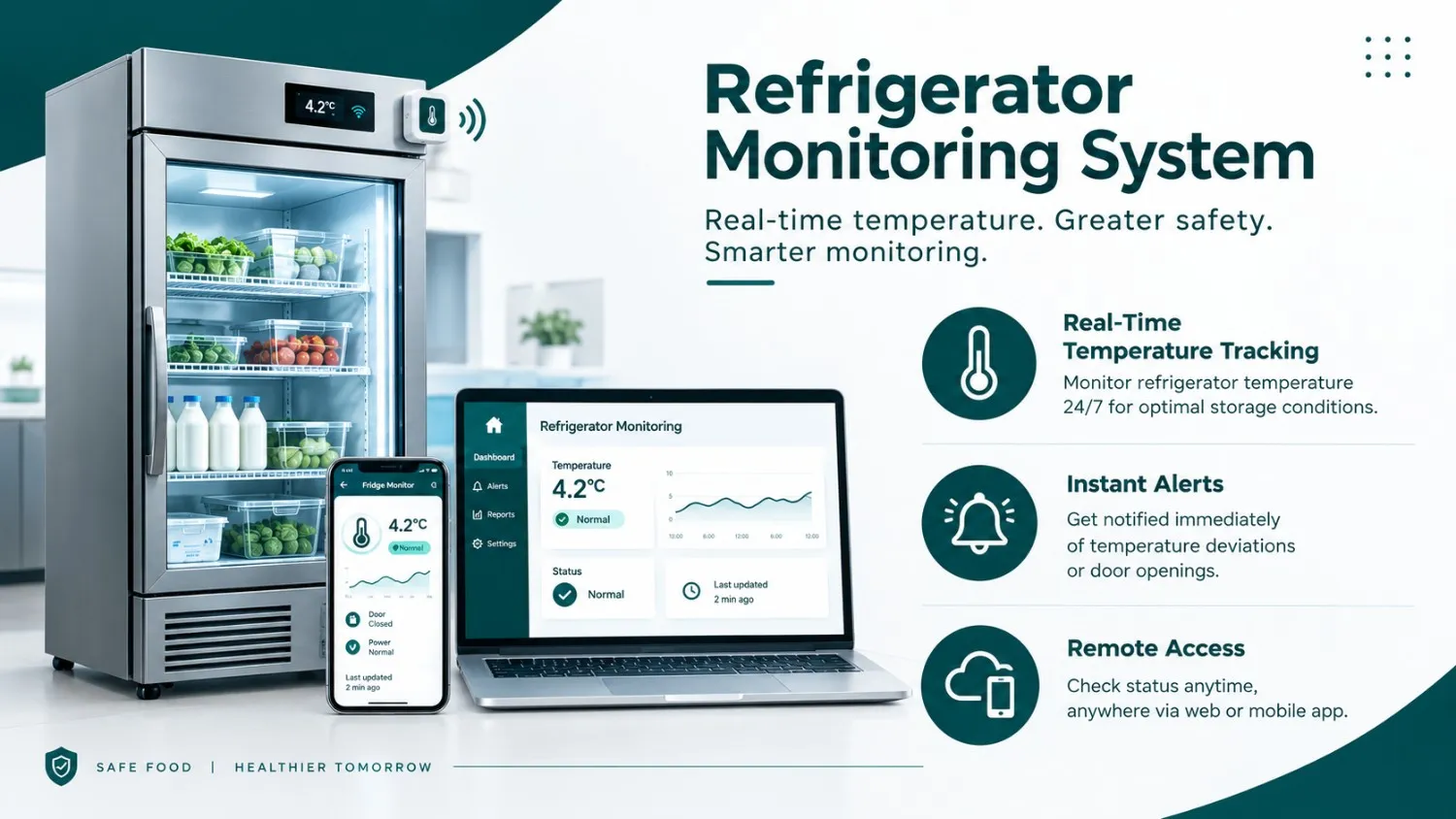
Refrigerator monitoring systems represent a critical component of modern cold chain management. These systems utilize advanced sensor technology and data analytics to continuously track temperature, humidity, and operational parameters of refrigeration units in real-time. The primary objective is to maintain product integrity, ensure regulatory compliance, and minimize spoilage and waste.
Traditional manual temperature logging methods, while still practiced in some facilities, are inherently prone to human error and provide limited historical data for analysis. Modern monitoring solutions leverage Internet of Things (IoT) technology to collect, analyze, and report temperature data automatically, enabling proactive management and immediate response to anomalies.
Key Components of Monitoring Systems
Temperature Sensors
High-precision temperature sensors are the foundation of any monitoring system. Modern sensors employ thermistor or resistance temperature detector (RTD) technology, capable of measuring temperatures with accuracy within ±0.5°C. These sensors are strategically placed within refrigeration units to capture data from multiple locations, ensuring comprehensive coverage and detection of temperature gradients.
Data Transmission
Contemporary monitoring systems utilize wireless transmission protocols such as WiFi, Bluetooth, or cellular networks to transmit sensor data to centralized monitoring platforms. This wireless architecture eliminates the need for extensive wiring infrastructure and enables seamless integration with existing facility management systems.
Cloud-Based Analytics
Data collected from sensors is processed through cloud-based platforms that perform real-time analysis, trend identification, and predictive maintenance assessments. These platforms generate comprehensive reports, visualizations, and actionable insights that support informed decision-making.
Temperature Monitoring Visualization
24-Hour Temperature Profile
0°C5°C10°C15°CTemperature (°C)00:0006:0012:0018:0023:59Time of DayOptimalRangeActual TemperatureFigure 1: Representative 24-hour temperature monitoring profile showing stable refrigeration conditions within optimal parameters
Alert System Architecture
A robust alert system forms the backbone of proactive refrigerator management. Modern monitoring solutions implement multi-tiered alert protocols based on severity levels:
Standard Alert (Orange): Triggered when temperature deviates slightly from optimal range (e.g., 4.5°C when ideal is 2-4°C). These alerts prompt investigation but do not indicate immediate product loss. Typical response time: within 30 minutes.
Critical Alert (Red): Triggered when temperature exceeds critical thresholds (e.g., above 10°C or equipment malfunction detected). Requires immediate intervention to prevent product spoilage. Automated notifications sent to designated personnel via SMS, email, and mobile applications.
Alert systems also incorporate intelligent filtering mechanisms to reduce false positives. Hysteresis settings ensure that alerts do not trigger repeatedly during minor fluctuations, while trend analysis identifies genuine maintenance issues requiring attention.
Alert Frequency Distribution
020406080Number of AlertsStandardWarningCriticalResolvedInfo LogsFigure 2: Alert distribution analysis showing typical alert frequency across categories in a well-maintained facility
Key Benefits of Refrigerator Monitoring
- Regulatory Compliance: Maintains comprehensive audit trails required by HACCP, FDA, and other regulatory frameworks for food safety and pharmaceutical storage.
- Product Integrity Protection: Ensures optimal storage conditions are maintained, extending product shelf-life and maintaining quality standards.
- Cost Reduction: Minimizes product loss from spoilage, reduces energy waste through efficiency monitoring, and enables predictive maintenance to avoid equipment breakdown.
- Real-Time Visibility: Provides instant access to temperature data and facility status from any location through mobile and web interfaces.
- Operational Optimization: Identifies trends and patterns enabling data-driven decisions for capacity planning and equipment upgrades.
- Liability Management: Documented compliance records provide protection against claims related to product quality or storage failures.
Implementation Best Practices
Successful deployment of refrigerator monitoring systems requires careful planning and execution:
| Implementation Phase | Key Considerations | Success Factors |
|---|---|---|
| Assessment | Evaluate existing infrastructure, identify critical refrigeration units, determine monitoring requirements | Stakeholder involvement, facility mapping, compliance needs analysis |
| Selection | Choose system based on scalability, integration capabilities, user interface, reporting features | Vendor evaluation, cost-benefit analysis, reference checks |
| Installation | Deploy sensors in optimal locations, ensure network connectivity, configure alert thresholds | Professional installation, calibration, staff training |
| Validation | Test system accuracy, verify alert functions, validate data transmission | Comparison testing, performance verification, documentation |
| Ongoing Management | Monitor performance, conduct regular maintenance, update configurations as needed | Scheduled reviews, staff training, vendor support engagement |
Conclusion
Refrigerator monitoring systems have evolved from optional luxury to essential infrastructure for organizations committed to product quality, regulatory compliance, and operational excellence. The integration of advanced sensor technology, cloud-based analytics, and intelligent alert systems provides unprecedented visibility into cold chain integrity while generating actionable insights for continuous improvement.
Organizations implementing comprehensive monitoring solutions experience measurable reductions in product loss, improved compliance documentation, and enhanced operational efficiency. As technologies continue to advance and regulatory requirements become more stringent, the adoption of sophisticated refrigerator monitoring systems represents a strategic investment in product quality protection and organizational liability management.
The transition from reactive to proactive cold chain management, enabled by modern monitoring technologies, positions organizations to confidently maintain quality standards, protect their reputation, and optimize operational performance. By implementing best practices in system selection, installation, and management, facilities can maximize the benefits of refrigerator monitoring and establish a foundation for sustainable operational excellence.
Frequently Asked Questions
1. What is the ideal temperature range for refrigerator monitoring in food storage facilities?
The optimal temperature range for most food storage applications is between 2°C and 4°C (35°F and 39°F). This range effectively inhibits bacterial growth while maintaining product quality. However, specific requirements vary by product type and regulatory jurisdiction. Pharmaceutical storage may require tighter ranges (typically 2-8°C), while some specialty foods require even colder temperatures. Monitoring systems should be configured to alert when temperatures deviate beyond acceptable ranges, allowing for prompt corrective action before product integrity is compromised.
2. How frequently should temperature data be recorded and analyzed?
Best practices recommend continuous temperature monitoring with data recording at intervals no longer than 15 minutes for critical applications. High-sensitivity environments, such as pharmaceutical storage or blood banks, may require data collection every 5 minutes or even continuous real-time monitoring. The frequency should balance the need for comprehensive data coverage with system resource requirements. Cloud-based platforms can efficiently handle frequent data collection and automatically identify anomalies through algorithmic analysis, enabling rapid response to deviations without requiring constant manual review.
3. What happens to monitoring data if the internet connection is interrupted?
Modern monitoring systems implement local data buffering capabilities that store temperature readings on the monitoring device during internet outages. Once connectivity is restored, buffered data is automatically transmitted to the cloud platform. This ensures no data loss during temporary connectivity disruptions. Systems should be configured with redundant communication pathways (WiFi, cellular, Ethernet) to maximize uptime. Data retention policies typically maintain 30-90 days of buffered data locally, with older data archived to cloud storage. For mission-critical applications, dual systems or redundant monitoring may be implemented to provide continuous coverage.
4. How do monitoring systems integrate with existing facility management and security systems?
Contemporary monitoring platforms utilize standard APIs and industry protocols (REST, MQTT, Modbus) to integrate with existing Building Management Systems (BMS), Security Information and Event Management (SIEM) systems, and Enterprise Resource Planning (ERP) software. Integration enables consolidated dashboards, automated workflow triggers, and comprehensive compliance reporting across multiple facility systems. Integration typically requires IT coordination during implementation and may involve middleware solutions for legacy systems. Proper integration provides significant operational benefits, including automated maintenance scheduling, centralized alerting, and streamlined compliance documentation.
5. What are the typical costs associated with implementing refrigerator monitoring systems?
Costs vary significantly based on facility size, system complexity, and specific requirements. Hardware costs typically range from $200-$800 per monitoring unit (including sensors and communication devices). Software and subscription fees range from $20-$100 per unit monthly, depending on features and support levels. Implementation and integration services add $1,000-$5,000 for smaller installations. Despite initial investment, most organizations achieve return on investment within 12-24 months through reduced product spoilage, energy efficiency gains, and avoided equipment failures. Total cost of ownership should be evaluated over 5-7 years to fully capture financial benefits.
























Sign in to leave a comment.