
Regular Dental Check-Ups Beat Emergency Dentistry Every Time
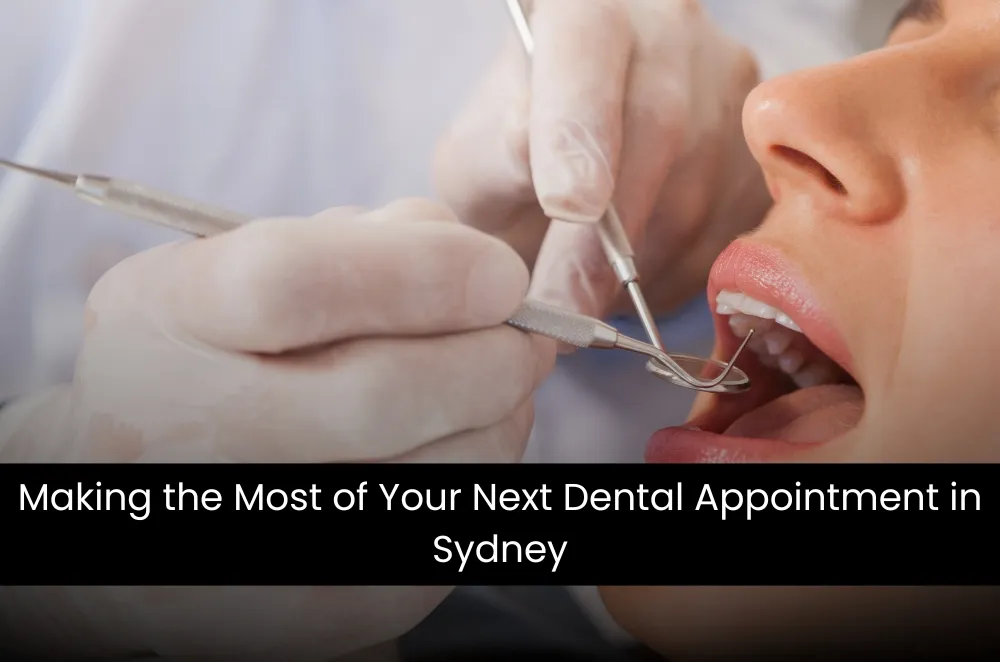
Sydney traffic, last-minute meetings, kids’ sport—there’s no shortage of reasons to shuffle the dentist to next month’s calendar. Trouble is, small issues rarely wait politely. They grow, and the fix that could have taken half an hour suddenly competes with a week’s grocery spend. Many locals avoid that spiral by simply booking a dental appointment before a minor niggle turns into pulpitis or a fractured filling.
Preventive Care Pays Off
Dentistry isn’t just drill-and-fill. A routine six-monthly visit lets the clinician spot early enamel changes, check gum health, and remove stubborn plaque that brushing misses. Once tartar hardens, a toothbrush can’t budge it. Left alone, that buildup irritates gums, then bone, then causes mobility that no whitening kit will hide.
Beyond clinical benefits, preventative scheduling smooths the household budget. A quick scale-and-clean sits firmly in the “predictable expense” column, while late-stage decay drags in X-rays, potential root canal therapy, sometimes a crown. That jump isn’t cosmetic—it’s hundreds of dollars and extra chair time that busy professionals can’t easily spare.
Small Habits, Big Returns
No dentist can out-polish daily neglect, yet a few micro- habits stretch the time between fillings:
- Swap the post-lunch mints for sugar-free xylitol gum; it boosts saliva flow and neutralises acids.
- Keep a travel brush in the desk drawer. Two minutes after your 3 pm flat white halts bacteria feasting until dinner.
- Use a soft brush. Scrubbing with medium or hard bristles scratches enamel and pushes gums back, exposing sensitive root surfaces that decay faster.
Those tweaks aren’t gimmicks—they tackle the bacteria–acid– enamel cycle at the source. Add floss or interdental brushes three nights a week and you’ll notice less morning fuzz and fewer bleeding spots within a fortnight.
Routine Check-Up or Emergency Visit?
Life still throws curveballs. A cracked olive pit, an unexpected contact-sport collision, or simply biting down on a popcorn kernel that hits the wrong angle: suddenly it’s not preventive theory but acute pain. The table below outlines how different appointment types stack up.
| Visit Type | Typical Time Needed | Usual Focus | Potential Cost Implications |
|---|---|---|---|
| Routine six-monthly check | 30–45 min | Cleaning, early decay detection | Lower, preventive scale |
| Issue-based appointment | 30–60 min | Localised pain, chip, lost filling | Moderate; may need X-rays or a small restoration |
| Emergency treatment | 60 min+ | Acute pain, swelling, trauma | Highest; possible root canal, extraction, or after-hours fee |
Scanning that matrix, it’s clear why many families keep a “just-book-it” rule for regular visits. They’d rather read magazines in the waiting room than chase prescriptions at 2 am.
If you’re weighing up timings, this rundown of helpful appointment pointers covers pre-visit prep, rebates, and what to expect from modern chairside tech. It’s written for first-time patients but seasoned attendees pick up a tip or two as well.
Timing Your Next Appointment
Six months is a popular benchmark, yet biology isn’t uniform. Clients with excellent home care and no risk factors sometimes stretch to nine months; smokers, diabetics, orthodontic patients, and anyone with a history of gum disease often benefit from a shorter three- or four-month cycle. Saliva flow, diet, medication, and even stress levels change oral pH, nudging decay odds up or down.
A practical way to decide is to ask your hygienist for a personalised recall interval. They’ll weigh plaque scores, bleeding indices, and radiograph results rather than rely on a blanket schedule. Keep those intervals consistent; skipping the “quick” visit usually backfires when small lesions breach dentine and demand in-depth repair.
Health Policy and Evidence
Current guidance from the Australian Dental Association stresses that regular professional reviews remain the gold standard for preventing tooth loss and systemic complications linked to untreated oral disease. Emerging studies continue to tie periodontal inflammation to cardiovascular concerns, diabetes control, and even adverse pregnancy outcomes. While cause and effect still unfold under the microscope, the correlation alone justifies early, low-stress interventions.
Healthy Mouth, Confident Smile
The quiet truth is that dentistry done early feels almost mundane: no anaesthetic, minimal drills, zero stress. Leave it too long and suddenly the soundtrack changes to late-night Google searches and a thumping jaw. Whether you’re chasing fresh breath for client meetings or simply want the kids to see check-ups as routine, regular preventive care wins every comparison. A short slot on the calendar now saves both time and unnecessary cost later, keeping your schedule—and your smile—right on track.
























Sign in to leave a comment.