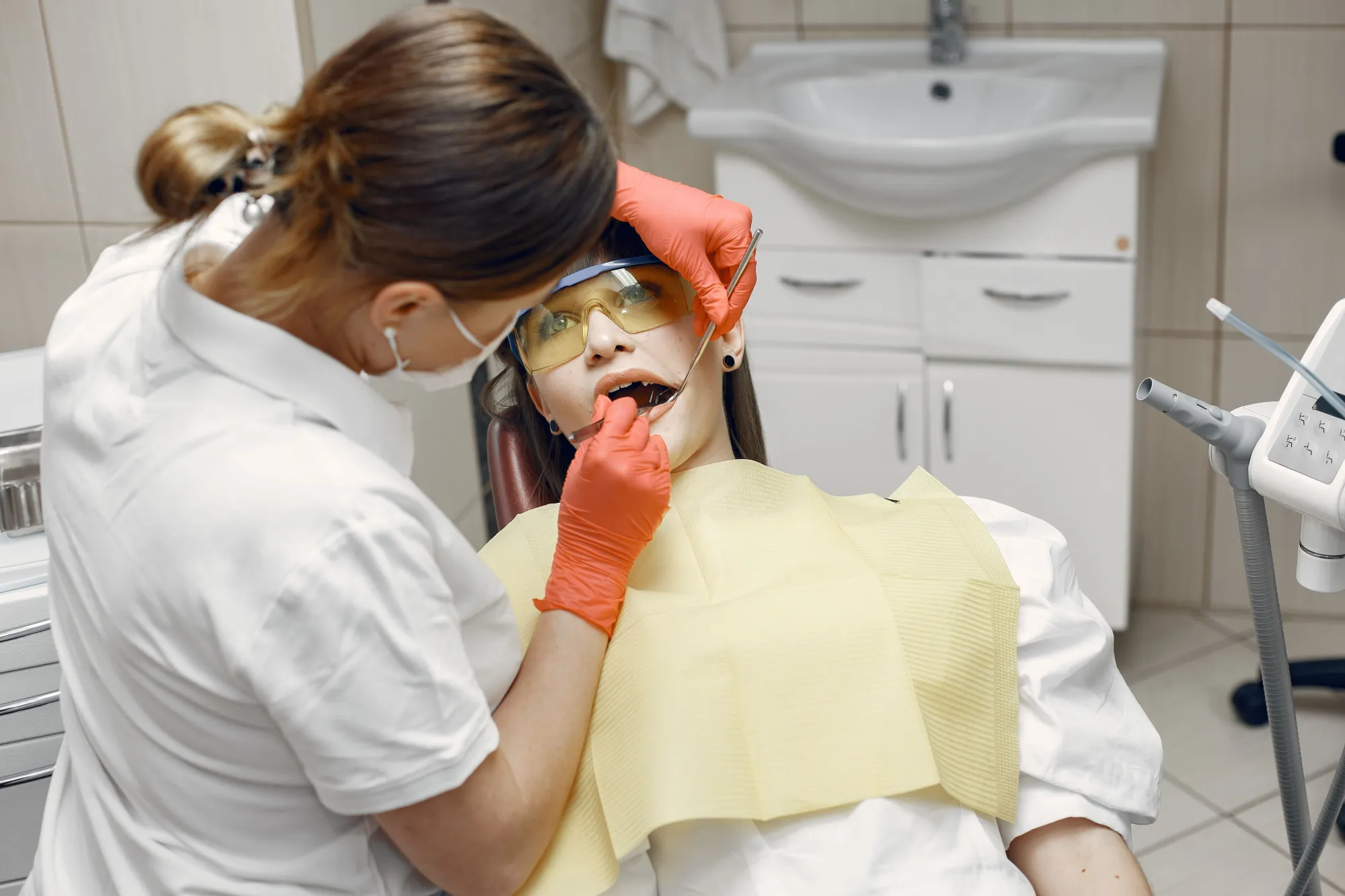

Regular dental visits are an important part of maintaining healthy teeth, gums and overall oral wellbeing. Many dental concerns can develop gradually without causing obvious discomfort, which makes routine professional assessments valuable for identifying changes at an earlier stage. A dental appointment can provide an opportunity to examine the mouth, discuss concerns and receive suitable advice based on individual needs. For local residents, dentists orpington can provide ongoing professional support that complements everyday brushing, interdental cleaning and sensible lifestyle choices while helping individuals maintain their oral health over time.
Understanding the Purpose of Regular Dental Visits
Routine dental appointments are not only intended to address problems that are already causing discomfort. They also support preventive care by allowing dental professionals to monitor the condition of the teeth, gums and mouth. During an examination, changes such as tooth decay, gum problems, tooth wear or concerns affecting existing dental work may be identified. Professional assessments can therefore provide useful information about current oral health and help individuals understand which areas may require greater attention. Regular monitoring can also make it easier to recognise changes before they become more difficult to manage.
Supporting Preventive Care
Preventive dental care focuses on reducing the likelihood of avoidable oral health problems. Regular examinations can help individuals understand their current dental needs while providing opportunities to discuss brushing, interdental cleaning, diet and other relevant habits. The appropriate interval between appointments varies according to individual circumstances, as some people may require more frequent monitoring than others. A dental professional can recommend a suitable recall schedule based on oral health and risk factors. This personalised approach means routine care can be adapted rather than following the same appointment pattern for every individual.
What Happens During a Dental Examination
A dental examination generally involves an assessment of the teeth, gums and mouth, together with questions about symptoms or changes since the previous appointment. Existing fillings, crowns, bridges or other dental work may also be reviewed when relevant. Dental X rays can be considered when clinically indicated to assess areas that cannot be fully examined visually. The findings can then be explained clearly, allowing the patient to understand their current oral health. A suitable plan can be discussed if further monitoring, preventive care or treatment is considered necessary.
Discussing Individual Concerns
Dental appointments provide an opportunity for individuals to raise concerns that may otherwise be overlooked. Sensitivity, occasional discomfort, bleeding gums, changes in the appearance of teeth or concerns about existing dental work can all be discussed with a dental professional. Sharing accurate information about symptoms can help the dentist understand what may require closer attention. Even when a concern seems minor, discussing it can provide reassurance or indicate whether further assessment would be appropriate. Open communication also allows professional advice to be tailored more closely to the individual's circumstances and oral health needs.
The Role of Dentists in Early Detection
One of the important roles of a dentist is identifying potential dental problems before they become more advanced. Some conditions may not produce noticeable symptoms during their early stages, meaning an individual may not realise that a concern is developing. Regular examinations allow the mouth to be assessed systematically and changes to be monitored over time. When an issue is identified, the dentist can explain the available options and discuss appropriate next steps. Early attention may help prevent certain problems from becoming more complex and can support the preservation of healthy natural teeth.
Monitoring Changes Over Time
Oral health can change as individuals age or experience changes in lifestyle, diet and existing dental conditions. Regular visits provide a continuous record of these changes, helping dental professionals identify patterns that may require attention. Monitoring can be particularly useful for individuals with previous dental treatment, gum concerns, restorations or increased risk of tooth decay. Rather than considering each appointment separately, ongoing dental care allows information from previous examinations to inform future recommendations. This continuity can support more considered decision making and help individuals maintain suitable oral health routines.
Maintaining Healthy Gums
Healthy gums are an important part of maintaining a strong and comfortable mouth. Plaque can accumulate around the gumline and between teeth, potentially contributing to inflammation when it is not effectively controlled. Regular brushing and interdental cleaning can help manage plaque at home, while professional examinations can provide additional monitoring. Hygiene appointments may also be recommended when professional removal of plaque and tartar is appropriate. Combining home care with professional support can help individuals understand their gum health and take practical steps towards maintaining healthier tissues around the teeth.
Recognising Gum Health Changes
Changes such as persistent bleeding, swelling, redness or tenderness around the gums should be discussed with a dental professional rather than ignored. These signs can have different causes, and professional assessment is important for understanding what may be contributing to them. A dentist or hygienist can review the affected areas and provide guidance on suitable cleaning techniques. Individuals may also benefit from learning how to clean difficult areas more effectively. Addressing gum concerns promptly can support better oral hygiene and may reduce the likelihood of problems progressing without appropriate attention.
Supporting Daily Oral Hygiene
Regular dental visits work alongside daily oral hygiene rather than replacing it. Brushing twice a day with fluoride toothpaste and cleaning between the teeth are important parts of a consistent home routine. Individuals can also support their oral health by limiting frequent sugary foods and drinks and choosing water where appropriate. During appointments, dental professionals can review these habits and offer personalised advice. Guidance can be particularly useful when an individual is unsure about brushing technique or struggles to clean certain areas. Small improvements can contribute to more effective everyday oral care.
Improving Brushing Techniques
Effective brushing involves reaching the accessible surfaces of the teeth while also paying attention to the gumline. Excessive pressure is unnecessary and may cause discomfort or contribute to irritation. A dental professional can demonstrate suitable techniques and identify areas that may be regularly missed. Individuals who experience sensitivity may also benefit from discussing their brushing routine during an appointment. Reviewing everyday habits can help patients make practical improvements without creating an unnecessarily complicated routine. Consistency remains important because regular plaque removal supports healthier teeth and gums between professional visits.
The Importance of Dental Hygiene Appointments
Dental hygiene appointments can provide additional support for individuals who find it difficult to remove plaque and tartar through home cleaning alone. Professional hygiene care can help remove deposits from areas that may be difficult to reach with ordinary brushing. These appointments can also include advice about cleaning between the teeth and maintaining suitable oral hygiene habits. The frequency of hygiene visits varies according to individual needs, so a dental professional can recommend an appropriate schedule. Professional hygiene care is most effective when combined with consistent cleaning at home.
Complementing Home Care
Professional cleaning should be viewed as a complement to daily oral hygiene rather than a replacement for it. Individuals still need to brush and clean between their teeth regularly to manage plaque accumulation between appointments. Hygiene visits can provide an opportunity to review the effectiveness of these habits and receive practical recommendations. A professional may identify areas where plaque repeatedly gathers and explain how those areas can be cleaned more effectively. This combination of professional support and consistent home care can create a stronger foundation for maintaining healthier teeth and gums.
Dental Visits for Different Age Groups
The need for dental care continues throughout life, although individual requirements can change with age. Children may need encouragement and supervision while developing effective brushing habits. Adults may require monitoring of existing dental work, gum health, tooth wear or changes in sensitivity. Older individuals may experience additional concerns related to dry mouth, restorations or changes in oral tissues. Regular dental assessments allow care to be adapted according to these changing needs. A personalised approach can help individuals maintain appropriate routines while addressing concerns that may arise during different stages of life.
Encouraging Children to Attend
Positive dental experiences during childhood can help establish healthy attitudes towards professional care. Parents and carers can encourage children to view appointments as a normal part of maintaining their health. Regular visits can also provide opportunities for dental professionals to monitor developing teeth and reinforce effective brushing habits. Children may benefit from simple explanations that make dental care easier to understand. Establishing consistent routines early can support better oral hygiene as children grow. Family involvement can therefore play an important role in helping younger individuals develop habits that may continue into adulthood.
Managing Dental Anxiety
Some individuals may feel nervous about visiting a dentist, particularly if they have experienced discomfort or uncertainty during previous appointments. Avoiding dental care can make it harder to monitor oral health and may allow developing problems to remain untreated. Communicating concerns with the dental team can help patients understand what will happen during an appointment. Clear explanations and a calm approach may make visits feel more manageable. Patients can also discuss areas of concern before treatment begins. Building familiarity through regular visits may gradually help reduce uncertainty and improve confidence in professional dental care.
Building Patient Confidence
Trust can develop when patients feel listened to and understand the reasons behind professional recommendations. Dentists can support this process by explaining examination findings and discussing suitable options clearly. Patients should feel comfortable asking questions about their oral health and any proposed treatment. This communication can make dental decisions feel more manageable and encourage individuals to participate actively in their care. Over time, regular appointments can become a familiar part of maintaining wellbeing. A positive relationship with the dental team may also make it easier for patients to seek advice when new concerns arise.
Responding to Dental Symptoms
Routine appointments are important, but individuals should not necessarily wait for their next scheduled visit when significant symptoms develop. Persistent pain, swelling, bleeding, damaged teeth or other noticeable changes may require earlier professional assessment. Seeking advice can help determine whether the problem requires urgent attention or routine monitoring. NHS guidance also recommends contacting a dental service when problems arise between regular check ups. Prompt communication can reduce uncertainty and help individuals understand the appropriate next step rather than relying on temporary measures alone.
Understanding Urgent Concerns
Sudden or severe dental problems may require prompt attention, particularly when accompanied by significant pain, bleeding or damage to a tooth. Individuals should seek appropriate dental advice rather than attempting to manage serious symptoms without assessment. For urgent dental concerns outside normal arrangements, NHS guidance advises contacting the usual dental service or NHS 111 for information about emergency care. Understanding where to seek help can make it easier to respond appropriately when unexpected problems occur.
Making Informed Treatment Decisions
A regular dental examination can provide information that helps individuals understand whether treatment is necessary and what options may be available. Dentists can explain findings, discuss potential approaches and answer questions before a patient decides how to proceed. This process allows individuals to consider their circumstances rather than making decisions based solely on symptoms. Clear communication can also help patients understand the importance of preventive care. When treatment is recommended, discussing the purpose and expected process can provide greater clarity and encourage informed participation in dental care.
Understanding Personalised Recommendations
Dental recommendations should reflect the individual's oral health rather than relying on a single approach for everyone. Factors such as existing restorations, gum health, previous dental problems and daily habits can influence the advice provided. Regular examinations give dental professionals the opportunity to consider these factors together. A personalised recommendation may involve changes to home care, additional monitoring, hygiene support or treatment where appropriate. Understanding why a recommendation has been made can help patients follow advice more confidently and maintain habits that are relevant to their specific circumstances.
Maintaining Oral Health Between Appointments
The time between dental appointments is an important opportunity to maintain the progress achieved through professional care. Individuals can support their teeth and gums by brushing consistently, cleaning between the teeth and making sensible dietary choices. Avoiding frequent sugary snacks and drinks can also support efforts to reduce the risk of tooth decay. Patients should remain attentive to changes in their mouth and seek advice if concerns develop. Consistent self care can make a meaningful contribution to oral health and helps ensure that professional visits form part of a wider routine.
Developing Sustainable Habits
A dental routine is more likely to be maintained when it fits naturally into everyday life. Brushing at consistent times and cleaning between the teeth can become familiar habits when repeated regularly. Individuals should also follow any personalised recommendations provided by their dental team. Making small, manageable improvements may be more sustainable than attempting major changes all at once. Over time, these habits can provide ongoing support for oral health. Regular dental visits then provide an opportunity to review progress and make adjustments when individual needs change.
Choosing Regular Dental Care
Choosing to attend regular dental appointments demonstrates a proactive approach to oral health. Professional assessments can provide reassurance when teeth and gums remain healthy while also identifying areas that may require attention. Local dental services can offer different forms of support, including routine examinations, hygiene care and treatment planning. The appropriate combination depends on each individual's circumstances. Establishing a reliable pattern of dental care can make it easier to monitor oral health throughout life. Consistency also encourages individuals to address concerns earlier rather than waiting until symptoms become difficult to manage.
Building a Long Term Care Routine
A long term dental care routine should combine professional assessments with effective home habits. Individuals can work with their dental team to establish suitable appointment intervals and identify any additional preventive support that may be useful. This approach can change as oral health needs develop. Regular communication allows patients to discuss new concerns and adjust their routines when necessary. Maintaining this relationship with dental professionals can support continuity of care and encourage greater awareness of oral health. A considered routine can therefore contribute to healthier teeth, gums and overall dental wellbeing.
Final Thoughts
Regular dental visits play an important role in monitoring oral health, supporting prevention and identifying changes that may require attention. Daily brushing, interdental cleaning, sensible dietary choices and professional hygiene support can work alongside routine examinations to maintain healthier teeth and gums. Appointment frequency should reflect individual needs rather than following a fixed schedule for everyone. For individuals seeking ongoing professional support, The DenCare Clinic can contribute to a considered approach to regular examinations, preventive guidance and long term oral health care.


























Sign in to leave a comment.