

Ever found yourself 40 feet underwater, relying on your gear while the world around you is silent? It's just you and the bubbles. Scuba diving, while thrilling, demands trust in your equipment, especially the regulator. This piece of gear is your lifeline. Now, imagine it malfunctions. Scary, right? That's why learning to service diving regulators is crucial for any scuba professional. ASSET Technical Training provides top-notch regulator service training that not only sharpens skills but also boosts confidence underwater.
I remember my first dive with a group of seasoned divers. Their ease in the water amazed me. But I soon learned that their confidence came from more than just experience—it was about knowing their gear inside out. That's where ASSET Technical Training comes in. They offer courses that teach you to maintain your gear, ensuring it works flawlessly every time. Let's explore why this training is vital and how it can make a difference in your diving career.
Key Takeaways
- Regulator service training is essential for safety and reliability.
- ASSET Technical Training provides comprehensive courses for scuba professionals.
Proper training can enhance your diving career and personal confidence.
Why Regulator Service Training Matters
So, why should you care about regulator service training? Simple. It's about safety and reliability. A well-maintained regulator can be the difference between a smooth dive and a dangerous situation. According to the Divers Alert Network, 20% of diving incidents involve equipment issues. That's a substantial number. Proper training reduces these risks significantly.
Take Sarah, a seasoned diver who once experienced a regulator failure. She was 30 meters deep when it happened. Luckily, she had the skills to manage the situation, thanks to her training at ASSET. This incident highlights the importance of knowing your gear and being prepared for the unexpected. ASSET Technical Training's courses are designed to equip you with the knowledge to prevent such incidents.
Here's a quick checklist of what good training covers:
- Understanding regulator mechanics.
- Performing routine maintenance and checks.
- Troubleshooting common issues.
Recognizing signs of wear and tear.
Deep Dive: Understanding Regulator Mechanics
Now, let's get into the nitty-gritty. A scuba regulator is more than just a fancy hose. It reduces high-pressure air from your tank to breathable pressure. This process involves several parts: the first stage, second stage, hoses, and mouthpiece. Each component plays a critical role in delivering air safely.
Here's the kicker: understanding these parts isn't just for tech geeks. It's for anyone serious about diving safely. ASSET Technical Training breaks down these mechanics into bite-sized, understandable lessons. They use real-world scenarios to teach you how each part functions and what to do if something goes wrong.
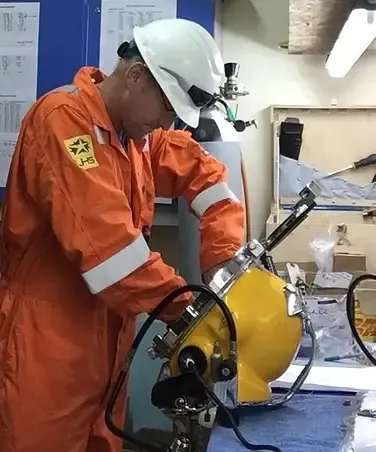
Consider this: during training, you'll learn how to disassemble and reassemble your regulator. Sounds daunting? It’s surprisingly straightforward with the right guidance. Plus, knowing your gear inside out can save you from potential mishaps underwater.
Statistical Insight: Equipment Failures
A study by the Diving Science and Technology Corp found that 15% of divers experienced equipment issues at some point. Most of these problems were preventable with proper maintenance and knowledge. ASSET's training focuses on reducing this statistic. They aim to turn every diver into their own equipment expert.
Here’s an actionable checklist for understanding your regulator better:
- Learn the function of each regulator component.
- Practice disassembly and reassembly under supervision.
- Identify and replace worn parts regularly.
Perform pre-dive equipment checks consistently.
ASSET Technical Training: A Comprehensive Overview
ASSET Technical Training isn't just another diving school. They specialize in technical skills that elevate your diving to a professional level. Located globally, their courses attract divers from all over the world. They offer hands-on training with expert instructors who have years of experience.
Think about it: having access to such skilled professionals is invaluable. They don’t just teach; they mentor. You gain insights that aren't available in textbooks. ASSET's approach combines theory with practical application, ensuring you walk away with a deep understanding and confidence in your skills.
The training includes:
- Detailed courses on regulator mechanics and maintenance.
- Hands-on workshops with real-world scenarios.
- Access to a network of professionals and resources.
Certification upon completion, enhancing career opportunities.
Case Study: Diver's Career Boost
Meet John, a diver who started as a hobbyist. He attended ASSET's training and became a certified regulator technician. This certification opened doors to work in dive shops and on liveaboards. John's story is a testament to how technical training can transform a passion into a thriving career.
Choosing the Right Training Course
Here's the tricky part: picking the right course. Not all training programs are created equal. You need one that suits your needs and experience level. ASSET offers various courses, from beginner to advanced, tailored to different skill levels.
When choosing a course, consider these factors:
- Your current skill level and experience.
- The depth and breadth of the curriculum.
- Instructor qualifications and experience.
- Opportunities for hands-on learning.
- Post-course support and resources.
ASSET's courses stand out because they offer flexibility and personalized learning paths. Whether you're new to diving or a seasoned pro, there's a course for you. Plus, their instructors are highly qualified, ensuring you get the best education possible.
Insider Tip: Networking Opportunities
One of the perks of ASSET training is networking. You meet like-minded professionals, share experiences, and learn from each other. This community aspect is invaluable, especially when you're building a career in scuba diving.
Actionable Checklist for Successful Training
Ready to start your training journey? Here’s a checklist to help you prepare and succeed in your courses:
- Research different courses and choose one that fits your goals.
- Prepare mentally and physically for intensive learning.
- Ensure you have the necessary diving certifications and experience.
- Gather your gear and familiarize yourself with it before training.
- Stay open-minded and ready to learn from peers and instructors.
Here's another tip: don't rush the learning process. Absorb as much as you can and practice regularly. Training is an investment in your safety and career. Take it seriously, and you'll reap the rewards.
Frequently Asked Questions
What is regulator service training?
Regulator service training teaches you how to maintain and repair scuba regulators. It's essential for safety and ensuring your equipment functions correctly.
Why choose ASSET Technical Training?
ASSET offers comprehensive courses with experienced instructors. They focus on practical skills and offer a global network of resources and support.
How long does the training take?
The duration varies based on the course level. Typically, courses range from a few days to several weeks, depending on depth and complexity.
Can I take courses online?
ASSET primarily focuses on hands-on training. Some theoretical components may be available online, but practical skills require in-person attendance.
What are the prerequisites for joining?
You need basic diving certifications and experience. Specific courses may have additional requirements, so check the details before enrolling.
So, are you ready to take the plunge? Share your thoughts on how regulator service training has impacted your diving. Have you tried any of these techniques? Let me know!




















Sign in to leave a comment.