


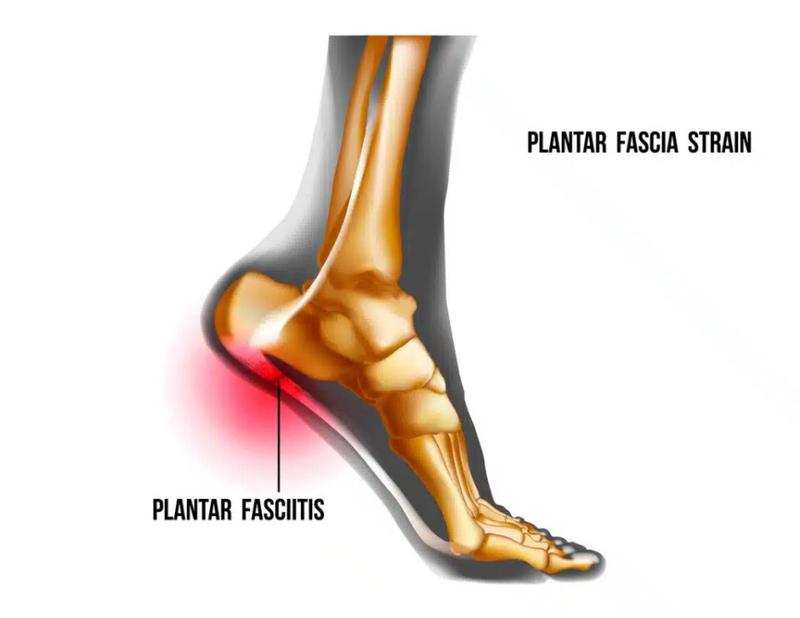
Plantar heel pain, often associated with a condition known as plantar fasciitis, affects millions of people each year. Whether you're an athlete, a busy professional, or simply someone who enjoys daily walks, the sudden sting of pain in the bottom of your foot can be frustrating and disruptive. Fortunately, a combination of targeted massage and thoughtful exercise can play a powerful role in reducing pain and promoting long-term relief.
In this post, we’ll explore how these two approaches—massage and exercise—work together to help manage and relieve plantar heel pain. We’ll also look at practical techniques that are easy to try at home.
Understanding Plantar Heel Pain
Plantar heel pain is most commonly caused by irritation or inflammation of the plantar fascia—a thick band of tissue that runs along the bottom of the foot, connecting the heel bone to the toes. This tissue helps absorb shock and supports the arch of the foot. Overuse, poor footwear, tight calf muscles, or changes in activity levels can cause the fascia to become overstressed and irritated.
Symptoms often include sharp pain near the heel when taking the first steps in the morning, after long periods of sitting, or after intense activity.
How Massage Helps
Massage therapy can be a gentle and effective way to ease the tension in the plantar fascia and surrounding muscles. It works by improving circulation, breaking down adhesions (knots in the soft tissue), and relaxing tight muscles that might be contributing to the problem.
Some commonly used massage techniques for plantar heel pain include:
- Thumb or finger kneading: Applying pressure with the thumbs along the arch of the foot helps stretch and loosen the fascia.
- Cross-fiber friction: Gently rubbing across the fibers of the plantar fascia can help reduce stiffness and improve mobility.
- Rolling massage: Using a massage ball or a frozen water bottle under the foot to roll back and forth can reduce inflammation and relieve tension.
Consistency is key. Short daily sessions—about 5 to 10 minutes—can help maintain flexibility and manage discomfort over time.
The Role of Exercise
While massage addresses soft tissue tension and circulation, exercise helps strengthen the muscles that support the foot and improve mobility throughout the leg. Together, they address both symptoms and root causes.
Key exercises for plantar heel pain include:
- Calf stretches: Tight calves can place extra strain on the plantar fascia. Stretching the calf muscles against a wall or using a towel pull can relieve this pressure.
- Toe towel curls: Placing a towel on the floor and using your toes to scrunch it up helps strengthen the small muscles in the foot.
- Heel raises: Standing on the edge of a step and raising and lowering the heels improves strength and flexibility in the lower leg and foot.
- Foot arch exercises: Pressing the big toe into the ground while lifting the arch (known as a short foot exercise) can help improve foot posture and support.
Performing these exercises regularly—often twice daily—can help promote healing, prevent recurrence, and improve overall foot health.
Integrating Massage and Exercise
One of the most effective approaches to managing plantar heel pain is to integrate massage and exercise into a daily or weekly routine. For instance, you might begin with gentle massage in the morning to loosen the fascia before stretching, and again at night to relax the tissues after being on your feet.
It's also important to wear supportive footwear, avoid walking barefoot on hard surfaces, and gradually increase activity levels rather than jumping back into intense exercise after a period of rest.
Conclusion: A Holistic Approach to Healing
Managing plantar heel pain isn't about choosing between massage or exercise—it's about using both to address the condition from multiple angles. Massage can reduce immediate discomfort and increase tissue flexibility, while exercise strengthens and supports the structures that keep you moving.
For those looking to try a home-based solution, incorporating a few minutes of stretching and gentle plantar fasciitis massage each day may lead to meaningful improvement over time.
If you're struggling with foot pain, start by introducing one or two techniques from this post and build from there. With patience and consistency, relief is well within reach.
Ready to take the first step toward pain-free movement? Try one of these massage or exercise techniques today and see how your feet respond.