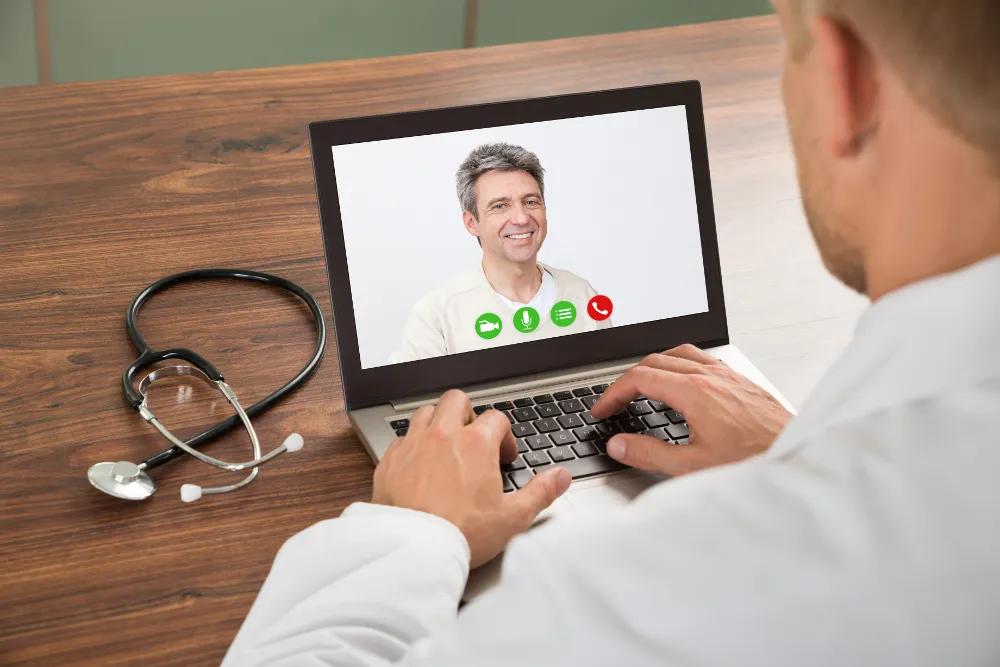

The remote patient monitoring market hindrances reflect the practical issues that can slow the adoption and expansion of connected healthcare solutions. Remote patient monitoring has changed how healthcare providers can observe patients outside hospitals and clinics, but successful implementation depends on more than connected devices. Technology limitations, patient engagement, infrastructure gaps, data security, cost pressures, and healthcare integration can all influence the pace of adoption.

Limited Digital Familiarity
One of the key hindrances is the varying level of digital familiarity among patients. Remote monitoring often requires individuals to use connected devices, mobile applications, digital dashboards, or online communication tools. While these technologies may seem straightforward to experienced users, they can be challenging for older adults or people with limited digital skills.
Simple interfaces, clear instructions, and accessible technical support can help reduce this difficulty. When patients feel comfortable using monitoring equipment, they are more likely to participate consistently.
Device Usability and Reliability
Remote monitoring devices need to work accurately and consistently. Issues such as complicated setup, battery limitations, connectivity failures, uncomfortable wearables, or confusing interfaces can negatively affect the patient experience.
Healthcare providers also depend on reliable measurements when making decisions. If devices produce inconsistent readings or frequently disconnect, confidence in remote monitoring may decline. Improving device design and reliability is therefore important for long-term adoption.
Connectivity Gaps
Remote patient monitoring depends heavily on digital connectivity. Patients living in areas with weak internet coverage may have difficulty transmitting health information regularly. Some individuals may also lack smartphones, compatible devices, or affordable internet services.
These connectivity gaps can create unequal access to remote healthcare. Expanding digital infrastructure and supporting flexible connectivity options can help make remote monitoring more practical for a wider range of patients.
Data Security and Privacy Concerns
Healthcare information is highly personal, making privacy and security major considerations. Remote monitoring involves collecting and transmitting sensitive health information through connected devices and digital platforms.
Patients may hesitate to participate if they are uncertain about how their information is collected, stored, or shared. Healthcare organizations must therefore prioritize strong security practices and transparent communication. Building trust can make patients more comfortable with connected healthcare technologies.
Integration With Clinical Workflows
Another important hindrance is the difficulty of integrating remote monitoring into existing healthcare systems. Providers already use electronic health records, clinical applications, communication platforms, and other digital tools.
If remote monitoring creates a separate workflow, healthcare professionals may face additional administrative work. Efficient integration can allow patient readings to become part of routine clinical processes without creating unnecessary complexity.
Increasing Data Volumes
Remote monitoring can produce continuous streams of information. This provides healthcare professionals with greater visibility into patient health but can also create an information-management challenge.
Without appropriate filtering and prioritization, providers may receive more alerts and readings than they can efficiently review. Analytics and automated systems can help identify meaningful changes, allowing healthcare professionals to focus on patients who may need immediate attention.
Patient Engagement Over Time
Initial enthusiasm does not always translate into long-term participation. Patients may stop using devices regularly if monitoring becomes inconvenient or if they do not understand how their measurements contribute to their treatment.
Engagement can improve when patients receive useful feedback and understand the purpose of monitoring. Personalized reminders, easy-to-read results, and communication with healthcare professionals can make the process more valuable.
Financial Considerations
Cost can also hinder adoption. Healthcare organizations may need to invest in monitoring equipment, software platforms, connectivity, training, technical support, and security infrastructure.
Patients may face their own expenses related to devices or internet access. For remote monitoring to become broadly accessible, solutions need to balance advanced capabilities with affordability.
Changing Healthcare Responsibilities
Remote monitoring can change how healthcare teams manage patients. Instead of receiving information only during scheduled appointments, providers may have access to health data throughout the week.
This creates opportunities for earlier intervention but also requires clear responsibilities. Healthcare organizations need processes for reviewing alerts, responding to changes, communicating with patients, and documenting clinical decisions. Without effective workflows, continuous monitoring may increase pressure on already busy healthcare teams.
Building Confidence in Remote Care
Some patients still prefer traditional face-to-face consultations because they value direct interaction with healthcare professionals. Remote monitoring should therefore complement personal care rather than make patients feel disconnected from their providers.
Combining digital monitoring with appropriate human communication can improve confidence. Patients are more likely to embrace remote solutions when they know that a healthcare professional remains involved in their care.
Future Approach to Overcoming Hindrances
The remote patient monitoring market hindrances demonstrate that technology alone cannot guarantee successful adoption. Solutions must address real-world concerns involving usability, affordability, connectivity, privacy, integration, and patient engagement.
Future development is likely to focus on simpler devices, smarter analytics, stronger security, better interoperability, and more personalized monitoring experiences. As healthcare organizations gain experience with remote care, workflows can also become more efficient.
Ultimately, overcoming these hindrances can help remote patient monitoring become a more dependable part of modern healthcare. By combining reliable technology with accessible design and patient-centered support, healthcare providers can create monitoring programs that deliver value both inside and outside traditional clinical settings.


























Sign in to leave a comment.