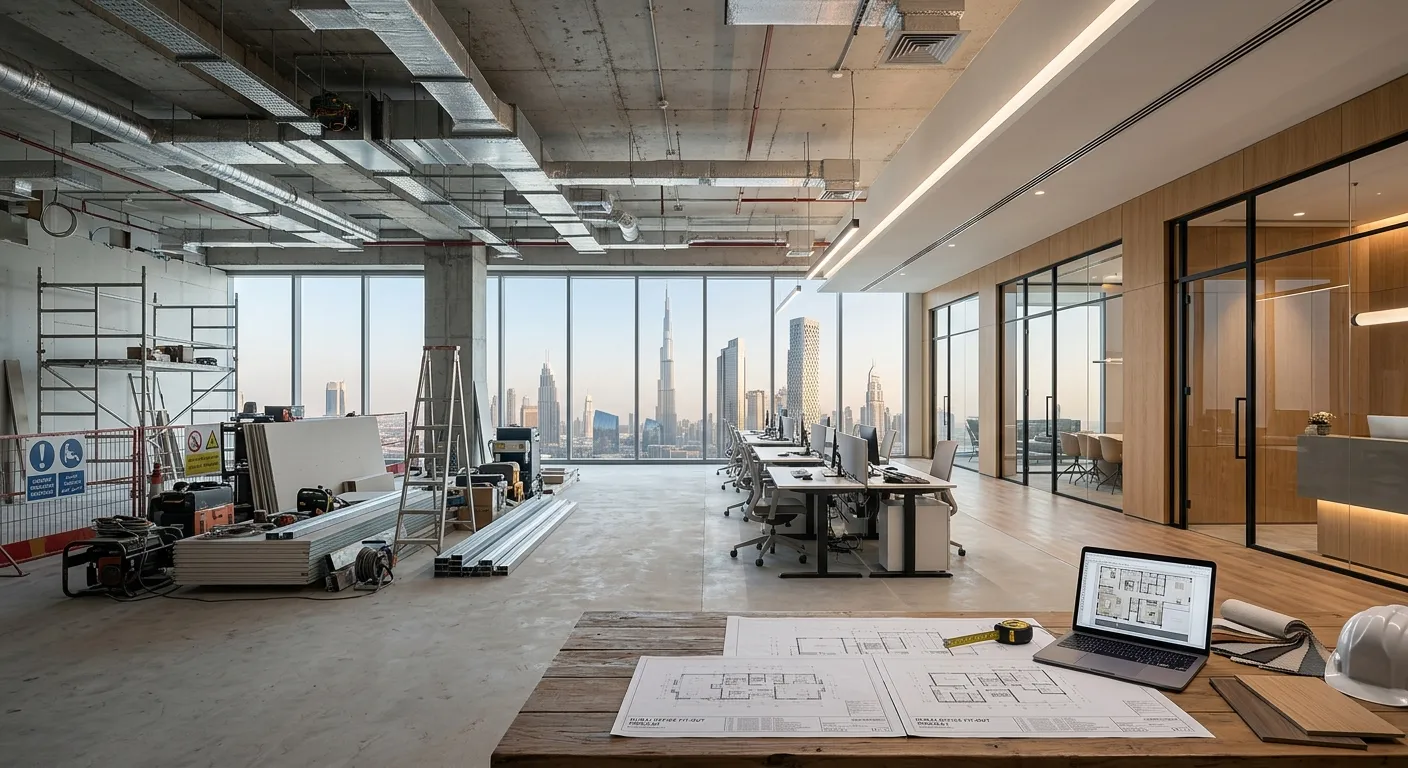
A lot of the renovation conversations we have at Whitemonde don't start with design questions. They start with a much more practical concern: how does the business keep running while the work happens?
This is a fair worry. Renovating an office that's still occupied is a fundamentally different job from fitting out an empty shell, and a lot of fit-out companies treat it the same way anyway, which is exactly how projects end up disrupting a team far more than necessary.
Why occupied renovations need a different approach entirely
An empty floor gives a contractor full access, full flexibility on working hours, and no need to worry about noise, dust, or foot traffic interfering with anyone's day. An occupied floor has none of that freedom. Work has to be sequenced around people actually trying to do their jobs, which means zone-by-zone delivery instead of tearing into the whole space at once.
Phased delivery is the difference-maker
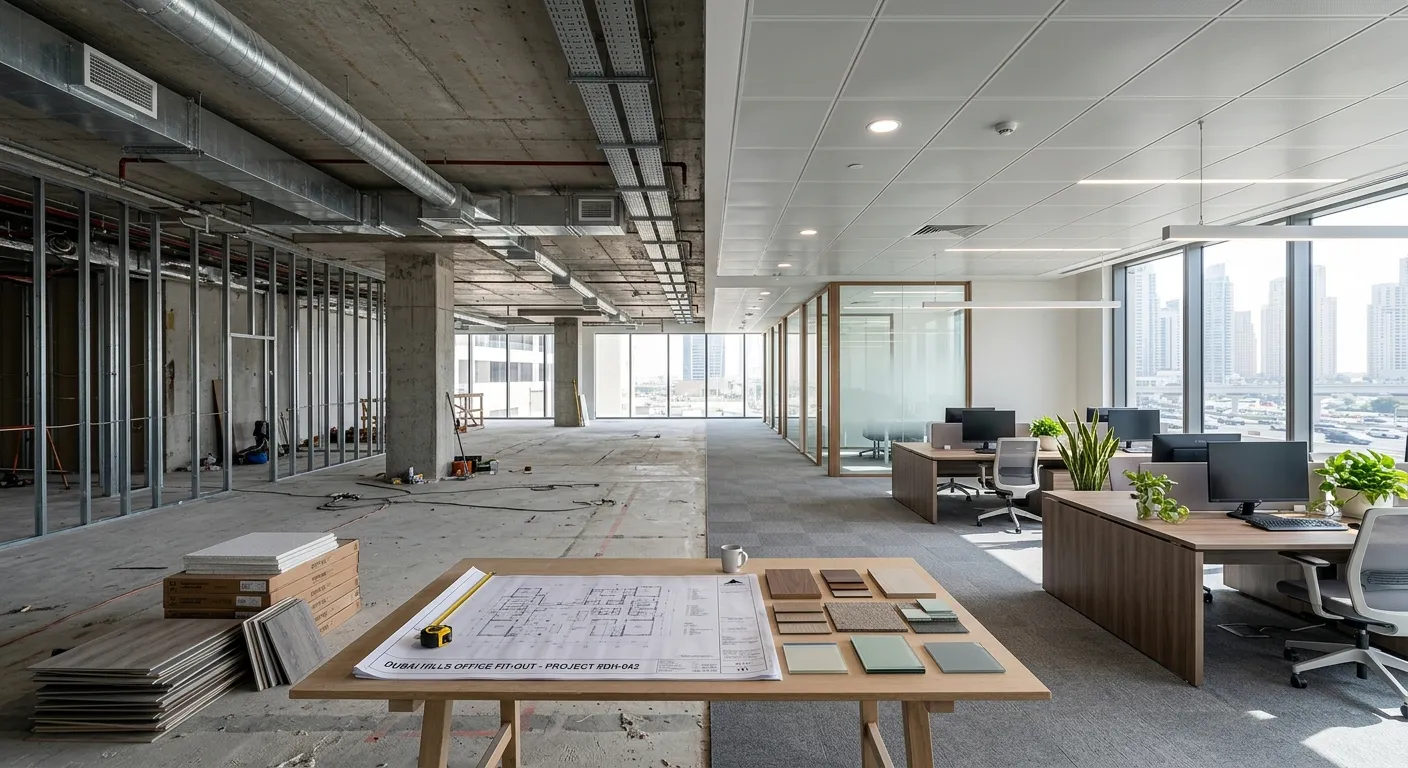
Rather than shutting down an entire floor, a proper office renovation plan breaks the space into sections, renovating one zone while the team continues working from another, then rotating through the rest of the floor. This keeps the business functional throughout rather than forcing a full relocation or extended downtime.
Weekend and after-hours shifts matter more than people expect
Noisy or disruptive work, demolition, major MEP changes, gets scheduled for weekends or after business hours specifically to minimize disruption during the workday. It costs more in labor scheduling, but it's often far cheaper overall than the productivity loss from running loud construction work during peak office hours.
Dust and containment aren't optional details
Proper barriers and containment systems keep dust and debris out of active workspaces, protecting both air quality and equipment like servers, printers, or sensitive electronics that don't handle construction dust well.
Smart solutions get woven in during renovation, not after
Renovations are also a natural point to upgrade smart solutions, lighting, AV, and HVAC systems, since walls and ceilings are already open. Doing this during the renovation avoids a second disruptive project a year later just to add technology upgrades that could've been built in the first time.
Aftercare matters just as much post-renovation
Once the renovation is complete, ongoing aftercare support ensures the space continues performing the way it was designed to, rather than quietly degrading without anyone noticing until something breaks.
The real question to ask a contractor
Before signing with anyone for an occupied renovation, ask specifically how they sequence work around your team, what hours disruptive work happens, and how dust and noise get managed day to day. The answer tells you a lot more about how smoothly the project will actually go than any quote or timeline estimate.
Learn more: https://www.whitemonde.com/























Sign in to leave a comment.